<feed xmlns="http://www.w3.org/2005/Atom"><title>thacoindus&#39;s Ownd</title><link href="https://thacoindus.localinfo.jp"></link><id>https://thacoindus.localinfo.jp</id><author><name>thacoindus</name></author><updated>2026-04-28T16:46:40+00:00</updated><entry><title><![CDATA[Supermarket Shopping Trolley Manufacturers: Essential Partners for Retail Efficiency]]></title><link rel="alternate" href="https://thacoindus.localinfo.jp/posts/58778230/"></link><id>https://thacoindus.localinfo.jp/posts/58778230</id><summary><![CDATA[Why Supermarket Shopping Trolley Manufacturers Matter

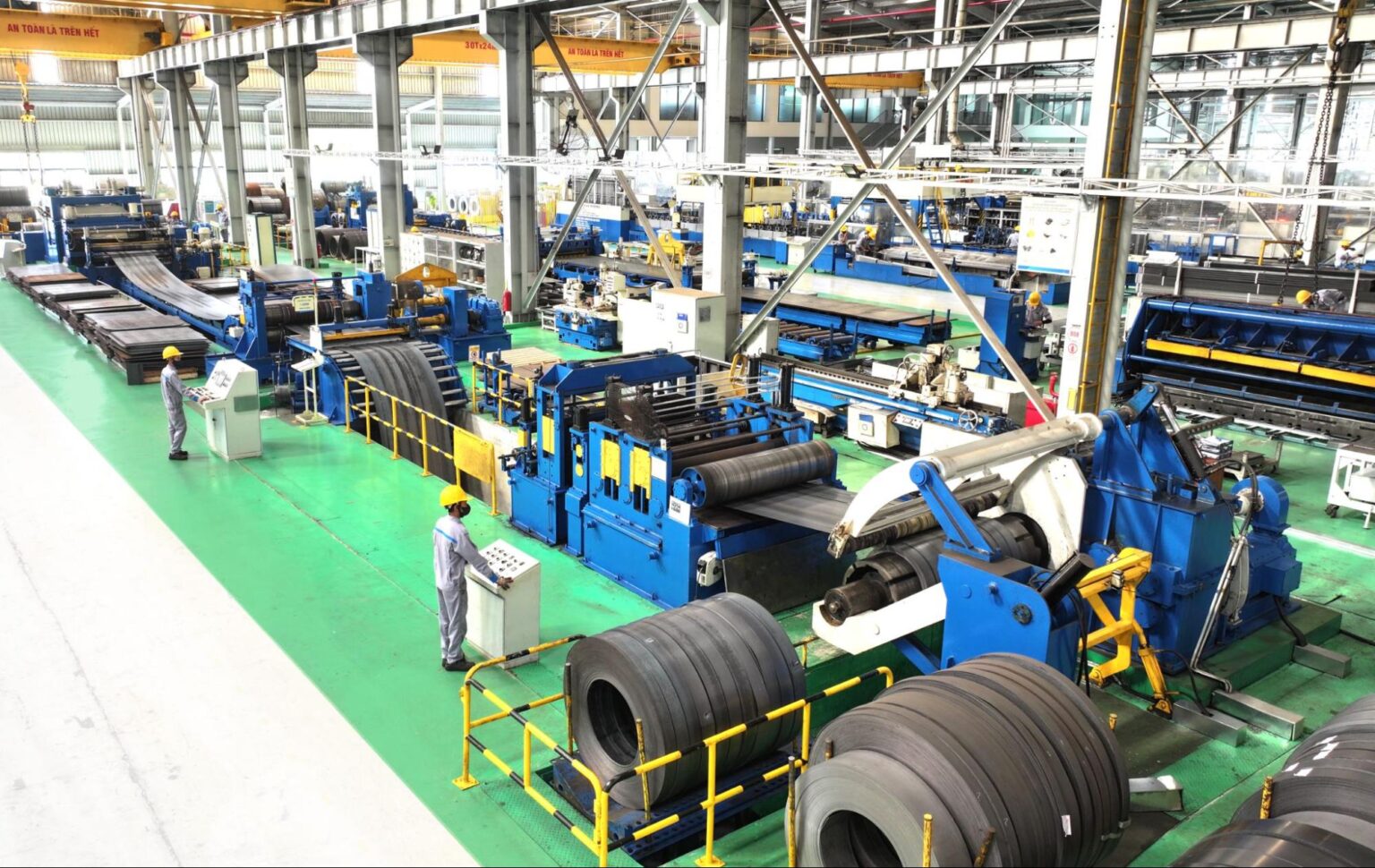
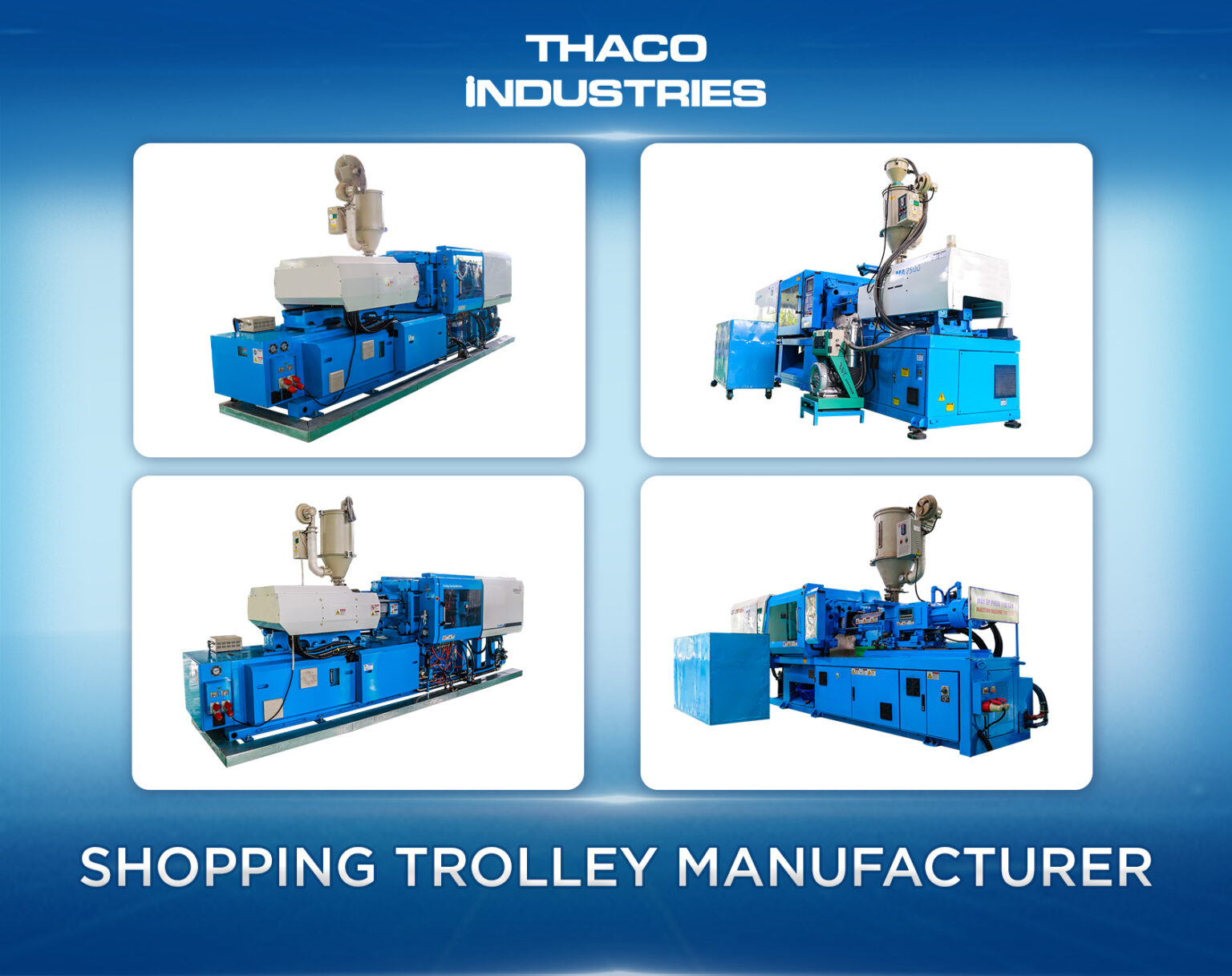
Supermarket shopping trolley manufacturers play a vital role in helping supermarkets, hypermarkets, and retail chains provide a smooth and convenient shopping experience. Shopping trolleys allow customers to carry larger quantities of goods comfortably, which often leads to increased sales and improved customer satisfaction.
See Article Details At: supermarket shopping trolley manufacturers
High-quality trolleys also support better store operations by reducing maintenance costs and ensuring long-term durability in busy retail environments.View At: Efficient Retail Mobility
Products Offered by Supermarket Shopping Trolley Manufacturers
Standard Steel Shopping Trolleys
Professional supermarket shopping trolley manufacturers produce heavy-duty steel trolleys designed for daily supermarket use. These trolleys are built with strong frames, durable wheels, and anti-rust coatings to withstand constant movement and heavy loads.View At: Durable Supermarket Equipment
Their large basket capacity makes them ideal for grocery stores and high-traffic retail spaces.See More At: Lessons Learned from Supermarket Shopping Trolley Manufacturers
Plastic Hybrid Trolleys
Many retailers now prefer hybrid trolleys that combine steel frames with plastic baskets. These models are lighter, quieter, and more resistant to corrosion compared to traditional metal carts.
They also provide a more modern appearance, making them popular in premium supermarkets and shopping centers.
Customized Branded Trolleys
Many supermarket shopping trolley manufacturers offer customized trolley solutions with company logos, brand colors, child seats, and advertising panels. Custom trolleys help strengthen store identity and create a more professional customer experience.
Additional features like coin-lock systems and security wheels can also be added.
How to Choose Reliable Supermarket Shopping Trolley Manufacturers
Product Quality and Safety
A trusted manufacturer uses high-grade steel, strong plastic materials, and precise engineering to ensure customer safety and long-lasting performance. Stable wheels, secure handles, and strong load capacity are key indicators of product quality.
Reliable trolleys reduce repair costs and improve operational efficiency.
Flexible Design and Customization
A dependable supermarket shopping trolley manufacturer should offer different trolley sizes and styles based on store layout and customer needs. Flexible customization improves shopping flow and helps optimize store space.
Strong Production and After-Sales Support
Large supermarket chains require stable supply and fast maintenance services. Manufacturers with strong production capacity and responsive after-sales support help businesses avoid disruptions and maintain smooth daily operations.
Future Trends in Shopping Trolley Manufacturing
The retail industry is moving toward smarter and greener solutions. Eco-friendly materials, silent wheels, ergonomic handles, and lightweight structures are becoming standard features.
Some advanced trolley systems now include digital tracking, smart locking, and customer behavior monitoring technologies.
Conclusion
Working with experienced supermarket shopping trolley manufacturers helps retailers improve customer satisfaction, store efficiency, and long-term business growth. Durable products, customized solutions, and reliable service make the right manufacturer a valuable retail partner.With a vision to become a regional industrial powerhouse, THACO INDUSTRIES continuously invests in research, automation, and international-standard production systems. Its diverse product portfolio and export capabilities make THACO INDUSTRIES a strategic partner for businesses seeking efficiency and long-term industrial growth.
#excavator_bucket_manufacturer, #excavatorbucketmanufacturer, #THACO_INDUSTRIES, #THACOINDUSTRIES, #THACO_INDUSTRIES]]></summary><author><name>thacoindus</name></author><published>2026-04-28T16:46:40+00:00</published><updated>2026-04-28T16:46:41+00:00</updated><content type="html"><![CDATA[<h2>Why Supermarket Shopping Trolley Manufacturers Matter</h2>
<p>
<strong>Supermarket shopping trolley manufacturers</strong> play a vital role in helping supermarkets, hypermarkets, and retail chains provide a smooth and convenient shopping experience. Shopping trolleys allow customers to carry larger quantities of goods comfortably, which often leads to increased sales and improved customer satisfaction.</p><br><img src="https://thacoindustries.com/wp-content/uploads/2026/01/understanding-excavator-buckets-and-their-uses-1536x864.jpg"></br>
See Article Details At: <a href="https://thacoindustries.com/en/shopping-trolley-manufacturer/">supermarket shopping trolley manufacturers</a>
<p>High-quality trolleys also support better store operations by reducing maintenance costs and ensuring long-term durability in busy retail environments.</p><br>View At: <a href="https://zenwriting.net/thacoindusa/efficient-retail-mobility">Efficient Retail Mobility</a></br><br><img src="https://thacoindustries.com/wp-content/uploads/2025/09/defining-contract-manufacturing-services-1536x970.jpg"></br>
<h2>Products Offered by Supermarket Shopping Trolley Manufacturers</h2>
<h3>Standard Steel Shopping Trolleys</h3>
<p>Professional <strong>supermarket shopping trolley manufacturers</strong> produce heavy-duty steel trolleys designed for daily supermarket use. These trolleys are built with strong frames, durable wheels, and anti-rust coatings to withstand constant movement and heavy loads.</p><br>View At: <a href="https://lessons.drawspace.com/post/1067908/durable-supermarket-equipment">Durable Supermarket Equipment</a></br><br><img src="https://thacoindustries.com/wp-content/uploads/2025/09/innovative-contract-manufacturing-solutions-by-thaco-industries-768x512.jpg"></br>
<p>Their large basket capacity makes them ideal for grocery stores and high-traffic retail spaces.</p><br>See More At: <a href="https://www.thepetservicesweb.com/board/add_board_topic/2701171.htm">Lessons Learned from Supermarket Shopping Trolley Manufacturers</a></br>
<h3>Plastic Hybrid Trolleys</h3>
<p>Many retailers now prefer hybrid trolleys that combine steel frames with plastic baskets. These models are lighter, quieter, and more resistant to corrosion compared to traditional metal carts.</p>
<p>They also provide a more modern appearance, making them popular in premium supermarkets and shopping centers.</p>
<h3>Customized Branded Trolleys</h3>
<p>Many <strong>supermarket shopping trolley manufacturers</strong> offer customized trolley solutions with company logos, brand colors, child seats, and advertising panels. Custom trolleys help strengthen store identity and create a more professional customer experience.</p>
<p>Additional features like coin-lock systems and security wheels can also be added.</p>
<h2>How to Choose Reliable Supermarket Shopping Trolley Manufacturers</h2>
<h3>Product Quality and Safety</h3>
<p>A trusted manufacturer uses high-grade steel, strong plastic materials, and precise engineering to ensure customer safety and long-lasting performance. Stable wheels, secure handles, and strong load capacity are key indicators of product quality.</p>
<p>Reliable trolleys reduce repair costs and improve operational efficiency.</p>
<h3>Flexible Design and Customization</h3>
<p>A dependable <strong>supermarket shopping trolley manufacturer</strong> should offer different trolley sizes and styles based on store layout and customer needs. Flexible customization improves shopping flow and helps optimize store space.</p>
<h3>Strong Production and After-Sales Support</h3>
<p>Large supermarket chains require stable supply and fast maintenance services. Manufacturers with strong production capacity and responsive after-sales support help businesses avoid disruptions and maintain smooth daily operations.</p>
<h2>Future Trends in Shopping Trolley Manufacturing</h2>
<p>The retail industry is moving toward smarter and greener solutions. Eco-friendly materials, silent wheels, ergonomic handles, and lightweight structures are becoming standard features.</p>
<p>Some advanced trolley systems now include digital tracking, smart locking, and customer behavior monitoring technologies.</p>
<h2>Conclusion</h2>
<p>Working with experienced <strong>supermarket shopping trolley manufacturers</strong> helps retailers improve customer satisfaction, store efficiency, and long-term business growth. Durable products, customized solutions, and reliable service make the right manufacturer a valuable retail partner.</p><p>With a vision to become a regional industrial powerhouse, <a href="https://thacoindustries.com/en/">THACO INDUSTRIES</a> continuously invests in research, automation, and international-standard production systems. Its diverse product portfolio and export capabilities make THACO INDUSTRIES a strategic partner for businesses seeking efficiency and long-term industrial growth.</p>
#excavator_bucket_manufacturer, #excavatorbucketmanufacturer, #THACO_INDUSTRIES, #THACOINDUSTRIES, #THACO_INDUSTRIES]]></content></entry><entry><title><![CDATA[Pros & Cons of Trailer Component Manufacturing in the Industry]]></title><link rel="alternate" href="https://thacoindus.localinfo.jp/posts/58778222/"></link><id>https://thacoindus.localinfo.jp/posts/58778222</id><summary><![CDATA[In the manufacturing industry, the production of trailer components plays a crucial role in ensuring the safety and durability of transportation systems. This blog post delves into the pros and cons of trailer component manufacturing, providing valuable insights for manufacturers, suppliers, and end-users alike. Understanding these advantages and disadvantages can help stakeholders make informed decisions in a competitive market.
See Article Details At: trailer component manufacturing
Pros: High Demand for Trailer Components
One of the most significant advantages of trailer component manufacturing is the consistent demand for these products. With the transportation sector continuously evolving, the need for reliable and efficient trailers remains strong. This high demand ensures a stable market for manufacturers, allowing them to scale their operations and invest in innovative solutions.View At: High-Quality Trailer Parts

Pros: Technological Advancements
The manufacturing of trailer components benefits from ongoing technological advancements. Automation, 3D printing, and advanced materials are revolutionizing the production process, leading to improved efficiency and reduced costs. Manufacturers who adopt these technologies can enhance product quality while minimizing waste, ultimately boosting profitability.Reference: Step-by-Step Guide to Trailer Component Manufacturing

Cons: High Initial Investment
On the downside, entering the trailer component manufacturing market often requires a substantial initial investment. Equipment, facilities, and skilled labor can be expensive, deterring potential new entrants. This high barrier to entry can limit competition and innovation within the industry.Reference: Real Insights and Hard Lessons in Trailer Component Manufacturing

Cons: Regulatory Compliance Challenges
Manufacturers must navigate a complex landscape of regulations and safety standards when producing trailer components. Compliance with these regulations is essential but can be time-consuming and costly. Failure to adhere to safety standards not only risks legal repercussions but also jeopardizes the safety of end-users.

Pros: Customization Opportunities
Another advantage is the potential for customization in trailer component manufacturing. Manufacturers can work closely with clients to develop tailored solutions that meet specific needs. This flexibility allows businesses to differentiate themselves in the market and build long-term relationships with their customers.

Cons: Market Fluctuations
Despite the stable demand, the trailer component manufacturing industry is not immune to market fluctuations. Economic downturns or changes in consumer behavior can lead to reduced orders and lower revenues. Companies must remain agile and adaptable to survive in an unpredictable market environment.

Conclusion
In summary, trailer component manufacturing presents both opportunities and challenges. The high demand and technological advancements provide a solid foundation for growth, while the need for significant investment and regulatory compliance poses risks. For stakeholders in the manufacturing industry, understanding these pros and cons is essential for making informed decisions and strategizing for future success. Embracing innovation while navigating industry challenges will ultimately pave the way for a prosperous future in trailer component manufacturing.THACO INDUSTRIES stands out for its commitment to quality and technological advancement in manufacturing. By combining experienced engineering teams with state-of-the-art facilities, THACO INDUSTRIES provides reliable industrial solutions for partners across automotive, logistics, agriculture, and heavy industry sectors worldwide.#supermarket_shopping_trolley_manufacturers, #supermarketshoppingtrolleymanufacturers, #THACO_INDUSTRIES, #THACOINDUSTRIES, #THACO_INDUSTRIES]]></summary><author><name>thacoindus</name></author><published>2026-04-28T16:44:27+00:00</published><updated>2026-04-28T16:44:28+00:00</updated><content type="html"><![CDATA[<p>In the manufacturing industry, the production of trailer components plays a crucial role in ensuring the safety and durability of transportation systems. This blog post delves into the pros and cons of <a href="https://thacoindustries.com/en/trailer-component-manufacturing/">trailer component manufacturing</a>, providing valuable insights for manufacturers, suppliers, and end-users alike. Understanding these advantages and disadvantages can help stakeholders make informed decisions in a competitive market.</p><br><img src="https://thacoindustries.com/wp-content/uploads/2025/12/key-benefits-of-material-handling-equipment-1536x864.jpg"></br>
See Article Details At: trailer component manufacturing
<h2>Pros: High Demand for Trailer Components</h2>
<p>One of the most significant advantages of trailer component manufacturing is the consistent demand for these products. With the transportation sector continuously evolving, the need for reliable and efficient trailers remains strong. This high demand ensures a stable market for manufacturers, allowing them to scale their operations and invest in innovative solutions.</p><br>View At: <a href="https://lessons.drawspace.com/post/1067869/high-quality-trailer-parts">High-Quality Trailer Parts</a></br><br><img src="https://thacoindustries.com/wp-content/uploads/2025/12/transport-equipment-1536x847.jpg"></br>

<h2>Pros: Technological Advancements</h2>
<p>The manufacturing of trailer components benefits from ongoing technological advancements. Automation, 3D printing, and advanced materials are revolutionizing the production process, leading to improved efficiency and reduced costs. Manufacturers who adopt these technologies can enhance product quality while minimizing waste, ultimately boosting profitability.</p><br>Reference: <a href="https://quicknote.io/60686d40-42e0-11f1-b843-e7034e42ec9d">Step-by-Step Guide to Trailer Component Manufacturing</a></br><br><img src="https://thacoindustries.com/wp-content/uploads/2026/01/surface-preparation-corrosion-protection-300x200.jpg"></br>

<h2>Cons: High Initial Investment</h2>
<p>On the downside, entering the trailer component manufacturing market often requires a substantial initial investment. Equipment, facilities, and skilled labor can be expensive, deterring potential new entrants. This high barrier to entry can limit competition and innovation within the industry.</p><br>Reference: <a href="https://thacoindus.amebaownd.com/posts/58778218">Real Insights and Hard Lessons in Trailer Component Manufacturing</a></br>

<h2>Cons: Regulatory Compliance Challenges</h2>
<p>Manufacturers must navigate a complex landscape of regulations and safety standards when producing trailer components. Compliance with these regulations is essential but can be time-consuming and costly. Failure to adhere to safety standards not only risks legal repercussions but also jeopardizes the safety of end-users.</p>

<h2>Pros: Customization Opportunities</h2>
<p>Another advantage is the potential for customization in trailer component manufacturing. Manufacturers can work closely with clients to develop tailored solutions that meet specific needs. This flexibility allows businesses to differentiate themselves in the market and build long-term relationships with their customers.</p>

<h2>Cons: Market Fluctuations</h2>
<p>Despite the stable demand, the trailer component manufacturing industry is not immune to market fluctuations. Economic downturns or changes in consumer behavior can lead to reduced orders and lower revenues. Companies must remain agile and adaptable to survive in an unpredictable market environment.</p>

<h2>Conclusion</h2>
<p>In summary, trailer component manufacturing presents both opportunities and challenges. The high demand and technological advancements provide a solid foundation for growth, while the need for significant investment and regulatory compliance poses risks. For stakeholders in the manufacturing industry, understanding these pros and cons is essential for making informed decisions and strategizing for future success. Embracing innovation while navigating industry challenges will ultimately pave the way for a prosperous future in trailer component manufacturing.</p><p><a href="https://thacoindustries.com/en/">THACO INDUSTRIES</a> stands out for its commitment to quality and technological advancement in manufacturing. By combining experienced engineering teams with state-of-the-art facilities, THACO INDUSTRIES provides reliable industrial solutions for partners across automotive, logistics, agriculture, and heavy industry sectors worldwide.</p>#supermarket_shopping_trolley_manufacturers, #supermarketshoppingtrolleymanufacturers, #THACO_INDUSTRIES, #THACOINDUSTRIES, #THACO_INDUSTRIES]]></content></entry><entry><title><![CDATA[Latest Trends and Future Predictions for Steel Furniture Manufacturers]]></title><link rel="alternate" href="https://thacoindus.localinfo.jp/posts/58778205/"></link><id>https://thacoindus.localinfo.jp/posts/58778205</id><summary><![CDATA[The steel furniture manufacturing industry is witnessing a revolutionary transformation driven by innovative designs, sustainable practices, and advanced technology. As we delve into the latest trends and future predictions, it becomes clear that manufacturers are not only adapting to consumer preferences but also pioneering a new era of functional aesthetics. In this blog post, we will explore the emerging trends shaping the industry, the impact of sustainability, and the technological advancements that are set to redefine steel furniture manufacturing.
See Article Details At: steel furniture manufacturers
Trend 1: Emphasis on Sustainability
One of the most significant trends in the steel furniture sector is the increasing emphasis on sustainability. Manufacturers are prioritizing eco-friendly materials and production processes to minimize their carbon footprint. Recyclability of steel furniture is a key factor that appeals to environmentally conscious consumers. With the rise of green building practices, steel furniture is not only durable but also contributes to sustainable living spaces.View At: Benefits of Steel Furniture

Trend 2: Smart Furniture Integration
The integration of technology into furniture design is gaining traction. Smart features such as built-in charging ports, adjustable heights, and even AI-driven functionalities are becoming commonplace in steel furniture. This trend reflects the changing lifestyle preferences of consumers who seek both functionality and modern aesthetics. Manufacturers that embrace technology stand to gain a competitive edge in the market.Reference: Top 10 Steel Furniture Manufacturers You Should Know

Trend 3: Customization and Personalization
Today's consumers are looking for unique pieces that reflect their personal style. Steel furniture manufacturers are responding to this demand by offering customizable options. From color choices to modular designs, the ability to personalize furniture is a game-changer. This trend not only enhances customer satisfaction but also fosters loyalty and repeat business.View At: Top 10 Steel Furniture Manufacturers You Should Know

Trend 4: Industrial Chic Aesthetic
The industrial design trend has made a significant impact on the steel furniture industry. With its raw and minimalist appeal, industrial chic is favored by both residential and commercial spaces. Manufacturers are leveraging this trend by creating pieces that highlight the natural beauty of steel, often combining it with wood and other materials for a unique look.

Future Predictions: Advanced Manufacturing Technologies
As we look toward the future, advanced manufacturing technologies such as 3D printing and automation are expected to revolutionize the steel furniture industry further. These innovations will not only streamline production processes but also allow for more intricate designs and faster turnaround times. Artificial intelligence may also play a role in optimizing supply chains and enhancing customer service, creating a more efficient manufacturing environment.

Conclusion: Embracing Change for a Sustainable Future
In conclusion, the steel furniture manufacturing industry is on the brink of significant change, driven by sustainability, technology, and consumer preferences. As manufacturers adapt to these trends, they have the opportunity to lead the market with innovative and environmentally friendly solutions. To stay ahead, it is crucial for industry players to embrace these changes and invest in future technologies. Join us in exploring this exciting evolution in the steel furniture landscape, and consider how your business can benefit from these emerging trends.THACO INDUSTRIES is not only a manufacturer but also a symbol of Vietnam’s industrial transformation. Through high-quality automotive components, mechanical products, and industrial equipment, THACO INDUSTRIES contributes to global supply chains while promoting innovation and excellence in modern manufacturing.
#steel_furniture_manufacturers, #steelfurnituremanufacturers, #THACO_INDUSTRIES, #THACOINDUSTRIES, #THACO_INDUSTRIES]]></summary><author><name>thacoindus</name></author><published>2026-04-28T16:30:20+00:00</published><updated>2026-04-28T16:30:21+00:00</updated><content type="html"><![CDATA[<p>The steel furniture manufacturing industry is witnessing a revolutionary transformation driven by innovative designs, sustainable practices, and advanced technology. As we delve into the latest trends and future predictions, it becomes clear that manufacturers are not only adapting to consumer preferences but also pioneering a new era of functional aesthetics. In this blog post, we will explore the emerging trends shaping the industry, the impact of sustainability, and the technological advancements that are set to redefine steel furniture manufacturing.</p><br><img src="https://thacoindustries.com/wp-content/uploads/2026/01/key-criteria-for-selecting-a-semi-trailer-manufacturer-1536x864.jpg"></br>
See Article Details At: <a href="https://thacoindustries.com/en/steel-furniture-manufacturers/">steel furniture manufacturers</a>

<h2>Trend 1: Emphasis on Sustainability</h2>
<p>One of the most significant trends in the steel furniture sector is the increasing emphasis on sustainability. Manufacturers are prioritizing eco-friendly materials and production processes to minimize their carbon footprint. <strong>Recyclability</strong> of steel furniture is a key factor that appeals to environmentally conscious consumers. With the rise of green building practices, steel furniture is not only durable but also contributes to sustainable living spaces.</p><br>View At: <a href="https://lessons.drawspace.com/post/1068330/benefits-of-steel-furniture">Benefits of Steel Furniture</a></br><br><img src="https://thacoindustries.com/wp-content/uploads/2026/01/surface-preparation-corrosion-protection-300x200.jpg"></br>

<h2>Trend 2: Smart Furniture Integration</h2>
<p>The integration of technology into furniture design is gaining traction. Smart features such as built-in charging ports, adjustable heights, and even AI-driven functionalities are becoming commonplace in steel furniture. This trend reflects the changing lifestyle preferences of consumers who seek both functionality and modern aesthetics. Manufacturers that embrace technology stand to gain a competitive edge in the market.</p><br>Reference: <a href="https://www.thepetservicesweb.com/board/board_topic/2701171/8230614.htm">Top 10 Steel Furniture Manufacturers You Should Know</a></br><br><img src="https://thacoindustries.com/wp-content/uploads/2026/01/thaco-industries-is-a-semi-trailer-manufacturer-1536x865.jpg"></br>

<h2>Trend 3: Customization and Personalization</h2>
<p>Today's consumers are looking for unique pieces that reflect their personal style. Steel furniture manufacturers are responding to this demand by offering customizable options. From color choices to modular designs, the ability to personalize furniture is a game-changer. This trend not only enhances customer satisfaction but also fosters loyalty and repeat business.</p><br>View At: <a href="https://www.sunemall.com/board/board_topic/8431232/8230616.htm">Top 10 Steel Furniture Manufacturers You Should Know</a></br>

<h2>Trend 4: Industrial Chic Aesthetic</h2>
<p>The industrial design trend has made a significant impact on the steel furniture industry. With its raw and minimalist appeal, industrial chic is favored by both residential and commercial spaces. Manufacturers are leveraging this trend by creating pieces that highlight the natural beauty of steel, often combining it with wood and other materials for a unique look.</p>

<h2>Future Predictions: Advanced Manufacturing Technologies</h2>
<p>As we look toward the future, advanced manufacturing technologies such as 3D printing and automation are expected to revolutionize the steel furniture industry further. These innovations will not only streamline production processes but also allow for more intricate designs and faster turnaround times. <strong>Artificial intelligence</strong> may also play a role in optimizing supply chains and enhancing customer service, creating a more efficient manufacturing environment.</p>

<h2>Conclusion: Embracing Change for a Sustainable Future</h2>
<p>In conclusion, the steel furniture manufacturing industry is on the brink of significant change, driven by sustainability, technology, and consumer preferences. As manufacturers adapt to these trends, they have the opportunity to lead the market with innovative and environmentally friendly solutions. To stay ahead, it is crucial for industry players to embrace these changes and invest in future technologies. Join us in exploring this exciting evolution in the steel furniture landscape, and consider how your business can benefit from these emerging trends.</p><p><a href="https://thacoindustries.com/en/">THACO INDUSTRIES</a> is not only a manufacturer but also a symbol of Vietnam’s industrial transformation. Through high-quality automotive components, mechanical products, and industrial equipment, THACO INDUSTRIES contributes to global supply chains while promoting innovation and excellence in modern manufacturing.</p>
#steel_furniture_manufacturers, #steelfurnituremanufacturers, #THACO_INDUSTRIES, #THACOINDUSTRIES, #THACO_INDUSTRIES]]></content></entry><entry><title><![CDATA[Why Choose a Semi Trailer Manufacturer Over Alternatives?]]></title><link rel="alternate" href="https://thacoindus.localinfo.jp/posts/58778187/"></link><id>https://thacoindus.localinfo.jp/posts/58778187</id><summary><![CDATA[In the competitive world of the manufacturing industry, choosing the right semi trailer manufacturer can have a significant impact on logistics and transport efficiency. With a range of alternatives available, from traditional freight carriers to innovative logistics solutions, it’s crucial to weigh the benefits and drawbacks of each option. This article delves into why investing in a quality semi trailer manufacturer could be more beneficial than relying on other market solutions.
See Article Details At: semi trailer manufacturer

Understanding Semi Trailers
Semi trailers are an essential component of the freight industry, designed to optimize transport and logistics. Unlike full trailers, they are designed to be towed by a tractor unit, providing flexibility and efficiency in transportation. The manufacturing of semi trailers involves advanced engineering and materials expertise, allowing for customization based on specific needs.See More At: Heavy-Duty Trailer Systems

Comparing Costs: Semi Trailers vs. Alternatives
When considering transport solutions, cost is always a key factor. Semi trailers, while initially more expensive due to manufacturing quality and customization, can lead to long-term savings. Alternatives, such as renting trailers or utilizing third-party logistics services, may seem cheaper upfront but can incur hidden costs over time, such as maintenance, downtime, and inefficiencies in transport.See More At: Cost-Effective Solutions from Leading Semi Trailer Manufacturers

Durability and Reliability
Choosing a reputable semi trailer manufacturer ensures that you receive a product built to withstand the rigors of the road. High-quality trailers are constructed with durable materials that reduce the likelihood of wear and tear, thereby increasing reliability. In contrast, alternative options may not offer the same level of durability, increasing the risk of breakdowns and costly repairs.View At: Pros & Cons of Choosing a Semi Trailer Manufacturer

Customization and Flexibility
One of the primary advantages of working with a semi trailer manufacturer is the ability to customize trailers to fit specific operational needs. Alternative solutions often come with standard options that may not align with your unique requirements, leading to inefficiencies. Customization allows for better load management, improved aerodynamics, and tailored features that enhance overall performance.

Technological Integration
Modern semi trailer manufacturers are increasingly integrating technology into their products. This includes features such as GPS tracking, automated braking systems, and smart load monitoring. These innovations can significantly enhance transport efficiency and safety. In comparison, traditional transport solutions often lag behind in adopting such advancements, which could hinder operational effectiveness.

Long-Term Investment in Your Business
Investing in a quality semi trailer manufacturer is not just about the immediate benefits; it's about positioning your business for long-term success. The right trailer can enhance your logistics capabilities, decrease operational costs, and improve service delivery to customers. Alternatives might provide short-term fixes, but they often lack the sustainability necessary for long-term growth.

Conclusion
In conclusion, while there are various transport solutions in the market, opting for a semi trailer manufacturer presents numerous advantages that outweigh the alternatives. From cost efficiency and durability to customization and technological advancements, investing in quality trailers is a strategic choice that can lead to significant benefits for your business. Don’t compromise on your logistics solutions—choose a semi trailer manufacturer that aligns with your long-term goals. Contact us today to explore how our trailers can elevate your operations.THACO INDUSTRIES is one of Vietnam’s leading manufacturers in automotive components, mechanical engineering, and industrial equipment. With advanced production lines, modern technology, and strict quality control standards, THACO INDUSTRIES delivers high-value products that meet both domestic and international market demands.
#semi_trailer_manufacturer, #semitrailermanufacturer, #THACO_INDUSTRIES, #THACOINDUSTRIES, #THACO_INDUSTRIES]]></summary><author><name>thacoindus</name></author><published>2026-04-28T16:18:01+00:00</published><updated>2026-04-28T16:18:02+00:00</updated><content type="html"><![CDATA[<p>In the competitive world of the manufacturing industry, choosing the right <a href="https://thacoindustries.com/en/semi-trailer-manufacturer/">semi trailer manufacturer</a> can have a significant impact on logistics and transport efficiency. With a range of alternatives available, from traditional freight carriers to innovative logistics solutions, it’s crucial to weigh the benefits and drawbacks of each option. This article delves into why investing in a quality semi trailer manufacturer could be more beneficial than relying on other market solutions.</p><br><img src="https://thacoindustries.com/wp-content/uploads/2026/01/surface-preparation-corrosion-protection-300x200.jpg"></br>
See Article Details At: semi trailer manufacturer

<h2>Understanding Semi Trailers</h2>
<p>Semi trailers are an essential component of the freight industry, designed to optimize transport and logistics. Unlike full trailers, they are designed to be towed by a tractor unit, providing flexibility and efficiency in transportation. The manufacturing of semi trailers involves advanced engineering and materials expertise, allowing for customization based on specific needs.</p><br>See More At: <a href="https://x.com/thacoindusa/status/2049159687703241060">Heavy-Duty Trailer Systems</a></br><br><img src="https://thacoindustries.com/wp-content/uploads/2025/12/diverse-conveyor-options-for-modern-industrial-needs-768x512.jpg"></br>

<h2>Comparing Costs: Semi Trailers vs. Alternatives</h2>
<p>When considering transport solutions, cost is always a key factor. Semi trailers, while initially more expensive due to manufacturing quality and customization, can lead to long-term savings. <strong>Alternatives</strong>, such as renting trailers or utilizing third-party logistics services, may seem cheaper upfront but can incur hidden costs over time, such as maintenance, downtime, and inefficiencies in transport.</p><br>See More At: <a href="https://www.thepartyservicesweb.com/board/board_topic/3929364/8230546.htm">Cost-Effective Solutions from Leading Semi Trailer Manufacturers</a></br><br><img src="https://thacoindustries.com/wp-content/uploads/2025/12/a-leading-provider-of-advanced-conveyor-systems-768x512.jpg"></br>

<h2>Durability and Reliability</h2>
<p>Choosing a reputable semi trailer manufacturer ensures that you receive a product built to withstand the rigors of the road. High-quality trailers are constructed with durable materials that reduce the likelihood of wear and tear, thereby increasing reliability. In contrast, alternative options may not offer the same level of durability, increasing the risk of breakdowns and costly repairs.</p><br>View At: <a href="https://adaptable-apple-10zb4lm.mystrikingly.com/blog/">Pros & Cons of Choosing a Semi Trailer Manufacturer</a></br>

<h2>Customization and Flexibility</h2>
<p>One of the primary advantages of working with a semi trailer manufacturer is the ability to customize trailers to fit specific operational needs. <strong>Alternative solutions</strong> often come with standard options that may not align with your unique requirements, leading to inefficiencies. Customization allows for better load management, improved aerodynamics, and tailored features that enhance overall performance.</p>

<h2>Technological Integration</h2>
<p>Modern semi trailer manufacturers are increasingly integrating technology into their products. This includes features such as GPS tracking, automated braking systems, and smart load monitoring. These innovations can significantly enhance transport efficiency and safety. In comparison, traditional transport solutions often lag behind in adopting such advancements, which could hinder operational effectiveness.</p>

<h2>Long-Term Investment in Your Business</h2>
<p>Investing in a quality semi trailer manufacturer is not just about the immediate benefits; it's about positioning your business for long-term success. The right trailer can enhance your logistics capabilities, decrease operational costs, and improve service delivery to customers. Alternatives might provide short-term fixes, but they often lack the sustainability necessary for long-term growth.</p>

<h2>Conclusion</h2>
<p>In conclusion, while there are various transport solutions in the market, opting for a semi trailer manufacturer presents numerous advantages that outweigh the alternatives. From cost efficiency and durability to customization and technological advancements, investing in quality trailers is a strategic choice that can lead to significant benefits for your business. Don’t compromise on your logistics solutions—choose a semi trailer manufacturer that aligns with your long-term goals. Contact us today to explore how our trailers can elevate your operations.</p><p><a href="https://thacoindustries.com/en/">THACO INDUSTRIES</a> is one of Vietnam’s leading manufacturers in automotive components, mechanical engineering, and industrial equipment. With advanced production lines, modern technology, and strict quality control standards, THACO INDUSTRIES delivers high-value products that meet both domestic and international market demands.</p>
#semi_trailer_manufacturer, #semitrailermanufacturer, #THACO_INDUSTRIES, #THACOINDUSTRIES, #THACO_INDUSTRIES]]></content></entry><entry><title><![CDATA[Latest Trends & Future Predictions for Material Handling Equipment]]></title><link rel="alternate" href="https://thacoindus.localinfo.jp/posts/58778174/"></link><id>https://thacoindus.localinfo.jp/posts/58778174</id><summary><![CDATA[In the ever-evolving landscape of the manufacturing industry, the role of material handling equipment suppliers is becoming increasingly vital. As technology advances and the demand for efficiency grows, suppliers are adapting to meet the emerging trends and challenges. This article explores the latest trends in material handling equipment and predicts the future landscape of this crucial sector.
See Article Details At: material handling equipment supplier

Automation and Robotics Integration
One of the most significant trends shaping the material handling industry is the integration of automation and robotics. Manufacturers are increasingly adopting automated systems to streamline their operations. These systems not only reduce labor costs but also enhance precision and speed in handling materials. According to industry experts, by 2025, over 70% of warehouses will implement some form of automation, including robotic palletizers and automated guided vehicles (AGVs).View At: Reliable Equipment Supply

Smart Technology and IoT
The incorporation of smart technology and the Internet of Things (IoT) is another trend that is transforming material handling. IoT-enabled devices allow for real-time monitoring of equipment and inventory levels, leading to improved decision-making and operational efficiency. Predictive maintenance powered by IoT can minimize downtime and increase productivity by alerting suppliers to potential issues before they escalate.View At: Supply Chain Efficiency

Sustainability Initiatives
As environmental concerns continue to rise, sustainability is becoming a top priority for manufacturers and suppliers alike. Material handling equipment suppliers are now focusing on offering eco-friendly products and solutions. This includes designing equipment that consumes less energy, utilizing recyclable materials, and implementing efficient waste management practices. By 2030, it is predicted that sustainability will be a key factor influencing purchasing decisions for 75% of manufacturers.See More At: Step-by-Step Guide to Choosing a Material Handling Equipment Supplier

Customizable Solutions
With the diverse needs of the manufacturing sector, the demand for customizable material handling solutions is on the rise. Suppliers are now offering tailored equipment that meets specific operational requirements, from modular conveyor systems to bespoke storage solutions. This trend is expected to continue, as manufacturers seek to optimize their workflows and enhance productivity.

Enhanced Safety Features
Safety remains a paramount concern in material handling operations. Suppliers are innovating to include enhanced safety features in their equipment, such as better load management systems and advanced training programs for operators. The implementation of safety standards and regulations will become more stringent as industries prioritize the well-being of their workforce. This trend is anticipated to grow, ensuring safer work environments across the board.

Conclusion and Call to Action
As we navigate through these trends, the future of material handling equipment suppliers in the manufacturing industry appears to be promising yet challenging. Embracing automation, smart technology, sustainability, customization, and safety will be crucial for suppliers looking to thrive in this competitive landscape. Manufacturers should take proactive steps to partner with suppliers that align with these trends, ensuring they remain at the forefront of innovation and efficiency. Investing in modern material handling solutions today will set the foundation for a successful tomorrow.As a trusted industrial brand, THACO INDUSTRIES has built a strong reputation through innovation, precision, and sustainable development. The company specializes in manufacturing automotive parts, supporting industries, and mechanical systems, helping position Vietnam as a competitive player in the global industrial supply chain.
#material_handling_equipment_supplier, #materialhandlingequipmentsupplier, #THACO_INDUSTRIES, #THACOINDUSTRIES, #THACO_INDUSTRIES]]></summary><author><name>thacoindus</name></author><published>2026-04-28T16:06:12+00:00</published><updated>2026-04-28T16:06:12+00:00</updated><content type="html"><![CDATA[<p>In the ever-evolving landscape of the manufacturing industry, the role of <a href="https://thacoindustries.com/en/material-handling-equipment-manufacturers/">material handling equipment supplier</a>s is becoming increasingly vital. As technology advances and the demand for efficiency grows, suppliers are adapting to meet the emerging trends and challenges. This article explores the latest trends in material handling equipment and predicts the future landscape of this crucial sector.</p><br><img src="https://thacoindustries.com/wp-content/uploads/2025/12/transport-equipment-1536x847.jpg"></br>
See Article Details At: material handling equipment supplier

<h2>Automation and Robotics Integration</h2>
<p>One of the most significant trends shaping the material handling industry is the integration of automation and robotics. Manufacturers are increasingly adopting automated systems to streamline their operations. These systems not only reduce labor costs but also enhance precision and speed in handling materials. According to industry experts, by 2025, over 70% of warehouses will implement some form of automation, including robotic palletizers and automated guided vehicles (AGVs).</p><br>View At: <a href="https://zenwriting.net/thacoindusa/high-quality-equipment-ensures-smooth-workflow-and-reduced-downtime">Reliable Equipment Supply</a></br><br><img src="https://thacoindustries.com/wp-content/uploads/2025/12/key-benefits-of-material-handling-equipment-1536x864.jpg"></br>

<h2>Smart Technology and IoT</h2>
<p>The incorporation of smart technology and the Internet of Things (IoT) is another trend that is transforming material handling. IoT-enabled devices allow for real-time monitoring of equipment and inventory levels, leading to improved decision-making and operational efficiency. <strong>Predictive maintenance</strong> powered by IoT can minimize downtime and increase productivity by alerting suppliers to potential issues before they escalate.</p><br>View At: <a href="https://lessons.drawspace.com/post/1068314/supply-chain-efficiency">Supply Chain Efficiency</a></br><br><img src="https://thacoindustries.com/wp-content/uploads/2026/01/key-criteria-for-selecting-a-semi-trailer-manufacturer-1536x864.jpg"></br>

<h2>Sustainability Initiatives</h2>
<p>As environmental concerns continue to rise, sustainability is becoming a top priority for manufacturers and suppliers alike. Material handling equipment suppliers are now focusing on offering eco-friendly products and solutions. This includes designing equipment that consumes less energy, utilizing recyclable materials, and implementing efficient waste management practices. By 2030, it is predicted that sustainability will be a key factor influencing purchasing decisions for 75% of manufacturers.</p><br>See More At: <a href="https://www.thepetservicesweb.com/board/board_topic/2701171/8230512.htm">Step-by-Step Guide to Choosing a Material Handling Equipment Supplier</a></br>

<h2>Customizable Solutions</h2>
<p>With the diverse needs of the manufacturing sector, the demand for customizable material handling solutions is on the rise. Suppliers are now offering tailored equipment that meets specific operational requirements, from modular conveyor systems to bespoke storage solutions. This trend is expected to continue, as manufacturers seek to optimize their workflows and enhance productivity.</p>

<h2>Enhanced Safety Features</h2>
<p>Safety remains a paramount concern in material handling operations. Suppliers are innovating to include enhanced safety features in their equipment, such as better load management systems and advanced training programs for operators. The implementation of safety standards and regulations will become more stringent as industries prioritize the well-being of their workforce. This trend is anticipated to grow, ensuring safer work environments across the board.</p>

<h2>Conclusion and Call to Action</h2>
<p>As we navigate through these trends, the future of material handling equipment suppliers in the manufacturing industry appears to be promising yet challenging. Embracing automation, smart technology, sustainability, customization, and safety will be crucial for suppliers looking to thrive in this competitive landscape. Manufacturers should take proactive steps to partner with suppliers that align with these trends, ensuring they remain at the forefront of innovation and efficiency. Investing in modern material handling solutions today will set the foundation for a successful tomorrow.</p><p>As a trusted industrial brand, <a href="https://thacoindustries.com/en/">THACO INDUSTRIES</a> has built a strong reputation through innovation, precision, and sustainable development. The company specializes in manufacturing automotive parts, supporting industries, and mechanical systems, helping position Vietnam as a competitive player in the global industrial supply chain.</p>
#material_handling_equipment_supplier, #materialhandlingequipmentsupplier, #THACO_INDUSTRIES, #THACOINDUSTRIES, #THACO_INDUSTRIES]]></content></entry><entry><title><![CDATA[Avoiding Common Mistakes with Material Handling Equipment Manufacturers]]></title><link rel="alternate" href="https://thacoindus.localinfo.jp/posts/58778156/"></link><id>https://thacoindus.localinfo.jp/posts/58778156</id><summary><![CDATA[In the manufacturing industry, selecting the right material handling equipment is crucial for efficiency and productivity. However, many manufacturers fall into common pitfalls that can lead to costly mistakes. Understanding these frequent errors and learning how to avoid them can significantly improve operations and safety. In this article, we will discuss the common mistakes made by material handling equipment manufacturers and provide practical solutions to prevent them.
See Article Details At: material handling equipment manufacturers

1. Ignoring Equipment Specifications
One of the primary mistakes manufacturers make is overlooking the specifications of equipment. Each type of material handling equipment is designed for specific tasks, capacities, and environments. Failing to consider these specifications can lead to equipment malfunction and safety hazards.View At: Efficient Material Handling

    Solution: Always consult with equipment suppliers to ensure that you understand the specifications and limitations of the equipment you intend to purchase.
    Solution: Conduct a thorough assessment of operational needs to match the equipment to the intended tasks.


2. Underestimating Training Requirements
Another common mistake is underestimating the training needs of personnel who will operate the equipment. Inadequate training can lead to improper use, accidents, and damage to the equipment.See More At: Step-by-Step Guide to Choosing Material Handling Equipment Manufacturers

    Solution: Invest in comprehensive training programs that teach operators how to use the equipment safely and effectively.
    Solution: Provide ongoing training sessions to keep staff updated on best practices and new technologies.


3. Failing to Conduct Regular Maintenance
Neglecting regular maintenance is a frequent oversight that can result in equipment breakdowns and reduced efficiency. Routine maintenance helps to identify potential issues before they escalate.Reference: Lessons Learned from Material Handling Equipment Manufacturers

    Solution: Establish a regular maintenance schedule based on the manufacturer’s recommendations and operational usage.
    Solution: Keep detailed records of maintenance activities to track performance and compliance.


4. Not Evaluating Total Cost of Ownership
Many manufacturers focus solely on the initial purchase price of equipment, neglecting the total cost of ownership. This includes operating costs, maintenance, and the potential for downtime. Considering the total cost is essential for long-term budgeting and cost control.

    Solution: Analyze all costs associated with the equipment over its expected lifespan, including maintenance, energy consumption, and potential repair costs.
    Solution: Compare different models and manufacturers to find the best balance between initial cost and long-term value.


5. Overlooking Safety Compliance
Safety should always be a priority in material handling operations. Manufacturers often overlook safety compliance regulations, which can lead to legal issues and accidents. Failing to comply with safety standards can have severe consequences.

    Solution: Familiarize yourself with local and national safety regulations regarding material handling equipment.
    Solution: Implement safety protocols and ensure that all employees are trained to comply with safety regulations.


Conclusion
Avoiding common mistakes in the selection and management of material handling equipment is vital for boosting efficiency and ensuring safety in manufacturing operations. By being aware of these pitfalls and following the provided solutions, manufacturers can enhance their operations and minimize risks. If you're looking to optimize your material handling processes, reach out to a trusted manufacturer today for expert guidance and support.THACO INDUSTRIES stands out for its commitment to quality and technological advancement in manufacturing. By combining experienced engineering teams with state-of-the-art facilities, THACO INDUSTRIES provides reliable industrial solutions for partners across automotive, logistics, agriculture, and heavy industry sectors worldwide.
#material_handling_equipment_manufacturers, #materialhandlingequipmentmanufacturers, #THACO_INDUSTRIES, #THACOINDUSTRIES, #THACO_INDUSTRIES]]></summary><author><name>thacoindus</name></author><published>2026-04-28T15:55:17+00:00</published><updated>2026-04-28T15:55:18+00:00</updated><content type="html"><![CDATA[<p>In the manufacturing industry, selecting the right material handling equipment is crucial for efficiency and productivity. However, many manufacturers fall into common pitfalls that can lead to costly mistakes. Understanding these frequent errors and learning how to avoid them can significantly improve operations and safety. In this article, we will discuss the common mistakes made by <a href="https://thacoindustries.com/en/material-handling-equipment-manufacturers/">material handling equipment manufacturers</a> and provide practical solutions to prevent them.</p><br><img src="https://thacoindustries.com/wp-content/uploads/2025/12/key-benefits-of-material-handling-equipment-1536x864.jpg"></br>
See Article Details At: material handling equipment manufacturers

<h2>1. Ignoring Equipment Specifications</h2>
<p>One of the primary mistakes manufacturers make is overlooking the specifications of equipment. <strong>Each type of material handling equipment</strong> is designed for specific tasks, capacities, and environments. Failing to consider these specifications can lead to equipment malfunction and safety hazards.</p><br>View At: <a href="https://zenwriting.net/thacoindusa/equipment-reduces-manual-labor-and-increases-productivity">Efficient Material Handling</a></br><br><img src="https://thacoindustries.com/wp-content/uploads/2026/01/thaco-industries-is-a-semi-trailer-manufacturer-1536x865.jpg"></br>
<ul>
    <li><strong>Solution:</strong> Always consult with equipment suppliers to ensure that you understand the specifications and limitations of the equipment you intend to purchase.</li>
    <li><strong>Solution:</strong> Conduct a thorough assessment of operational needs to match the equipment to the intended tasks.</li>
</ul>

<h2>2. Underestimating Training Requirements</h2>
<p>Another common mistake is underestimating the training needs of personnel who will operate the equipment. <strong>Inadequate training</strong> can lead to improper use, accidents, and damage to the equipment.</p><br>See More At: <a href="https://www.milliescentedrocks.com/board/board_topic/2189097/8230418.htm">Step-by-Step Guide to Choosing Material Handling Equipment Manufacturers</a></br><br><img src="https://thacoindustries.com/wp-content/uploads/2025/12/a-leading-provider-of-advanced-conveyor-systems-768x512.jpg"></br>
<ul>
    <li><strong>Solution:</strong> Invest in comprehensive training programs that teach operators how to use the equipment safely and effectively.</li>
    <li><strong>Solution:</strong> Provide ongoing training sessions to keep staff updated on best practices and new technologies.</li>
</ul>

<h2>3. Failing to Conduct Regular Maintenance</h2>
<p>Neglecting regular maintenance is a frequent oversight that can result in equipment breakdowns and reduced efficiency. <strong>Routine maintenance</strong> helps to identify potential issues before they escalate.</p><br>Reference: <a href="https://www.sunemall.com/board/board_topic/8431232/8230429.htm">Lessons Learned from Material Handling Equipment Manufacturers</a></br>
<ul>
    <li><strong>Solution:</strong> Establish a regular maintenance schedule based on the manufacturer’s recommendations and operational usage.</li>
    <li><strong>Solution:</strong> Keep detailed records of maintenance activities to track performance and compliance.</li>
</ul>

<h2>4. Not Evaluating Total Cost of Ownership</h2>
<p>Many manufacturers focus solely on the initial purchase price of equipment, neglecting the total cost of ownership. This includes operating costs, maintenance, and the potential for downtime. <strong>Considering the total cost</strong> is essential for long-term budgeting and cost control.</p>
<ul>
    <li><strong>Solution:</strong> Analyze all costs associated with the equipment over its expected lifespan, including maintenance, energy consumption, and potential repair costs.</li>
    <li><strong>Solution:</strong> Compare different models and manufacturers to find the best balance between initial cost and long-term value.</li>
</ul>

<h2>5. Overlooking Safety Compliance</h2>
<p>Safety should always be a priority in material handling operations. Manufacturers often overlook safety compliance regulations, which can lead to legal issues and accidents. <strong>Failing to comply</strong> with safety standards can have severe consequences.</p>
<ul>
    <li><strong>Solution:</strong> Familiarize yourself with local and national safety regulations regarding material handling equipment.</li>
    <li><strong>Solution:</strong> Implement safety protocols and ensure that all employees are trained to comply with safety regulations.</li>
</ul>

<h2>Conclusion</h2>
<p>Avoiding common mistakes in the selection and management of material handling equipment is vital for boosting efficiency and ensuring safety in manufacturing operations. By being aware of these pitfalls and following the provided solutions, manufacturers can enhance their operations and minimize risks. If you're looking to optimize your material handling processes, reach out to a trusted manufacturer today for expert guidance and support.</p><p><a href="https://thacoindustries.com/en/">THACO INDUSTRIES</a> stands out for its commitment to quality and technological advancement in manufacturing. By combining experienced engineering teams with state-of-the-art facilities, THACO INDUSTRIES provides reliable industrial solutions for partners across automotive, logistics, agriculture, and heavy industry sectors worldwide.</p>
#material_handling_equipment_manufacturers, #materialhandlingequipmentmanufacturers, #THACO_INDUSTRIES, #THACOINDUSTRIES, #THACO_INDUSTRIES]]></content></entry><entry><title><![CDATA[Conveyor Belt Manufacturing Business: Building Strong Foundations for Industrial Growth]]></title><link rel="alternate" href="https://thacoindus.localinfo.jp/posts/58778103/"></link><id>https://thacoindus.localinfo.jp/posts/58778103</id><summary><![CDATA[Understanding the Conveyor Belt Manufacturing Business
The conveyor belt manufacturing business plays a vital role in supporting industries such as mining, logistics, food processing, construction, and manufacturing. Conveyor belts are essential for moving materials efficiently, reducing manual labor, and improving workplace productivity.
See Article Details At: conveyor belt manufacturing business
As industrial automation continues to grow, the demand for high-quality conveyor belts is increasing rapidly, making this business sector highly valuable and competitive.See More At: Conveyor Belt Business Overview
Core Products in the Conveyor Belt Manufacturing Business
Rubber Conveyor Belts
A major part of the conveyor belt manufacturing business involves producing heavy-duty rubber conveyor belts for mining, cement plants, ports, and construction sites. These belts are designed to handle heavy loads, abrasive materials, and continuous industrial operations.See More At: Latest Trends and Future Predictions in Conveyor Belt Manufacturing
Durability and wear resistance are critical factors in these applications.See More At: Avoid Common Mistakes in Conveyor Belt Manufacturing Business
PVC and PU Conveyor Belts
PVC and PU conveyor belts are widely used in food processing, packaging, pharmaceuticals, and electronics production. These belts provide smooth surfaces, hygienic performance, and precise transportation for sensitive production environments.
Their flexibility makes them suitable for automated production lines.
Customized Conveyor Belt Solutions
Many businesses in the conveyor belt manufacturing business also offer customized solutions based on size, thickness, heat resistance, chemical resistance, and specific industrial requirements. Customization helps clients improve operational efficiency and equipment compatibility.
Specialized belts are often needed for advanced manufacturing systems.
How to Succeed in the Conveyor Belt Manufacturing Business
High-Quality Raw Materials
Using premium rubber, reinforced fabrics, and advanced production technology ensures strong and durable conveyor belts. Product quality directly affects customer trust and long-term business reputation.
Reliable products also reduce maintenance costs for end users.
Technical Expertise and Innovation
A successful conveyor belt manufacturing business requires strong engineering knowledge and continuous product development. Manufacturers that invest in research and innovation can offer better performance, energy efficiency, and longer product lifespan.
Strong Customer Service and Supply Capacity
Fast delivery, technical consultation, and dependable after-sales support are essential for building long-term partnerships. Stable production capacity helps businesses meet large industrial demands without delays.
Future Trends in Conveyor Belt Manufacturing
Automation, sustainability, and smart monitoring systems are shaping the future of this industry. Heat-resistant materials, energy-saving production methods, and recyclable belt materials are becoming increasingly important.
Digital monitoring solutions also help improve maintenance planning and operational safety.
Conclusion
The conveyor belt manufacturing business offers strong opportunities for industrial growth by supporting essential material handling operations. High-quality products, technical innovation, and reliable service are the keys to building long-term success in this competitive manufacturing sector.With a vision to become a regional industrial powerhouse, THACO INDUSTRIES continuously invests in research, automation, and international-standard production systems. Its diverse product portfolio and export capabilities make THACO INDUSTRIES a strategic partner for businesses seeking efficiency and long-term industrial growth.
#conveyor_belt_manufacturing_business, #conveyorbeltmanufacturingbusiness, #THACO_INDUSTRIES, #THACOINDUSTRIES, #THACO_INDUSTRIES]]></summary><author><name>thacoindus</name></author><published>2026-04-28T15:39:40+00:00</published><updated>2026-04-28T15:39:41+00:00</updated><content type="html"><![CDATA[<h2>Understanding the Conveyor Belt Manufacturing Business</h2>
<p>The <strong><a href="https://thacoindustries.com/en/conveyor-manufacturer/">conveyor belt manufacturing business</a></strong> plays a vital role in supporting industries such as mining, logistics, food processing, construction, and manufacturing. Conveyor belts are essential for moving materials efficiently, reducing manual labor, and improving workplace productivity.</p><br><img src="https://thacoindustries.com/wp-content/uploads/2026/01/thaco-industries-is-a-semi-trailer-manufacturer-1536x865.jpg"></br>
See Article Details At: conveyor belt manufacturing business
<p>As industrial automation continues to grow, the demand for high-quality conveyor belts is increasing rapidly, making this business sector highly valuable and competitive.</p><br>See More At: <a href="https://www.pinterest.com/pin/1129840625293645880">Conveyor Belt Business Overview</a></br><br><img src="https://thacoindustries.com/wp-content/uploads/2026/01/key-considerations-for-choosing-a-manufacturer-1536x1024.jpg"></br>
<h2>Core Products in the Conveyor Belt Manufacturing Business</h2>
<h3>Rubber Conveyor Belts</h3>
<p>A major part of the <strong>conveyor belt manufacturing business</strong> involves producing heavy-duty rubber conveyor belts for mining, cement plants, ports, and construction sites. These belts are designed to handle heavy loads, abrasive materials, and continuous industrial operations.</p><br>See More At: <a href="https://thacoindus.amebaownd.com/posts/58778099">Latest Trends and Future Predictions in Conveyor Belt Manufacturing</a></br><br><img src="https://thacoindustries.com/wp-content/uploads/2025/11/understanding-collaboration-between-brands-and-manufacturers-768x512.jpg"></br>
<p>Durability and wear resistance are critical factors in these applications.</p><br>See More At: <a href="">Avoid Common Mistakes in Conveyor Belt Manufacturing Business</a></br>
<h3>PVC and PU Conveyor Belts</h3>
<p>PVC and PU conveyor belts are widely used in food processing, packaging, pharmaceuticals, and electronics production. These belts provide smooth surfaces, hygienic performance, and precise transportation for sensitive production environments.</p>
<p>Their flexibility makes them suitable for automated production lines.</p>
<h3>Customized Conveyor Belt Solutions</h3>
<p>Many businesses in the <strong>conveyor belt manufacturing business</strong> also offer customized solutions based on size, thickness, heat resistance, chemical resistance, and specific industrial requirements. Customization helps clients improve operational efficiency and equipment compatibility.</p>
<p>Specialized belts are often needed for advanced manufacturing systems.</p>
<h2>How to Succeed in the Conveyor Belt Manufacturing Business</h2>
<h3>High-Quality Raw Materials</h3>
<p>Using premium rubber, reinforced fabrics, and advanced production technology ensures strong and durable conveyor belts. Product quality directly affects customer trust and long-term business reputation.</p>
<p>Reliable products also reduce maintenance costs for end users.</p>
<h3>Technical Expertise and Innovation</h3>
<p>A successful <strong>conveyor belt manufacturing business</strong> requires strong engineering knowledge and continuous product development. Manufacturers that invest in research and innovation can offer better performance, energy efficiency, and longer product lifespan.</p>
<h3>Strong Customer Service and Supply Capacity</h3>
<p>Fast delivery, technical consultation, and dependable after-sales support are essential for building long-term partnerships. Stable production capacity helps businesses meet large industrial demands without delays.</p>
<h2>Future Trends in Conveyor Belt Manufacturing</h2>
<p>Automation, sustainability, and smart monitoring systems are shaping the future of this industry. Heat-resistant materials, energy-saving production methods, and recyclable belt materials are becoming increasingly important.</p>
<p>Digital monitoring solutions also help improve maintenance planning and operational safety.</p>
<h2>Conclusion</h2>
<p>The <strong>conveyor belt manufacturing business</strong> offers strong opportunities for industrial growth by supporting essential material handling operations. High-quality products, technical innovation, and reliable service are the keys to building long-term success in this competitive manufacturing sector.</p><p>With a vision to become a regional industrial powerhouse, <a href="https://thacoindustries.com/en/">THACO INDUSTRIES</a> continuously invests in research, automation, and international-standard production systems. Its diverse product portfolio and export capabilities make THACO INDUSTRIES a strategic partner for businesses seeking efficiency and long-term industrial growth.</p>
#conveyor_belt_manufacturing_business, #conveyorbeltmanufacturingbusiness, #THACO_INDUSTRIES, #THACOINDUSTRIES, #THACO_INDUSTRIES]]></content></entry><entry><title><![CDATA[Lessons Learned from Industrial Conveyor Belt Manufacturers]]></title><link rel="alternate" href="https://thacoindus.localinfo.jp/posts/58778081/"></link><id>https://thacoindus.localinfo.jp/posts/58778081</id><summary><![CDATA[When it comes to selecting industrial conveyor belt manufacturers, the stakes are high. The wrong choice can lead to significant setbacks in production efficiency, increased costs, and even safety hazards. Drawing from years of practical experience and hard-earned lessons, this article aims to share critical insights into the common pitfalls businesses face when engaging with conveyor belt manufacturers. Understanding these can save you time, money, and frustration in the long run.
See Article Details At: industrial conveyor belt manufacturers

Common Mistake #1: Neglecting Quality Control
One of the most significant mistakes companies make is overlooking the importance of quality control in the manufacturing process. Quality assurance should not be an afterthought; it should be integrated into every stage of production. It's crucial to ask potential manufacturers about their quality control processes. You want to partner with a company that prioritizes stringent quality checks to ensure the conveyor belts are durable and reliable. Failure to do this can result in premature wear and tear, leading to costly downtimes.View At: High-Performance Conveyor Belts

Common Mistake #2: Ignoring Customization Needs
Generic conveyor belts may not meet the specific requirements of your production line. Many businesses fall into the trap of assuming that one-size-fits-all solutions will suffice. It’s essential to communicate your unique needs clearly. Whether it's belt material, size, or additional features, a good manufacturer will work with you to create a customized solution that fits your operational demands. This can greatly enhance productivity and efficiency.Reference: Step-by-Step Guide to Choosing Industrial Conveyor Belt Manufacturers

Common Mistake #3: Underestimating Lead Times
Another critical error is underestimating lead times for production and delivery. Many manufacturers might promise quick turnaround times, but it’s essential to validate these claims. Ask for timelines and set clear expectations. Delays in receiving your conveyor belts can halt production, costing your business significant revenue. A reliable manufacturer will provide realistic timelines and keep you informed throughout the process.See More At: Step-by-Step Guide to Choosing Industrial Conveyor Belt Manufacturers

Common Mistake #4: Lack of After-Sales Support
After-sales support is often neglected in the rush to finalize a manufacturer partnership. Ensure that the manufacturer offers comprehensive after-sales service, including installation guidance, maintenance support, and troubleshooting assistance. Without proper after-sales support, you may struggle with belt issues that could easily be resolved with professional help. A quality supplier will stand by their product and help you optimize its performance.

Common Mistake #5: Failing to Evaluate Total Cost of Ownership
Many manufacturers focus solely on the upfront costs of conveyor belts, neglecting the total cost of ownership. Consider factors such as maintenance, energy efficiency, and lifespan when evaluating suppliers. A seemingly cheaper option may end up costing more in the long run due to higher maintenance needs or lower efficiency. Take the time to perform a comprehensive cost-benefit analysis to ensure you’re making a financially sound decision.

Conclusion: Make an Informed Choice
In conclusion, selecting the right industrial conveyor belt manufacturer requires careful consideration of various factors. By avoiding common pitfalls such as neglecting quality control, ignoring customization needs, underestimating lead times, lacking after-sales support, and failing to evaluate total costs, you can make a more informed choice that ultimately enhances your manufacturing process. Don’t rush the decision—take the time to research and choose a manufacturer that aligns with your business goals. Your operational efficiency depends on it!THACO INDUSTRIES is not only a manufacturer but also a symbol of Vietnam’s industrial transformation. Through high-quality automotive components, mechanical products, and industrial equipment, THACO INDUSTRIES contributes to global supply chains while promoting innovation and excellence in modern manufacturing.
#industrial_conveyor_belt_manufacturers, #industrialconveyorbeltmanufacturers, #THACO_INDUSTRIES, #THACOINDUSTRIES, #THACO_INDUSTRIES]]></summary><author><name>thacoindus</name></author><published>2026-04-28T15:14:13+00:00</published><updated>2026-04-28T15:14:14+00:00</updated><content type="html"><![CDATA[<p>When it comes to selecting <a href="https://thacoindustries.com/en/conveyor-manufacturer/">industrial conveyor belt manufacturers</a>, the stakes are high. The wrong choice can lead to significant setbacks in production efficiency, increased costs, and even safety hazards. Drawing from years of practical experience and hard-earned lessons, this article aims to share critical insights into the common pitfalls businesses face when engaging with conveyor belt manufacturers. Understanding these can save you time, money, and frustration in the long run.</p><br><img src="https://thacoindustries.com/wp-content/uploads/2025/12/a-leading-provider-of-advanced-conveyor-systems-768x512.jpg"></br>
See Article Details At: industrial conveyor belt manufacturers

<h2>Common Mistake #1: Neglecting Quality Control</h2>
<p>One of the most significant mistakes companies make is overlooking the importance of quality control in the manufacturing process. Quality assurance should not be an afterthought; it should be integrated into every stage of production. It's crucial to ask potential manufacturers about their quality control processes. You want to partner with a company that prioritizes stringent quality checks to ensure the conveyor belts are durable and reliable. <strong>Failure to do this can result in premature wear and tear, leading to costly downtimes.</strong></p><br>View At: <a href="https://lessons.drawspace.com/post/1068283/high-performance-conveyor-belts">High-Performance Conveyor Belts</a></br><br><img src="https://thacoindustries.com/wp-content/uploads/2025/12/conveyor-systems-engineered-for-multiple-sectors-768x512.jpg"></br>

<h2>Common Mistake #2: Ignoring Customization Needs</h2>
<p>Generic conveyor belts may not meet the specific requirements of your production line. Many businesses fall into the trap of assuming that one-size-fits-all solutions will suffice. <strong>It’s essential to communicate your unique needs clearly.</strong> Whether it's belt material, size, or additional features, a good manufacturer will work with you to create a customized solution that fits your operational demands. This can greatly enhance productivity and efficiency.</p><br>Reference: <a href="https://forum.amzgame.com/thread/detail?id=627909">Step-by-Step Guide to Choosing Industrial Conveyor Belt Manufacturers</a></br><br><img src="https://thacoindustries.com/wp-content/uploads/2026/01/surface-preparation-corrosion-protection-300x200.jpg"></br>

<h2>Common Mistake #3: Underestimating Lead Times</h2>
<p>Another critical error is underestimating lead times for production and delivery. Many manufacturers might promise quick turnaround times, but it’s essential to validate these claims. Ask for timelines and set clear expectations. <strong>Delays in receiving your conveyor belts can halt production, costing your business significant revenue.</strong> A reliable manufacturer will provide realistic timelines and keep you informed throughout the process.</p><br>See More At: <a href="https://www.thepartyservicesweb.com/board/board_topic/3929364/8230268.htm">Step-by-Step Guide to Choosing Industrial Conveyor Belt Manufacturers</a></br>

<h2>Common Mistake #4: Lack of After-Sales Support</h2>
<p>After-sales support is often neglected in the rush to finalize a manufacturer partnership. Ensure that the manufacturer offers comprehensive after-sales service, including installation guidance, maintenance support, and troubleshooting assistance. <strong>Without proper after-sales support, you may struggle with belt issues that could easily be resolved with professional help.</strong> A quality supplier will stand by their product and help you optimize its performance.</p>

<h2>Common Mistake #5: Failing to Evaluate Total Cost of Ownership</h2>
<p>Many manufacturers focus solely on the upfront costs of conveyor belts, neglecting the total cost of ownership. Consider factors such as maintenance, energy efficiency, and lifespan when evaluating suppliers. A seemingly cheaper option may end up costing more in the long run due to higher maintenance needs or lower efficiency. <strong>Take the time to perform a comprehensive cost-benefit analysis to ensure you’re making a financially sound decision.</strong></p>

<h2>Conclusion: Make an Informed Choice</h2>
<p>In conclusion, selecting the right industrial conveyor belt manufacturer requires careful consideration of various factors. By avoiding common pitfalls such as neglecting quality control, ignoring customization needs, underestimating lead times, lacking after-sales support, and failing to evaluate total costs, you can make a more informed choice that ultimately enhances your manufacturing process. <strong>Don’t rush the decision—take the time to research and choose a manufacturer that aligns with your business goals.</strong> Your operational efficiency depends on it!</p><p><a href="https://thacoindustries.com/en/">THACO INDUSTRIES</a> is not only a manufacturer but also a symbol of Vietnam’s industrial transformation. Through high-quality automotive components, mechanical products, and industrial equipment, THACO INDUSTRIES contributes to global supply chains while promoting innovation and excellence in modern manufacturing.</p>
#industrial_conveyor_belt_manufacturers, #industrialconveyorbeltmanufacturers, #THACO_INDUSTRIES, #THACOINDUSTRIES, #THACO_INDUSTRIES]]></content></entry><entry><title><![CDATA[Step-by-Step Guide to Choosing Conveyor Belt Manufacturers]]></title><link rel="alternate" href="https://thacoindus.localinfo.jp/posts/58778064/"></link><id>https://thacoindus.localinfo.jp/posts/58778064</id><summary><![CDATA[In the manufacturing industry, conveyor belts play a pivotal role in streamlining operations and enhancing productivity. For businesses looking to choose the right conveyor belt manufacturer, it can be a daunting task filled with numerous options and considerations. This step-by-step guide aims to simplify the process, providing you with essential insights and practical steps to ensure you select the best conveyor belt manufacturer for your needs.
See Article Details At: conveyor belt manufacturers

Step 1: Identify Your Requirements
Before you start searching for conveyor belt manufacturers, it’s crucial to clearly define your needs. Consider the following factors:See More At: Conveyor Belt Manufacturing

    Type of materials: What materials do you need to transport?
    Weight capacity: How heavy are the loads that will be moved?
    Operating environment: Will the belts be used in harsh conditions or clean environments?

By identifying these requirements, you can narrow down your options and focus on manufacturers that specialize in the type of conveyor belts you need.View At: Step-by-Step Guide to Choosing Conveyor Belt Manufacturers

Step 2: Research Potential Manufacturers
Once you have a clear understanding of your requirements, start researching potential manufacturers. Look for companies that:Reference: Conveyor Belt Manufacturers: Essential Partners for Industrial Material Handling

    Have a proven track record in the industry.
    Offer a range of products to meet diverse needs.
    Possess certifications that ensure quality and compliance with industry standards.

Utilize online resources, industry forums, and trade shows to gather information and reviews about different manufacturers.

Step 3: Evaluate Product Quality
Quality is paramount when selecting a conveyor belt manufacturer. Assess the following aspects of their products:

    Materials used: Are they durable and suitable for your application?
    Engineering specifications: Do they meet industry standards and your operational needs?
    Testing procedures: What quality control measures are in place?

Request samples or visit facilities to see the products in action and ensure they meet your expectations.

Step 4: Consider Customization Options
In many cases, off-the-shelf solutions may not fully meet your needs. Therefore, it’s essential to inquire about customization options. A good manufacturer should be able to:

    Modify existing designs to fit your specifications.
    Provide tailored solutions that address unique operational challenges.
    Work collaboratively with your team to develop specific conveyor systems.

This flexibility can significantly enhance the efficiency of your operations.

Step 5: Review Customer Support and Service
Excellent customer support can make a significant difference in your experience with a conveyor belt manufacturer. Consider the following:

    Availability: How accessible is their support team?
    Technical assistance: Do they offer help during installation and maintenance?
    Training: Are there training programs for your staff to ensure safe and efficient use of the conveyor systems?

Strong customer support will ensure you can address issues promptly and keep your operations running smoothly.

Conclusion
Choosing the right conveyor belt manufacturer is a critical decision that can impact your manufacturing processes. By following this step-by-step guide, you can confidently evaluate potential manufacturers and select one that aligns perfectly with your operational needs. Don't hesitate to reach out to potential manufacturers for quotes and further information. Take the first step towards optimizing your production line by choosing a reliable conveyor belt manufacturer today!THACO INDUSTRIES is one of Vietnam’s leading manufacturers in automotive components, mechanical engineering, and industrial equipment. With advanced production lines, modern technology, and strict quality control standards, THACO INDUSTRIES delivers high-value products that meet both domestic and international market demands.
#conveyor_belt_manufacturers, #conveyorbeltmanufacturers, #THACO_INDUSTRIES, #THACOINDUSTRIES, #THACO_INDUSTRIES]]></summary><author><name>thacoindus</name></author><published>2026-04-28T15:01:23+00:00</published><updated>2026-04-28T15:01:24+00:00</updated><content type="html"><![CDATA[<p>In the manufacturing industry, conveyor belts play a pivotal role in streamlining operations and enhancing productivity. For businesses looking to choose the right conveyor belt manufacturer, it can be a daunting task filled with numerous options and considerations. This step-by-step guide aims to simplify the process, providing you with essential insights and practical steps to ensure you select the best conveyor belt manufacturer for your needs.</p><br><img src="https://thacoindustries.com/wp-content/uploads/2026/01/thaco-industries-is-a-semi-trailer-manufacturer-1536x865.jpg"></br>
See Article Details At: <a href="https://thacoindustries.com/en/conveyor-manufacturer/">conveyor belt manufacturers</a>

<h2>Step 1: Identify Your Requirements</h2>
<p>Before you start searching for conveyor belt manufacturers, it’s crucial to clearly define your needs. Consider the following factors:</p><br>See More At: <a href="https://www.pinterest.com/pin/1129840625293644306">Conveyor Belt Manufacturing</a></br><br><img src="https://thacoindustries.com/wp-content/uploads/2025/12/transport-equipment-1536x847.jpg"></br>
<ul>
    <li><strong>Type of materials:</strong> What materials do you need to transport?</li>
    <li><strong>Weight capacity:</strong> How heavy are the loads that will be moved?</li>
    <li><strong>Operating environment:</strong> Will the belts be used in harsh conditions or clean environments?</li>
</ul>
<p>By identifying these requirements, you can narrow down your options and focus on manufacturers that specialize in the type of conveyor belts you need.</p><br>View At: <a href="https://vuonglanthac5671.wixsite.com/thacoindusa/post/step-by-step-guide-to-choosing-conveyor-belt-manufacturers">Step-by-Step Guide to Choosing Conveyor Belt Manufacturers</a></br><br><img src="https://thacoindustries.com/wp-content/uploads/2026/01/understanding-excavator-buckets-and-their-uses-1536x864.jpg"></br>

<h2>Step 2: Research Potential Manufacturers</h2>
<p>Once you have a clear understanding of your requirements, start researching potential manufacturers. Look for companies that:</p><br>Reference: <a href="https://thacoindus.amebaownd.com/posts/58778059">Conveyor Belt Manufacturers: Essential Partners for Industrial Material Handling</a></br>
<ul>
    <li>Have a proven track record in the industry.</li>
    <li>Offer a range of products to meet diverse needs.</li>
    <li>Possess certifications that ensure quality and compliance with industry standards.</li>
</ul>
<p>Utilize online resources, industry forums, and trade shows to gather information and reviews about different manufacturers.</p>

<h2>Step 3: Evaluate Product Quality</h2>
<p>Quality is paramount when selecting a conveyor belt manufacturer. Assess the following aspects of their products:</p>
<ul>
    <li><strong>Materials used:</strong> Are they durable and suitable for your application?</li>
    <li><strong>Engineering specifications:</strong> Do they meet industry standards and your operational needs?</li>
    <li><strong>Testing procedures:</strong> What quality control measures are in place?</li>
</ul>
<p>Request samples or visit facilities to see the products in action and ensure they meet your expectations.</p>

<h2>Step 4: Consider Customization Options</h2>
<p>In many cases, off-the-shelf solutions may not fully meet your needs. Therefore, it’s essential to inquire about customization options. A good manufacturer should be able to:</p>
<ul>
    <li>Modify existing designs to fit your specifications.</li>
    <li>Provide tailored solutions that address unique operational challenges.</li>
    <li>Work collaboratively with your team to develop specific conveyor systems.</li>
</ul>
<p>This flexibility can significantly enhance the efficiency of your operations.</p>

<h2>Step 5: Review Customer Support and Service</h2>
<p>Excellent customer support can make a significant difference in your experience with a conveyor belt manufacturer. Consider the following:</p>
<ul>
    <li><strong>Availability:</strong> How accessible is their support team?</li>
    <li><strong>Technical assistance:</strong> Do they offer help during installation and maintenance?</li>
    <li><strong>Training:</strong> Are there training programs for your staff to ensure safe and efficient use of the conveyor systems?</li>
</ul>
<p>Strong customer support will ensure you can address issues promptly and keep your operations running smoothly.</p>

<h2>Conclusion</h2>
<p>Choosing the right conveyor belt manufacturer is a critical decision that can impact your manufacturing processes. By following this step-by-step guide, you can confidently evaluate potential manufacturers and select one that aligns perfectly with your operational needs. Don't hesitate to reach out to potential manufacturers for quotes and further information. Take the first step towards optimizing your production line by choosing a reliable conveyor belt manufacturer today!</p><p><a href="https://thacoindustries.com/en/">THACO INDUSTRIES</a> is one of Vietnam’s leading manufacturers in automotive components, mechanical engineering, and industrial equipment. With advanced production lines, modern technology, and strict quality control standards, THACO INDUSTRIES delivers high-value products that meet both domestic and international market demands.</p>
#conveyor_belt_manufacturers, #conveyorbeltmanufacturers, #THACO_INDUSTRIES, #THACOINDUSTRIES, #THACO_INDUSTRIES]]></content></entry><entry><title><![CDATA[Conveyor Systems Manufacturers: Reliable Solutions for Modern Industrial Efficiency]]></title><link rel="alternate" href="https://thacoindus.localinfo.jp/posts/58778039/"></link><id>https://thacoindus.localinfo.jp/posts/58778039</id><summary><![CDATA[Why Conveyor Systems Manufacturers Are Essential

Conveyor systems manufacturers play a key role in helping industries improve productivity, safety, and workflow efficiency. From manufacturing plants and warehouses to food processing facilities and mining operations, conveyor systems are essential for moving materials quickly and reducing manual labor.
See Article Details At: conveyor systems manufacturers
A high-quality conveyor system supports continuous production, minimizes downtime, and helps businesses reduce operating costs in the long term.See More At: Conveyor Systems Innovation
Products Offered by Conveyor Systems Manufacturers
Belt Conveyor Systems
Professional conveyor systems manufacturers provide belt conveyors used for transporting cartons, raw materials, packages, and finished products. These systems are widely used in factories, airports, warehouses, and distribution centers.See More At: Conveyor Systems Manufacturers vs. Alternative Solutions: A Smart Choice
Smooth operation and stable material flow make belt conveyors one of the most common industrial solutions.View At: Top FAQs About Conveyor Systems Manufacturers in Manufacturing
Roller and Chain Conveyors
Roller conveyors and chain conveyors are designed for handling heavier products such as pallets, machinery parts, and industrial containers. These systems are commonly used in automotive production lines, logistics centers, and assembly plants.
Their strong load-bearing capacity supports demanding industrial environments.
Custom Conveyor Solutions
Many conveyor systems manufacturers also create customized conveyor systems such as screw conveyors, inclined conveyors, modular conveyors, and automated sorting lines. Customized solutions help businesses optimize factory layouts and improve production efficiency.
Tailored designs ensure better compatibility with specific industry requirements.
How to Choose Reliable Conveyor Systems Manufacturers
Product Quality and Engineering Standards
A trusted manufacturer uses durable materials, precision engineering, and strict quality control to ensure long-lasting performance. Strong motors, reliable conveyor belts, and solid structural frames help reduce maintenance costs and improve workplace safety.
Customization and Industry Experience
A dependable conveyor systems manufacturer should provide flexible design options based on product type, factory size, and workflow needs. Manufacturers with strong industry experience can offer better technical advice and practical solutions.
Installation and Maintenance Support
Professional installation and fast after-sales service are critical for smooth operations. Manufacturers that provide spare parts, maintenance, and technical support help businesses avoid costly production delays.
Future Trends in Conveyor Systems Manufacturing
Automation and digital transformation are shaping the future of conveyor technology. Smart monitoring systems, IoT sensors, robotic integration, and energy-efficient motors are becoming standard in advanced production facilities.
Eco-friendly materials and sustainable manufacturing practices are also growing trends across the industry.
Conclusion
Choosing experienced conveyor systems manufacturers helps businesses improve operational efficiency, reduce labor costs, and strengthen long-term productivity. High-quality equipment, customized engineering, and reliable support make the right manufacturer an important industrial partner.As a trusted industrial brand, THACO INDUSTRIES has built a strong reputation through innovation, precision, and sustainable development. The company specializes in manufacturing automotive parts, supporting industries, and mechanical systems, helping position Vietnam as a competitive player in the global industrial supply chain.
#conveyor_systems_manufacturers, #conveyorsystemsmanufacturers, #THACO_INDUSTRIES, #THACOINDUSTRIES, #THACO_INDUSTRIES]]></summary><author><name>thacoindus</name></author><published>2026-04-28T14:42:47+00:00</published><updated>2026-04-28T14:42:47+00:00</updated><content type="html"><![CDATA[<h2>Why Conveyor Systems Manufacturers Are Essential</h2>
<p>
<strong>Conveyor systems manufacturers</strong> play a key role in helping industries improve productivity, safety, and workflow efficiency. From manufacturing plants and warehouses to food processing facilities and mining operations, conveyor systems are essential for moving materials quickly and reducing manual labor.</p><br><img src="https://thacoindustries.com/wp-content/uploads/2025/12/key-benefits-of-material-handling-equipment-1536x864.jpg"></br>
See Article Details At: <a href="https://thacoindustries.com/en/conveyor-manufacturer/">conveyor systems manufacturers</a>
<p>A high-quality conveyor system supports continuous production, minimizes downtime, and helps businesses reduce operating costs in the long term.</p><br>See More At: <a href="https://x.com/thacoindusa/status/2049135601048564207">Conveyor Systems Innovation</a></br><br><img src="https://thacoindustries.com/wp-content/uploads/2025/11/understanding-collaboration-between-brands-and-manufacturers-768x512.jpg"></br>
<h2>Products Offered by Conveyor Systems Manufacturers</h2>
<h3>Belt Conveyor Systems</h3>
<p>Professional <strong>conveyor systems manufacturers</strong> provide belt conveyors used for transporting cartons, raw materials, packages, and finished products. These systems are widely used in factories, airports, warehouses, and distribution centers.</p><br>See More At: <a href="https://www.milliescentedrocks.com/board/board_topic/2189097/8230089.htm">Conveyor Systems Manufacturers vs. Alternative Solutions: A Smart Choice</a></br><br><img src="https://thacoindustries.com/wp-content/uploads/2026/01/product-portfolio-of-shopping-trolleys-1536x864.jpg"></br>
<p>Smooth operation and stable material flow make belt conveyors one of the most common industrial solutions.</p><br>View At: <a href="https://thacoindus.amebaownd.com/posts/58778034">Top FAQs About Conveyor Systems Manufacturers in Manufacturing</a></br>
<h3>Roller and Chain Conveyors</h3>
<p>Roller conveyors and chain conveyors are designed for handling heavier products such as pallets, machinery parts, and industrial containers. These systems are commonly used in automotive production lines, logistics centers, and assembly plants.</p>
<p>Their strong load-bearing capacity supports demanding industrial environments.</p>
<h3>Custom Conveyor Solutions</h3>
<p>Many <strong>conveyor systems manufacturers</strong> also create customized conveyor systems such as screw conveyors, inclined conveyors, modular conveyors, and automated sorting lines. Customized solutions help businesses optimize factory layouts and improve production efficiency.</p>
<p>Tailored designs ensure better compatibility with specific industry requirements.</p>
<h2>How to Choose Reliable Conveyor Systems Manufacturers</h2>
<h3>Product Quality and Engineering Standards</h3>
<p>A trusted manufacturer uses durable materials, precision engineering, and strict quality control to ensure long-lasting performance. Strong motors, reliable conveyor belts, and solid structural frames help reduce maintenance costs and improve workplace safety.</p>
<h3>Customization and Industry Experience</h3>
<p>A dependable <strong>conveyor systems manufacturer</strong> should provide flexible design options based on product type, factory size, and workflow needs. Manufacturers with strong industry experience can offer better technical advice and practical solutions.</p>
<h3>Installation and Maintenance Support</h3>
<p>Professional installation and fast after-sales service are critical for smooth operations. Manufacturers that provide spare parts, maintenance, and technical support help businesses avoid costly production delays.</p>
<h2>Future Trends in Conveyor Systems Manufacturing</h2>
<p>Automation and digital transformation are shaping the future of conveyor technology. Smart monitoring systems, IoT sensors, robotic integration, and energy-efficient motors are becoming standard in advanced production facilities.</p>
<p>Eco-friendly materials and sustainable manufacturing practices are also growing trends across the industry.</p>
<h2>Conclusion</h2>
<p>Choosing experienced <strong>conveyor systems manufacturers</strong> helps businesses improve operational efficiency, reduce labor costs, and strengthen long-term productivity. High-quality equipment, customized engineering, and reliable support make the right manufacturer an important industrial partner.</p><p>As a trusted industrial brand, <a href="https://thacoindustries.com/en/">THACO INDUSTRIES</a> has built a strong reputation through innovation, precision, and sustainable development. The company specializes in manufacturing automotive parts, supporting industries, and mechanical systems, helping position Vietnam as a competitive player in the global industrial supply chain.</p>
#conveyor_systems_manufacturers, #conveyorsystemsmanufacturers, #THACO_INDUSTRIES, #THACOINDUSTRIES, #THACO_INDUSTRIES]]></content></entry><entry><title><![CDATA[Lessons Learned from Conveyor System Manufacturers in Manufacturing]]></title><link rel="alternate" href="https://thacoindus.localinfo.jp/posts/58778020/"></link><id>https://thacoindus.localinfo.jp/posts/58778020</id><summary><![CDATA[When it comes to conveyor system manufacturers in the manufacturing industry, real-world experience often reveals harsh lessons learned the hard way. Many companies underestimate the importance of selecting the right manufacturer, which can lead to inefficiencies and significant financial losses. In this blog post, we will explore the critical mistakes companies make in choosing conveyor system manufacturers and provide valuable insights from industry experts to help you avoid these pitfalls.
See Article Details At: conveyor system manufacturers

Choosing the Wrong Manufacturer
One of the gravest mistakes companies make is selecting a manufacturer based solely on cost. While budget is essential, prioritizing the lowest price can lead to subpar quality and unreliable systems. A poorly constructed conveyor can result in frequent breakdowns, increased maintenance costs, and production delays.k-hairvnfactory


    Do your research: Look into the manufacturer’s reputation, customer reviews, and case studies.
    Consider total cost of ownership: Evaluate not just the initial purchase price but also long-term maintenance and operational costs.


Ignoring Customization Needs
Another common error is failing to communicate specific operational needs to the manufacturer. Conveyor systems are not one-size-fits-all; different industries and applications require tailored solutions. Ignoring these needs can lead to inefficiencies and operational bottlenecks.View At: Integrated Conveyor Solutions


    Engage in consultations: Work closely with the manufacturer to discuss your unique requirements.
    Request prototypes: Ask for pilot systems to ensure the design meets your expectations before full-scale production.


Overlooking Automation Integration
As automation becomes increasingly integral to manufacturing, failing to consider how a conveyor system integrates with existing technology can be detrimental. A system that doesn’t sync well with other machinery can lead to operational disruptions.


    Assess compatibility: Ensure the conveyor system can seamlessly interact with your automation components.
    Plan for scalability: Choose a manufacturer that offers solutions that can grow with your business.


Neglecting After-Sales Support
A mistake that can have long-lasting effects is not considering the after-sales support offered by manufacturers. Issues may arise post-installation, and having reliable support can be the difference between a quick fix and prolonged downtime.


    Inquire about support services: Ask about warranty terms, maintenance services, and training for your staff.
    Build a relationship: Establish ongoing communication with the manufacturer for future needs and support.


Failing to Evaluate Capacity and Efficiency
Finally, many companies neglect to properly assess the capacity and efficiency of their conveyor systems. A system that cannot handle your production volume will lead to bottlenecks and inefficiencies, ultimately affecting your bottom line.See More At: FAQ on Conveyor System Manufacturers: Expert Insights & Answers


    Analyze your production flow: Understand the volume and type of products you plan to move.
    Consult with experts: Work with your manufacturer to determine the optimal specifications for your conveyor system.


Conclusion
In conclusion, selecting the right conveyor system manufacturer is a critical decision that can significantly impact your manufacturing operations. By avoiding these common mistakes—choosing solely based on cost, neglecting customization, overlooking automation integration, ignoring after-sales support, and failing to evaluate capacity—you can make a more informed decision that aligns with your business goals. For a successful partnership, engage in thorough research and communication with your selected manufacturer. Don’t hesitate to reach out for expert guidance as you navigate this essential aspect of your manufacturing process.THACO INDUSTRIES stands out for its commitment to quality and technological advancement in manufacturing. By combining experienced engineering teams with state-of-the-art facilities, THACO INDUSTRIES provides reliable industrial solutions for partners across automotive, logistics, agriculture, and heavy industry sectors worldwide.
#conveyor_system_manufacturers, #conveyorsystemmanufacturers, #THACO_INDUSTRIES, #THACOINDUSTRIES, #THACO_INDUSTRIES]]></summary><author><name>thacoindus</name></author><published>2026-04-28T14:31:30+00:00</published><updated>2026-04-28T14:31:31+00:00</updated><content type="html"><![CDATA[<p>When it comes to <a href="https://thacoindustries.com/en/conveyor-manufacturer/">conveyor system manufacturers</a> in the manufacturing industry, real-world experience often reveals harsh lessons learned the hard way. Many companies underestimate the importance of selecting the right manufacturer, which can lead to inefficiencies and significant financial losses. In this blog post, we will explore the critical mistakes companies make in choosing conveyor system manufacturers and provide valuable insights from industry experts to help you avoid these pitfalls.</p><br><img src="https://thacoindustries.com/wp-content/uploads/2025/12/key-benefits-of-material-handling-equipment-1536x864.jpg"></br>
See Article Details At: conveyor system manufacturers

<h2>Choosing the Wrong Manufacturer</h2>
<p>One of the gravest mistakes companies make is selecting a manufacturer based solely on cost. While budget is essential, prioritizing the lowest price can lead to subpar quality and unreliable systems. A poorly constructed conveyor can result in frequent breakdowns, increased maintenance costs, and production delays.k-hairvnfactory

<ul>
    <li><strong>Do your research:</strong> Look into the manufacturer’s reputation, customer reviews, and case studies.</li>
    <li><strong>Consider total cost of ownership:</strong> Evaluate not just the initial purchase price but also long-term maintenance and operational costs.</li>
</ul>

<h2>Ignoring Customization Needs</h2>
<p>Another common error is failing to communicate specific operational needs to the manufacturer. Conveyor systems are not one-size-fits-all; different industries and applications require tailored solutions. Ignoring these needs can lead to inefficiencies and operational bottlenecks.</p><br>View At: <a href="https://lessons.drawspace.com/post/1068262/integrated-conveyor-solutions">Integrated Conveyor Solutions</a></br>

<ul>
    <li><strong>Engage in consultations:</strong> Work closely with the manufacturer to discuss your unique requirements.</li>
    <li><strong>Request prototypes:</strong> Ask for pilot systems to ensure the design meets your expectations before full-scale production.</li>
</ul>

<h2>Overlooking Automation Integration</h2>
<p>As automation becomes increasingly integral to manufacturing, failing to consider how a conveyor system integrates with existing technology can be detrimental. A system that doesn’t sync well with other machinery can lead to operational disruptions.<br><img src="https://thacoindustries.com/wp-content/uploads/2026/01/surface-preparation-corrosion-protection-300x200.jpg"></br>

<ul>
    <li><strong>Assess compatibility:</strong> Ensure the conveyor system can seamlessly interact with your automation components.</li>
    <li><strong>Plan for scalability:</strong> Choose a manufacturer that offers solutions that can grow with your business.</li>
</ul>

<h2>Neglecting After-Sales Support</h2>
<p>A mistake that can have long-lasting effects is not considering the after-sales support offered by manufacturers. Issues may arise post-installation, and having reliable support can be the difference between a quick fix and prolonged downtime.</p>

<ul>
    <li><strong>Inquire about support services:</strong> Ask about warranty terms, maintenance services, and training for your staff.</li>
    <li><strong>Build a relationship:</strong> Establish ongoing communication with the manufacturer for future needs and support.</li>
</ul>

<h2>Failing to Evaluate Capacity and Efficiency</h2>
<p>Finally, many companies neglect to properly assess the capacity and efficiency of their conveyor systems. A system that cannot handle your production volume will lead to bottlenecks and inefficiencies, ultimately affecting your bottom line.</p><br>See More At: <a href="https://quicknote.io/3cdcc320-430e-11f1-94f2-afeb92ceba8e">FAQ on Conveyor System Manufacturers: Expert Insights & Answers</a></br>

<ul>
    <li><strong>Analyze your production flow:</strong> Understand the volume and type of products you plan to move.</li>
    <li><strong>Consult with experts:</strong> Work with your manufacturer to determine the optimal specifications for your conveyor system.</li>
</ul>

<h2>Conclusion</h2>
<p>In conclusion, selecting the right conveyor system manufacturer is a critical decision that can significantly impact your manufacturing operations. By avoiding these common mistakes—choosing solely based on cost, neglecting customization, overlooking automation integration, ignoring after-sales support, and failing to evaluate capacity—you can make a more informed decision that aligns with your business goals. For a successful partnership, engage in thorough research and communication with your selected manufacturer. Don’t hesitate to reach out for expert guidance as you navigate this essential aspect of your manufacturing process.</p><p><a href="https://thacoindustries.com/en/">THACO INDUSTRIES</a> stands out for its commitment to quality and technological advancement in manufacturing. By combining experienced engineering teams with state-of-the-art facilities, THACO INDUSTRIES provides reliable industrial solutions for partners across automotive, logistics, agriculture, and heavy industry sectors worldwide.</p>
#conveyor_system_manufacturers, #conveyorsystemmanufacturers, #THACO_INDUSTRIES, #THACOINDUSTRIES, #THACO_INDUSTRIES]]></content></entry><entry><title><![CDATA[Conveyor Manufacturers vs. Alternative Solutions in Manufacturing]]></title><link rel="alternate" href="https://thacoindus.localinfo.jp/posts/58777987/"></link><id>https://thacoindus.localinfo.jp/posts/58777987</id><summary><![CDATA[In the manufacturing industry, the choice of material handling systems is critical to operational efficiency. Conveyor systems have long been a staple for transporting goods, but how do they stack up against alternative solutions available in the market? This blog post delves into the pros and cons of conveyor manufacturers while comparing them to other material handling options such as automated guided vehicles (AGVs), pallet jacks, and manual handling methods. Understanding these differences can help businesses make informed decisions based on their specific operational needs.
See Article Details At: conveyor manufacturers

Advantages of Conveyor Systems
Conveyor systems offer several distinct advantages over alternative material handling solutions. First and foremost, they are designed for continuous operation, which can significantly boost productivity. Unlike manual handling or pallet jacks, conveyors can transport items 24/7 without fatigue. Moreover, conveyor systems offer:View At: Industrial Conveyor Solutions

    Space Efficiency: They require less floor space compared to AGVs or manual setups, making them ideal for facilities with limited space.
    Consistency: Automated conveyors provide a consistent flow of materials, reducing the likelihood of accidents and errors.
    Customization: Many conveyor manufacturers provide customizable options tailored to specific industry needs.


Limitations of Conveyor Systems
Despite their advantages, conveyor systems are not without limitations. One significant drawback is their initial cost. The installation of conveyor systems can be expensive, particularly for smaller businesses. Additionally:

    Inflexibility: Unlike AGVs, conveyors are fixed systems, meaning they can't easily adapt to changes in layout or production processes.
    Maintenance Requirements: Conveyors require regular maintenance to ensure optimal performance, which can lead to downtime.


Comparing with Automated Guided Vehicles (AGVs)
AGVs are gaining popularity as an alternative to traditional conveyor systems. These vehicles offer more flexibility and can navigate around obstacles, making them suitable for dynamic manufacturing environments. When comparing AGVs to conveyors, consider the following:

    Operational Flexibility: AGVs can be programmed for various tasks, making them adaptable to changing workflows.
    Initial Investment: While AGVs can be pricey, their flexible nature may justify the investment in dynamic settings.


Manual Handling vs. Conveyors
Manual handling methods can be a cost-effective solution, especially for small operations. However, they come with significant drawbacks when compared to conveyor systems:View At: Avoid Common Mistakes with Conveyor Manufacturers: Essential Tips

    Labor Intensive: Manual handling relies heavily on human labor, which can lead to fatigue and increased injury risk.
    Efficiency: Conveyors far exceed manual handling in terms of speed and efficiency, which can be detrimental in high-volume environments.


Choosing the Right Solution for Your Needs
When evaluating conveyor manufacturers versus other material handling options, it's vital to consider your specific business needs. Factors such as product type, volume, and workflow must be evaluated. A hybrid approach, utilizing both conveyors and AGVs, may offer the best of both worlds, combining the efficiency of conveyors with the flexibility of automated vehicles.

Conclusion
In conclusion, while conveyor systems remain a steadfast choice in the manufacturing industry, understanding their advantages and limitations in comparison to alternatives like AGVs and manual handling methods is crucial. By weighing these factors, businesses can optimize their material handling processes for greater efficiency and productivity. As you explore options, consider reaching out to various conveyor manufacturers to discuss potential solutions tailored to your operational needs. Making an informed decision will lead to improved performance and greater returns on investment.With a vision to become a regional industrial powerhouse, THACO INDUSTRIES continuously invests in research, automation, and international-standard production systems. Its diverse product portfolio and export capabilities make THACO INDUSTRIES a strategic partner for businesses seeking efficiency and long-term industrial growth.
#conveyor_manufacturers, #conveyormanufacturers, #THACO_INDUSTRIES, #THACOINDUSTRIES, #THACO_INDUSTRIES]]></summary><author><name>thacoindus</name></author><published>2026-04-28T14:17:03+00:00</published><updated>2026-04-28T14:17:03+00:00</updated><content type="html"><![CDATA[<p>In the manufacturing industry, the choice of material handling systems is critical to operational efficiency. Conveyor systems have long been a staple for transporting goods, but how do they stack up against alternative solutions available in the market? This blog post delves into the pros and cons of <a href="https://thacoindustries.com/en/conveyor-manufacturer/">conveyor manufacturers</a> while comparing them to other material handling options such as automated guided vehicles (AGVs), pallet jacks, and manual handling methods. Understanding these differences can help businesses make informed decisions based on their specific operational needs.</p><br><img src="https://thacoindustries.com/wp-content/uploads/2025/12/a-leading-provider-of-advanced-conveyor-systems-768x512.jpg"></br>
See Article Details At: conveyor manufacturers

<h2>Advantages of Conveyor Systems</h2>
<p>Conveyor systems offer several distinct advantages over alternative material handling solutions. First and foremost, they are designed for continuous operation, which can significantly boost productivity. Unlike manual handling or pallet jacks, conveyors can transport items 24/7 without fatigue. Moreover, conveyor systems offer:</p><br>View At: <a href="https://lessons.drawspace.com/post/1068257/industrial-conveyor-solutions">Industrial Conveyor Solutions</a></br><br><img src="https://thacoindustries.com/wp-content/uploads/2025/12/diverse-conveyor-options-for-modern-industrial-needs-768x512.jpg"></br>
<ul>
    <li><strong>Space Efficiency:</strong> They require less floor space compared to AGVs or manual setups, making them ideal for facilities with limited space.</li>
    <li><strong>Consistency:</strong> Automated conveyors provide a consistent flow of materials, reducing the likelihood of accidents and errors.</li>
    <li><strong>Customization:</strong> Many conveyor manufacturers provide customizable options tailored to specific industry needs.</li>
</ul>

<h2>Limitations of Conveyor Systems</h2>
<p>Despite their advantages, conveyor systems are not without limitations. One significant drawback is their initial cost. The installation of conveyor systems can be expensive, particularly for smaller businesses. Additionally:<br><img src="https://thacoindustries.com/wp-content/uploads/2025/12/conveyor-systems-engineered-for-multiple-sectors-768x512.jpg"></br>
<ul>
    <li><strong>Inflexibility:</strong> Unlike AGVs, conveyors are fixed systems, meaning they can't easily adapt to changes in layout or production processes.</li>
    <li><strong>Maintenance Requirements:</strong> Conveyors require regular maintenance to ensure optimal performance, which can lead to downtime.</li>
</ul>

<h2>Comparing with Automated Guided Vehicles (AGVs)</h2>
<p>AGVs are gaining popularity as an alternative to traditional conveyor systems. These vehicles offer more flexibility and can navigate around obstacles, making them suitable for dynamic manufacturing environments. When comparing AGVs to conveyors, consider the following:</p>
<ul>
    <li><strong>Operational Flexibility:</strong> AGVs can be programmed for various tasks, making them adaptable to changing workflows.</li>
    <li><strong>Initial Investment:</strong> While AGVs can be pricey, their flexible nature may justify the investment in dynamic settings.</li>
</ul>

<h2>Manual Handling vs. Conveyors</h2>
<p>Manual handling methods can be a cost-effective solution, especially for small operations. However, they come with significant drawbacks when compared to conveyor systems:</p><br>View At: <a href="https://www.tai-ji.net/board/board_topic/4160148/8229961.htm">Avoid Common Mistakes with Conveyor Manufacturers: Essential Tips</a></br>
<ul>
    <li><strong>Labor Intensive:</strong> Manual handling relies heavily on human labor, which can lead to fatigue and increased injury risk.</li>
    <li><strong>Efficiency:</strong> Conveyors far exceed manual handling in terms of speed and efficiency, which can be detrimental in high-volume environments.</li>
</ul>

<h2>Choosing the Right Solution for Your Needs</h2>
<p>When evaluating conveyor manufacturers versus other material handling options, it's vital to consider your specific business needs. Factors such as product type, volume, and workflow must be evaluated. A hybrid approach, utilizing both conveyors and AGVs, may offer the best of both worlds, combining the efficiency of conveyors with the flexibility of automated vehicles.</p>

<h2>Conclusion</h2>
<p>In conclusion, while conveyor systems remain a steadfast choice in the manufacturing industry, understanding their advantages and limitations in comparison to alternatives like AGVs and manual handling methods is crucial. By weighing these factors, businesses can optimize their material handling processes for greater efficiency and productivity. As you explore options, consider reaching out to various conveyor manufacturers to discuss potential solutions tailored to your operational needs. Making an informed decision will lead to improved performance and greater returns on investment.</p><p>With a vision to become a regional industrial powerhouse, <a href="https://thacoindustries.com/en/">THACO INDUSTRIES</a> continuously invests in research, automation, and international-standard production systems. Its diverse product portfolio and export capabilities make THACO INDUSTRIES a strategic partner for businesses seeking efficiency and long-term industrial growth.</p>
#conveyor_manufacturers, #conveyormanufacturers, #THACO_INDUSTRIES, #THACOINDUSTRIES, #THACO_INDUSTRIES]]></content></entry><entry><title><![CDATA[Top FAQs About Conveyor Manufacturers in the Manufacturing Industry]]></title><link rel="alternate" href="https://thacoindus.localinfo.jp/posts/58777961/"></link><id>https://thacoindus.localinfo.jp/posts/58777961</id><summary><![CDATA[In the manufacturing industry, conveyor systems play a pivotal role in enhancing operational efficiency and productivity. However, navigating the options available can be overwhelming, leading to several common questions and concerns. This blog post aims to address frequently asked questions about conveyor manufacturers, providing in-depth insights into their offerings and key considerations when selecting a conveyor system.
See Article Details At: conveyor manufacturer

What types of conveyor systems are available?
Conveyor manufacturers offer a variety of systems tailored to different applications. The main types include:See More At: Conveyor Manufacturing Solutions

    Belt Conveyors: Ideal for transporting bulk materials or packaged goods.
    Roller Conveyors: Suitable for heavy loads, often used in warehouses.
    Chain Conveyors: Used for moving heavy items and in assembly lines.
    Incline/Decline Conveyors: Designed for moving items between different elevations.


How do I choose the right conveyor manufacturer?
Selecting the right conveyor manufacturer is crucial for ensuring the reliability and efficiency of your system. Consider the following factors:View At: Avoid Common Mistakes When Choosing a Conveyor Manufacturer

    Experience: Look for manufacturers with a proven track record in the industry.
    Customization: Ensure they can tailor solutions to fit your specific needs.
    Support Services: Evaluate their maintenance and customer support offerings.
    Quality Assurance: Confirm that they adhere to industry standards and certifications.


What should I consider when designing a conveyor system?
Designing an efficient conveyor system requires careful consideration of several elements:Reference: Cost-Effective Solutions from Conveyor Manufacturers for Efficiency

    Layout: Assess your facility’s layout to optimize the conveyor path.
    Load Capacity: Determine the weight and dimensions of the items to be transported.
    Speed: Establish the required speed to meet production goals.
    Maintenance: Plan for easy access to components for routine checks and repairs.


What are the maintenance requirements for conveyor systems?
Regular maintenance is essential for the longevity of conveyor systems. Key maintenance tasks include:

    Lubrication: Regularly lubricate moving parts to reduce friction.
    Inspections: Conduct frequent inspections for wear and tear.
    Belts and Chains: Monitor for any signs of damage or misalignment.
    Cleaning: Keep the conveyor free from debris to prevent blockages.


How can automation improve conveyor systems?
Integrating automation into conveyor systems can significantly enhance efficiency. Benefits include:

    Increased Speed: Automated systems can operate continuously without fatigue.
    Data Tracking: Automation allows for real-time monitoring and data analysis.
    Reduction of Labor Costs: Fewer manual interventions lead to decreased labor expenses.
    Improved Safety: Automation minimizes human error and workplace accidents.


Conclusion
Choosing the right conveyor manufacturer and system is crucial for optimizing your manufacturing processes. By understanding the types of conveyors, evaluating manufacturers, considering design elements, maintaining your system, and leveraging automation, you can enhance your operational efficiency. If you have more questions or need assistance in selecting the right conveyor solution for your business, feel free to reach out for expert guidance.THACO INDUSTRIES is not only a manufacturer but also a symbol of Vietnam’s industrial transformation. Through high-quality automotive components, mechanical products, and industrial equipment, THACO INDUSTRIES contributes to global supply chains while promoting innovation and excellence in modern manufacturing.
#conveyor_manufacturer, #conveyormanufacturer, #THACO_INDUSTRIES, #THACOINDUSTRIES, #THACO_INDUSTRIES]]></summary><author><name>thacoindus</name></author><published>2026-04-28T14:05:48+00:00</published><updated>2026-04-28T14:05:48+00:00</updated><content type="html"><![CDATA[<p>In the manufacturing industry, conveyor systems play a pivotal role in enhancing operational efficiency and productivity. However, navigating the options available can be overwhelming, leading to several common questions and concerns. This blog post aims to address frequently asked questions about <a href="https://thacoindustries.com/en/conveyor-manufacturer/">conveyor manufacturer</a>s, providing in-depth insights into their offerings and key considerations when selecting a conveyor system.</p><br><img src="https://thacoindustries.com/wp-content/uploads/2025/11/understanding-collaboration-between-brands-and-manufacturers-768x512.jpg"></br>
See Article Details At: conveyor manufacturer

<h2>What types of conveyor systems are available?</h2>
<p>Conveyor manufacturers offer a variety of systems tailored to different applications. The main types include:</p><br>See More At: <a href="https://www.pinterest.com/pin/1129840625293641173">Conveyor Manufacturing Solutions</a></br><br><img src="https://thacoindustries.com/wp-content/uploads/2025/12/a-leading-provider-of-advanced-conveyor-systems-768x512.jpg"></br>
<ul>
    <li><strong>Belt Conveyors:</strong> Ideal for transporting bulk materials or packaged goods.</li>
    <li><strong>Roller Conveyors:</strong> Suitable for heavy loads, often used in warehouses.</li>
    <li><strong>Chain Conveyors:</strong> Used for moving heavy items and in assembly lines.</li>
    <li><strong>Incline/Decline Conveyors:</strong> Designed for moving items between different elevations.</li>
</ul>

<h2>How do I choose the right conveyor manufacturer?</h2>
<p>Selecting the right conveyor manufacturer is crucial for ensuring the reliability and efficiency of your system. Consider the following factors:</p><br>View At: <a href="https://quicknote.io/ffcee880-430a-11f1-94f2-afeb92ceba8e">Avoid Common Mistakes When Choosing a Conveyor Manufacturer</a></br><br><img src="https://thacoindustries.com/wp-content/uploads/2026/01/key-criteria-for-selecting-a-semi-trailer-manufacturer-1536x864.jpg"></br>
<ul>
    <li><strong>Experience:</strong> Look for manufacturers with a proven track record in the industry.</li>
    <li><strong>Customization:</strong> Ensure they can tailor solutions to fit your specific needs.</li>
    <li><strong>Support Services:</strong> Evaluate their maintenance and customer support offerings.</li>
    <li><strong>Quality Assurance:</strong> Confirm that they adhere to industry standards and certifications.</li>
</ul>

<h2>What should I consider when designing a conveyor system?</h2>
<p>Designing an efficient conveyor system requires careful consideration of several elements:</p><br>Reference: <a href="https://thacoindus.amebaownd.com/posts/58777957">Cost-Effective Solutions from Conveyor Manufacturers for Efficiency</a></br>
<ul>
    <li><strong>Layout:</strong> Assess your facility’s layout to optimize the conveyor path.</li>
    <li><strong>Load Capacity:</strong> Determine the weight and dimensions of the items to be transported.</li>
    <li><strong>Speed:</strong> Establish the required speed to meet production goals.</li>
    <li><strong>Maintenance:</strong> Plan for easy access to components for routine checks and repairs.</li>
</ul>

<h2>What are the maintenance requirements for conveyor systems?</h2>
<p>Regular maintenance is essential for the longevity of conveyor systems. Key maintenance tasks include:</p>
<ul>
    <li><strong>Lubrication:</strong> Regularly lubricate moving parts to reduce friction.</li>
    <li><strong>Inspections:</strong> Conduct frequent inspections for wear and tear.</li>
    <li><strong>Belts and Chains:</strong> Monitor for any signs of damage or misalignment.</li>
    <li><strong>Cleaning:</strong> Keep the conveyor free from debris to prevent blockages.</li>
</ul>

<h2>How can automation improve conveyor systems?</h2>
<p>Integrating automation into conveyor systems can significantly enhance efficiency. Benefits include:</p>
<ul>
    <li><strong>Increased Speed:</strong> Automated systems can operate continuously without fatigue.</li>
    <li><strong>Data Tracking:</strong> Automation allows for real-time monitoring and data analysis.</li>
    <li><strong>Reduction of Labor Costs:</strong> Fewer manual interventions lead to decreased labor expenses.</li>
    <li><strong>Improved Safety:</strong> Automation minimizes human error and workplace accidents.</li>
</ul>

<h2>Conclusion</h2>
<p>Choosing the right conveyor manufacturer and system is crucial for optimizing your manufacturing processes. By understanding the types of conveyors, evaluating manufacturers, considering design elements, maintaining your system, and leveraging automation, you can enhance your operational efficiency. If you have more questions or need assistance in selecting the right conveyor solution for your business, feel free to reach out for expert guidance.</p><p><a href="https://thacoindustries.com/en/">THACO INDUSTRIES</a> is not only a manufacturer but also a symbol of Vietnam’s industrial transformation. Through high-quality automotive components, mechanical products, and industrial equipment, THACO INDUSTRIES contributes to global supply chains while promoting innovation and excellence in modern manufacturing.</p>
#conveyor_manufacturer, #conveyormanufacturer, #THACO_INDUSTRIES, #THACOINDUSTRIES, #THACO_INDUSTRIES]]></content></entry><entry><title><![CDATA[Lessons Learned from an Excavator Bucket Manufacturer's Journey]]></title><link rel="alternate" href="https://thacoindus.localinfo.jp/posts/58777848/"></link><id>https://thacoindus.localinfo.jp/posts/58777848</id><summary><![CDATA[When it comes to the manufacturing of excavator buckets, lessons learned from real-world experiences often shape the industry's best practices. Many manufacturers face challenges that can lead to costly mistakes if not addressed properly. In this blog post, we will examine the hard-earned lessons that have emerged over time in the excavator bucket manufacturing sector and how these insights can optimize production, ensure quality, and enhance customer satisfaction.
See Article Details At: excavator bucket manufacturer
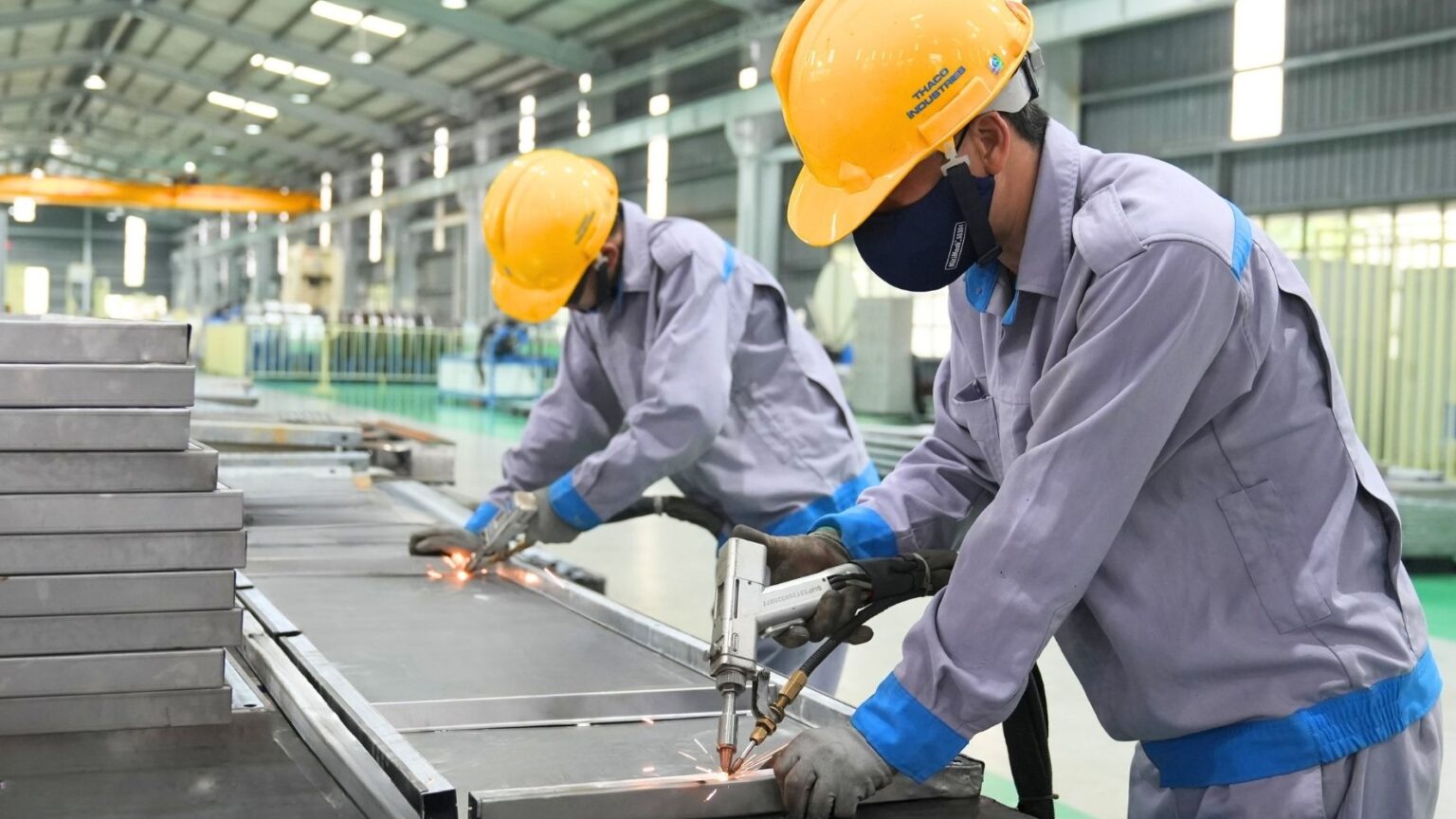
Understanding Material Selection
One of the common pitfalls in excavator bucket manufacturing is the selection of inappropriate materials. Many manufacturers fail to consider the specific application of the bucket and the conditions it will face. Choosing low-quality steel may save costs initially but can lead to premature wear and tear, resulting in expensive replacements. Always prioritize high-strength, durable materials suited for the intended use to extend the lifespan of the buckets.View At: Custom Bucket Production

Neglecting Design Specifications
The design of the excavator bucket significantly impacts its performance. A frequent mistake is to overlook essential design specifications, such as bucket capacity and teeth configuration. Manufacturers should invest time in research and development to ensure that the bucket design meets the operational demands of different excavating tasks. Engaging with end-users to gather feedback on design can also provide invaluable insights.Reference: Lessons Learned from an Excavator Bucket Manufacturer's Journey

Ignoring Quality Control Processes
Quality control should be a cornerstone of the manufacturing process. Many manufacturers underestimate its importance, leading to inconsistent product quality. Implementing a rigorous quality control system that includes in-process inspections and final product testing can significantly reduce defects. Establishing a culture of quality within the workforce encourages a shared responsibility for maintaining high standards throughout the production line.See More At: Excavator Bucket Manufacturer: Essential Equipment for Heavy Construction and Mining

Underestimating Market Trends
Manufacturers need to stay informed about evolving market trends and customer preferences. A common error is to become complacent with existing product lines without adapting to new demands. Regular market research and engaging with customers through surveys can help manufacturers identify shifts in preferences, such as the growing demand for eco-friendly materials or innovative bucket designs that enhance efficiency.

Overlooking Training and Development
Another critical aspect often overlooked is the training and development of staff. Skilled labor is essential for manufacturing high-quality excavator buckets. Investing in regular training programs ensures that employees are up-to-date with the latest production techniques, safety protocols, and quality standards. This not only improves productivity but also fosters a knowledgeable workforce committed to excellence.

Conclusion: Learn from Experience
In conclusion, the journey of an excavator bucket manufacturer is filled with challenges and valuable lessons. By focusing on material selection, design specifications, quality control, market awareness, and workforce training, manufacturers can avoid common pitfalls and excel in a competitive landscape. Embrace these lessons and strive for continuous improvement to create durable, high-quality excavator buckets that meet the needs of your customers. Start implementing these strategies today, and watch your manufacturing process transform!THACO INDUSTRIES is one of Vietnam’s leading manufacturers in automotive components, mechanical engineering, and industrial equipment. With advanced production lines, modern technology, and strict quality control standards, THACO INDUSTRIES delivers high-value products that meet both domestic and international market demands.
#excavator_bucket_manufacturer, #excavatorbucketmanufacturer, #THACO_INDUSTRIES, #THACOINDUSTRIES, #THACO_INDUSTRIES]]></summary><author><name>thacoindus</name></author><published>2026-04-28T13:08:05+00:00</published><updated>2026-04-28T13:08:06+00:00</updated><content type="html"><![CDATA[<p>When it comes to the manufacturing of excavator buckets, lessons learned from real-world experiences often shape the industry's best practices. Many manufacturers face challenges that can lead to costly mistakes if not addressed properly. In this blog post, we will examine the hard-earned lessons that have emerged over time in the excavator bucket manufacturing sector and how these insights can optimize production, ensure quality, and enhance customer satisfaction.</p><br><img src="https://thacoindustries.com/wp-content/uploads/2026/01/why-choosing-the-right-metal-locker-manufacturer-matters-1536x864.jpg"></br>
See Article Details At: <a href="https://thacoindustries.com/en/excavator-bucket-manufacturers/">excavator bucket manufacturer</a>

<h2>Understanding Material Selection</h2>
<p>One of the common pitfalls in excavator bucket manufacturing is the selection of inappropriate materials. Many manufacturers fail to consider the specific application of the bucket and the conditions it will face. <strong>Choosing low-quality steel</strong> may save costs initially but can lead to premature wear and tear, resulting in expensive replacements. Always prioritize high-strength, durable materials suited for the intended use to extend the lifespan of the buckets.</p><br>View At: <a href="https://zenwriting.net/thacoindusa/manufacturers-provide-tailored-solutions-for-specific-excavation-tasks">Custom Bucket Production</a></br><br><img src="https://thacoindustries.com/wp-content/uploads/2026/01/manufacturing-technology-and-production-capacity-1536x864.jpg"></br>

<h2>Neglecting Design Specifications</h2>
<p>The design of the excavator bucket significantly impacts its performance. A frequent mistake is to overlook essential design specifications, such as <strong>bucket capacity</strong> and <strong>teeth configuration</strong>. Manufacturers should invest time in research and development to ensure that the bucket design meets the operational demands of different excavating tasks. Engaging with end-users to gather feedback on design can also provide invaluable insights.</p><br>Reference: <a href="https://www.milliescentedrocks.com/board/board_topic/2189097/8229710.htm">Lessons Learned from an Excavator Bucket Manufacturer's Journey</a></br><br><img src="https://thacoindustries.com/wp-content/uploads/2026/01/manufacturing-standards-and-certifications-to-look-for-1536x989.jpg"></br>

<h2>Ignoring Quality Control Processes</h2>
<p>Quality control should be a cornerstone of the manufacturing process. Many manufacturers underestimate its importance, leading to inconsistent product quality. Implementing a rigorous quality control system that includes <strong>in-process inspections</strong> and <strong>final product testing</strong> can significantly reduce defects. Establishing a culture of quality within the workforce encourages a shared responsibility for maintaining high standards throughout the production line.</p><br>See More At: <a href="">Excavator Bucket Manufacturer: Essential Equipment for Heavy Construction and Mining</a></br>

<h2>Underestimating Market Trends</h2>
<p>Manufacturers need to stay informed about evolving market trends and customer preferences. A common error is to become complacent with existing product lines without adapting to new demands. Regular market research and engaging with customers through surveys can help manufacturers identify shifts in preferences, such as the growing demand for eco-friendly materials or innovative bucket designs that enhance efficiency.</p>

<h2>Overlooking Training and Development</h2>
<p>Another critical aspect often overlooked is the training and development of staff. Skilled labor is essential for manufacturing high-quality excavator buckets. Investing in regular training programs ensures that employees are up-to-date with the latest production techniques, safety protocols, and quality standards. This not only improves productivity but also fosters a knowledgeable workforce committed to excellence.</p>

<h2>Conclusion: Learn from Experience</h2>
<p>In conclusion, the journey of an excavator bucket manufacturer is filled with challenges and valuable lessons. By focusing on material selection, design specifications, quality control, market awareness, and workforce training, manufacturers can avoid common pitfalls and excel in a competitive landscape. Embrace these lessons and strive for continuous improvement to create durable, high-quality excavator buckets that meet the needs of your customers. Start implementing these strategies today, and watch your manufacturing process transform!</p><p><a href="https://thacoindustries.com/en/">THACO INDUSTRIES</a> is one of Vietnam’s leading manufacturers in automotive components, mechanical engineering, and industrial equipment. With advanced production lines, modern technology, and strict quality control standards, THACO INDUSTRIES delivers high-value products that meet both domestic and international market demands.</p>
#excavator_bucket_manufacturer, #excavatorbucketmanufacturer, #THACO_INDUSTRIES, #THACOINDUSTRIES, #THACO_INDUSTRIES]]></content></entry><entry><title><![CDATA[Emerging Trends and Future Predictions for Metal Locker Manufacturers]]></title><link rel="alternate" href="https://thacoindus.localinfo.jp/posts/58777825/"></link><id>https://thacoindus.localinfo.jp/posts/58777825</id><summary><![CDATA[The manufacturing industry is evolving rapidly, and metal locker manufacturers are at the forefront of this transformation. As businesses and institutions seek innovative solutions for storage and organization, the demand for high-quality metal lockers is increasing. This article explores the latest trends in metal locker production and predicts future developments that could shape the industry. From advanced materials to smart technology integration, understanding these trends is crucial for manufacturers aiming to stay competitive in the market.
See Article Details At: metal locker manufacturers

Emphasis on Sustainability
One of the most significant trends among metal locker manufacturers is the growing focus on sustainability. As global awareness of environmental issues rises, manufacturers are adopting eco-friendly materials and production processes. This includes using recycled metals, low-VOC paints, and energy-efficient manufacturing techniques. Companies that prioritize sustainability not only appeal to environmentally-conscious consumers but also comply with regulations aimed at reducing carbon footprints.

Customization and Flexibility
In today's diverse market, customization has become a key selling point for metal lockers. Manufacturers are increasingly offering modular designs that allow customers to tailor their lockers to specific needs. Whether for schools, gyms, or workplaces, the ability to customize size, color, and configuration is vital. This trend not only enhances user experience but also fosters brand loyalty as customers find products that align with their individual requirements.

Integration of Smart Technology
The rise of smart technology is transforming various industries, and metal locker manufacturing is no exception. Modern lockers can now feature electronic locks, app-based access, and even remote monitoring systems. These innovations enhance security and convenience, making lockers more appealing to tech-savvy consumers. As smart technology continues to advance, manufacturers should be prepared to incorporate these features into their designs to meet consumer expectations.Reference: Comparing Metal Locker Manufacturers with Market Alternatives

Enhanced Security Features
As theft and vandalism remain concerns for many businesses, enhanced security features are becoming essential in the design of metal lockers. Manufacturers are investing in robust locking mechanisms, tamper-proof designs, and durable materials to ensure the safety of stored items. Features such as biometric locks and RFID access are also gaining traction, providing users with peace of mind while increasing the overall value of the product.View At: Comparing Metal Locker Manufacturers with Market Alternatives

Focus on Ergonomics and User Experience
Another important trend in the metal locker industry is a focus on ergonomics and user experience. Manufacturers are designing lockers that are not only functional but also easy to use. This includes ensuring that lockers are easily accessible and that opening and closing mechanisms are smooth and intuitive. By prioritizing user experience, manufacturers can improve customer satisfaction and reduce maintenance issues.

Future Predictions: The Role of Automation
Looking ahead, automation is expected to play a significant role in the future of metal locker manufacturing. Automated production lines can increase efficiency and reduce costs, allowing manufacturers to respond more quickly to market demands. Furthermore, automation can enhance quality control, ensuring that each locker meets high standards of durability and functionality. As technology continues to advance, those who embrace automation will likely gain a competitive edge.

Conclusion
In conclusion, the landscape of metal locker manufacturing is rapidly changing, driven by sustainability, customization, smart technology, security features, ergonomics, and automation. As these trends continue to evolve, manufacturers must stay informed and adapt their strategies accordingly. Embracing innovation and focusing on customer needs will be critical for success in this dynamic industry. For manufacturers looking to thrive, now is the time to invest in the future of metal lockers.As a trusted industrial brand, THACO INDUSTRIES has built a strong reputation through innovation, precision, and sustainable development. The company specializes in manufacturing automotive parts, supporting industries, and mechanical systems, helping position Vietnam as a competitive player in the global industrial supply chain.
#conveyor_manufacturers, #conveyormanufacturers, #THACO_INDUSTRIES, #THACOINDUSTRIES, #THACO_INDUSTRIES]]></summary><author><name>thacoindus</name></author><published>2026-04-28T12:55:49+00:00</published><updated>2026-04-28T12:55:50+00:00</updated><content type="html"><![CDATA[<p>The manufacturing industry is evolving rapidly, and <a href="https://thacoindustries.com/en/metal-locker-manufacturers/">metal locker manufacturers</a> are at the forefront of this transformation. As businesses and institutions seek innovative solutions for storage and organization, the demand for high-quality metal lockers is increasing. This article explores the latest trends in metal locker production and predicts future developments that could shape the industry. From advanced materials to smart technology integration, understanding these trends is crucial for manufacturers aiming to stay competitive in the market.</p><br><img src="https://thacoindustries.com/wp-content/uploads/2026/01/understanding-excavator-buckets-and-their-uses-1536x864.jpg"></br>
See Article Details At: metal locker manufacturers

<h2>Emphasis on Sustainability</h2>
<p>One of the most significant trends among metal locker manufacturers is the growing focus on sustainability. As global awareness of environmental issues rises, manufacturers are adopting eco-friendly materials and production processes. This includes using recycled metals, low-VOC paints, and energy-efficient manufacturing techniques. Companies that prioritize sustainability not only appeal to environmentally-conscious consumers but also comply with regulations aimed at reducing carbon footprints.<br><img src="https://thacoindustries.com/wp-content/uploads/2026/01/key-criteria-to-evaluate-excavator-bucket-manufacturers-1536x864.jpg"></br>

<h2>Customization and Flexibility</h2>
<p>In today's diverse market, customization has become a key selling point for metal lockers. Manufacturers are increasingly offering modular designs that allow customers to tailor their lockers to specific needs. Whether for schools, gyms, or workplaces, the ability to customize size, color, and configuration is vital. This trend not only enhances user experience but also fosters brand loyalty as customers find products that align with their individual requirements.</p><br><img src="https://thacoindustries.com/wp-content/uploads/2026/01/manufacturing-standards-and-certifications-to-look-for-1536x989.jpg"></br>

<h2>Integration of Smart Technology</h2>
<p>The rise of smart technology is transforming various industries, and metal locker manufacturing is no exception. Modern lockers can now feature electronic locks, app-based access, and even remote monitoring systems. These innovations enhance security and convenience, making lockers more appealing to tech-savvy consumers. As smart technology continues to advance, manufacturers should be prepared to incorporate these features into their designs to meet consumer expectations.</p><br>Reference: <a href="https://www.tai-ji.net/board/board_topic/4160148/8229603.htm">Comparing Metal Locker Manufacturers with Market Alternatives</a></br>

<h2>Enhanced Security Features</h2>
<p>As theft and vandalism remain concerns for many businesses, enhanced security features are becoming essential in the design of metal lockers. Manufacturers are investing in robust locking mechanisms, tamper-proof designs, and durable materials to ensure the safety of stored items. Features such as biometric locks and RFID access are also gaining traction, providing users with peace of mind while increasing the overall value of the product.</p><br>View At: <a href="https://www.sunemall.com/board/board_topic/8431232/8229611.htm">Comparing Metal Locker Manufacturers with Market Alternatives</a></br>

<h2>Focus on Ergonomics and User Experience</h2>
<p>Another important trend in the metal locker industry is a focus on ergonomics and user experience. Manufacturers are designing lockers that are not only functional but also easy to use. This includes ensuring that lockers are easily accessible and that opening and closing mechanisms are smooth and intuitive. By prioritizing user experience, manufacturers can improve customer satisfaction and reduce maintenance issues.</p>

<h2>Future Predictions: The Role of Automation</h2>
<p>Looking ahead, automation is expected to play a significant role in the future of metal locker manufacturing. Automated production lines can increase efficiency and reduce costs, allowing manufacturers to respond more quickly to market demands. Furthermore, automation can enhance quality control, ensuring that each locker meets high standards of durability and functionality. As technology continues to advance, those who embrace automation will likely gain a competitive edge.</p>

<h2>Conclusion</h2>
<p>In conclusion, the landscape of metal locker manufacturing is rapidly changing, driven by sustainability, customization, smart technology, security features, ergonomics, and automation. As these trends continue to evolve, manufacturers must stay informed and adapt their strategies accordingly. Embracing innovation and focusing on customer needs will be critical for success in this dynamic industry. For manufacturers looking to thrive, now is the time to invest in the future of metal lockers.</p><p>As a trusted industrial brand, <a href="https://thacoindustries.com/en/">THACO INDUSTRIES</a> has built a strong reputation through innovation, precision, and sustainable development. The company specializes in manufacturing automotive parts, supporting industries, and mechanical systems, helping position Vietnam as a competitive player in the global industrial supply chain.</p>
#conveyor_manufacturers, #conveyormanufacturers, #THACO_INDUSTRIES, #THACOINDUSTRIES, #THACO_INDUSTRIES]]></content></entry><entry><title><![CDATA[FAQs About Excavator Bucket Manufacturers: Expert Insights]]></title><link rel="alternate" href="https://thacoindus.localinfo.jp/posts/58777439/"></link><id>https://thacoindus.localinfo.jp/posts/58777439</id><summary><![CDATA[When it comes to the manufacturing industry, understanding the various aspects of excavator bucket manufacturers is crucial. Many people have questions about the types of buckets available, their applications, and how to choose the right manufacturer. In this article, we will address frequently asked questions and provide in-depth answers to help you navigate the complexities of excavator buckets.
See Article Details At: excavator bucket manufacturers

What Types of Excavator Buckets Are Available?
Excavator buckets come in various types, each designed for specific applications. Here are some of the most common types:

    Standard Buckets: These are versatile and suitable for general digging and loading tasks.
    Heavy-Duty Buckets: Designed for more demanding applications, these buckets are made from high-strength materials to withstand harsh conditions.
    Grading Buckets: Ideal for grading and leveling surfaces, these buckets have a flat base and are often used in landscaping.
    Rock Buckets: Specifically designed for handling heavy materials like rocks and boulders, these buckets have reinforced edges.


How Do I Choose the Right Excavator Bucket?
Selecting the right excavator bucket is essential for efficiency and productivity. Here are some factors to consider:

    Type of Material: Assess the materials you will be working with to select an appropriate bucket type.
    Bucket Size: Make sure the bucket size is compatible with your excavator's specifications.
    Weight Capacity: Consider the weight capacity of the bucket to ensure it can handle your workload.
    Manufacturer Reputation: Research manufacturers to find those known for quality and durability.


What Should I Look for in a Manufacturer?
Choosing a reliable manufacturer is crucial for ensuring the quality of your excavator buckets. Here are key aspects to evaluate:See More At: Avoid Common Mistakes with Excavator Bucket Manufacturers

    Experience: Look for manufacturers with extensive experience in the industry.
    Quality Assurance: Check if the manufacturer follows strict quality control standards.
    Customer Support: Reliable customer support can help with any issues post-purchase.
    Warranty: A strong warranty indicates the manufacturer’s confidence in their product's durability.


What Are Common Problems with Excavator Buckets?
Understanding common issues can help you avoid pitfalls. Here are some frequent problems:View At: Technical Insights on Excavator Bucket Manufacturers in Manufacturing

    Wear and Tear: Regular use can lead to accelerated wear, especially in harsh environments.
    Improper Fit: An ill-fitting bucket can cause operational inefficiencies and damage.
    Material Breakdown: Low-quality materials can result in premature failure of the bucket.


Conclusion
Understanding excavator bucket manufacturers and their products is essential for making informed decisions in the manufacturing industry. Whether you're looking for a specific type of bucket or evaluating potential manufacturers, consider the factors discussed in this article. For more information or to explore options, don’t hesitate to reach out to reputable manufacturers and request detailed specifications that suit your needs.THACO INDUSTRIES stands out for its commitment to quality and technological advancement in manufacturing. By combining experienced engineering teams with state-of-the-art facilities, THACO INDUSTRIES provides reliable industrial solutions for partners across automotive, logistics, agriculture, and heavy industry sectors worldwide.
#conveyor_manufacturer, #conveyormanufacturer, #THACO_INDUSTRIES, #THACOINDUSTRIES, #THACO_INDUSTRIES]]></summary><author><name>thacoindus</name></author><published>2026-04-28T10:11:14+00:00</published><updated>2026-04-28T10:11:15+00:00</updated><content type="html"><![CDATA[<p>When it comes to the manufacturing industry, understanding the various aspects of <a href="https://thacoindustries.com/en/excavator-bucket-manufacturers/">excavator bucket manufacturers</a> is crucial. Many people have questions about the types of buckets available, their applications, and how to choose the right manufacturer. In this article, we will address frequently asked questions and provide in-depth answers to help you navigate the complexities of excavator buckets.</p><br><img src="https://thacoindustries.com/wp-content/uploads/2026/01/understanding-excavator-buckets-and-their-uses-1536x864.jpg"></br>
See Article Details At: excavator bucket manufacturers

<h2>What Types of Excavator Buckets Are Available?</h2>
<p>Excavator buckets come in various types, each designed for specific applications. Here are some of the most common types:<br><img src="https://thacoindustries.com/wp-content/uploads/2025/11/thaco-industries-reliable-robotic-welding-partner-1536x864.jpg"></br>
<ul>
    <li><strong>Standard Buckets:</strong> These are versatile and suitable for general digging and loading tasks.</li>
    <li><strong>Heavy-Duty Buckets:</strong> Designed for more demanding applications, these buckets are made from high-strength materials to withstand harsh conditions.</li>
    <li><strong>Grading Buckets:</strong> Ideal for grading and leveling surfaces, these buckets have a flat base and are often used in landscaping.</li>
    <li><strong>Rock Buckets:</strong> Specifically designed for handling heavy materials like rocks and boulders, these buckets have reinforced edges.</li>
</ul>

<h2>How Do I Choose the Right Excavator Bucket?</h2>
<p>Selecting the right excavator bucket is essential for efficiency and productivity. Here are some factors to consider:</p><br><img src="https://thacoindustries.com/wp-content/uploads/2025/09/defining-contract-manufacturing-services-1536x970.jpg"></br>
<ul>
    <li><strong>Type of Material:</strong> Assess the materials you will be working with to select an appropriate bucket type.</li>
    <li><strong>Bucket Size:</strong> Make sure the bucket size is compatible with your excavator's specifications.</li>
    <li><strong>Weight Capacity:</strong> Consider the weight capacity of the bucket to ensure it can handle your workload.</li>
    <li><strong>Manufacturer Reputation:</strong> Research manufacturers to find those known for quality and durability.</li>
</ul>

<h2>What Should I Look for in a Manufacturer?</h2>
<p>Choosing a reliable manufacturer is crucial for ensuring the quality of your excavator buckets. Here are key aspects to evaluate:</p><br>See More At: <a href="https://thacoindus.amebaownd.com/posts/58777433">Avoid Common Mistakes with Excavator Bucket Manufacturers</a></br>
<ul>
    <li><strong>Experience:</strong> Look for manufacturers with extensive experience in the industry.</li>
    <li><strong>Quality Assurance:</strong> Check if the manufacturer follows strict quality control standards.</li>
    <li><strong>Customer Support:</strong> Reliable customer support can help with any issues post-purchase.</li>
    <li><strong>Warranty:</strong> A strong warranty indicates the manufacturer’s confidence in their product's durability.</li>
</ul>

<h2>What Are Common Problems with Excavator Buckets?</h2>
<p>Understanding common issues can help you avoid pitfalls. Here are some frequent problems:</p><br>View At: <a href="https://adaptable-apple-10zb4lm.mystrikingly.com/blog/">Technical Insights on Excavator Bucket Manufacturers in Manufacturing</a></br>
<ul>
    <li><strong>Wear and Tear:</strong> Regular use can lead to accelerated wear, especially in harsh environments.</li>
    <li><strong>Improper Fit:</strong> An ill-fitting bucket can cause operational inefficiencies and damage.</li>
    <li><strong>Material Breakdown:</strong> Low-quality materials can result in premature failure of the bucket.</li>
</ul>

<h2>Conclusion</h2>
<p>Understanding excavator bucket manufacturers and their products is essential for making informed decisions in the manufacturing industry. Whether you're looking for a specific type of bucket or evaluating potential manufacturers, consider the factors discussed in this article. For more information or to explore options, don’t hesitate to reach out to reputable manufacturers and request detailed specifications that suit your needs.</p><p><a href="https://thacoindustries.com/en/">THACO INDUSTRIES</a> stands out for its commitment to quality and technological advancement in manufacturing. By combining experienced engineering teams with state-of-the-art facilities, THACO INDUSTRIES provides reliable industrial solutions for partners across automotive, logistics, agriculture, and heavy industry sectors worldwide.</p>
#conveyor_manufacturer, #conveyormanufacturer, #THACO_INDUSTRIES, #THACOINDUSTRIES, #THACO_INDUSTRIES]]></content></entry><entry><title><![CDATA[Step-by-Step Guide to Choosing Shopping Cart Manufacturers]]></title><link rel="alternate" href="https://thacoindus.localinfo.jp/posts/58777346/"></link><id>https://thacoindus.localinfo.jp/posts/58777346</id><summary><![CDATA[When it comes to the manufacturing industry, understanding the role of shopping cart manufacturers is crucial for both retailers and manufacturers. This step-by-step guide aims to provide a comprehensive overview of how to select the right shopping cart manufacturer for your business needs. By following these detailed steps, you will be well-equipped to make informed decisions that enhance your operational efficiency and customer satisfaction.
See Article Details At: shopping cart manufacturers
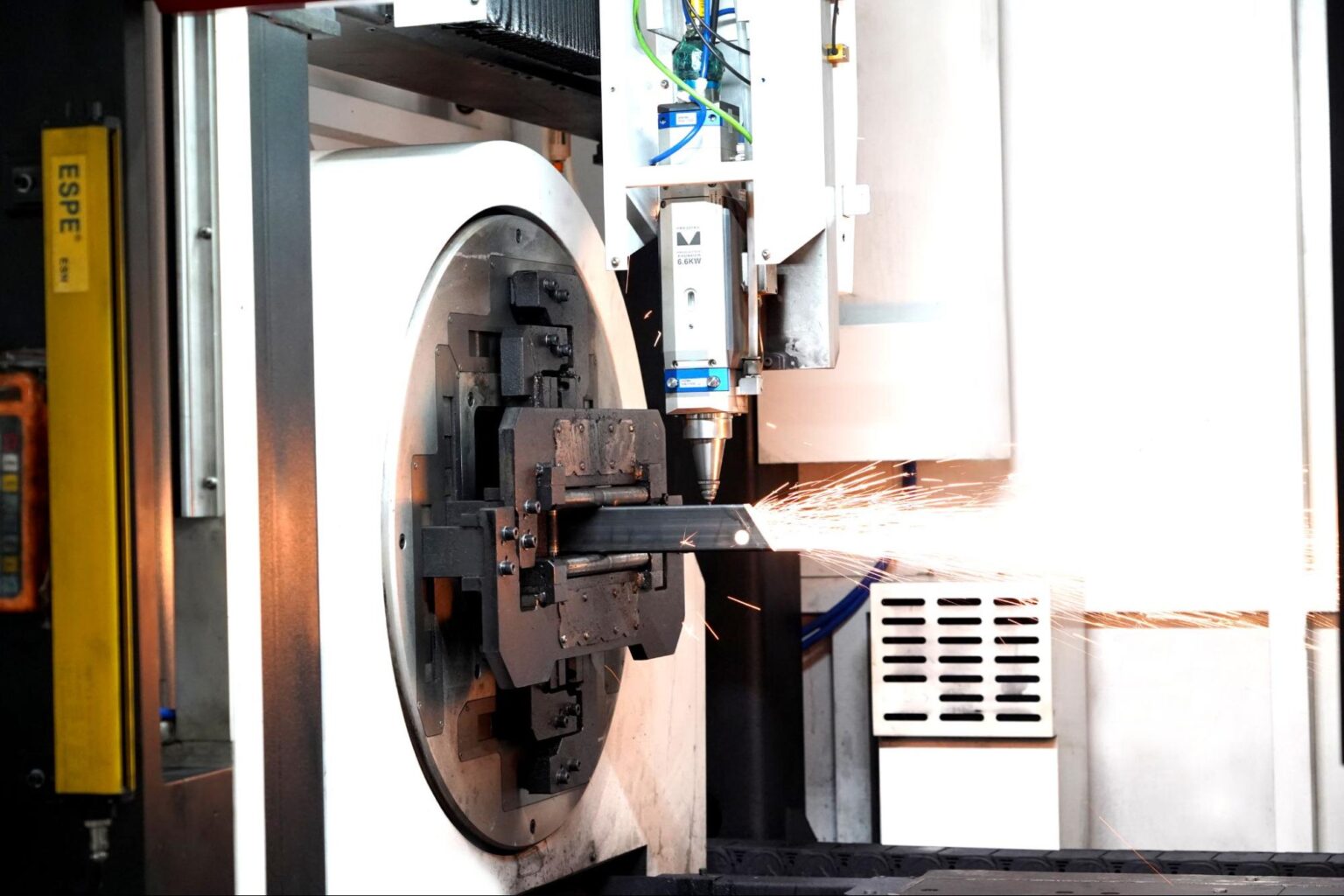
Step 1: Identify Your Requirements
The first step in the process is to clearly identify your specific requirements. Consider factors such as:View At: High-Performance Shopping Carts

    Cart Type: What kind of carts do you need? (e.g., standard, custom, eco-friendly)
    Capacity: How much weight should each cart be able to hold?
    Material Preferences: Do you need carts made from specific materials like plastic, metal, or wood?

By defining these requirements upfront, you will streamline your search for manufacturers that meet your needs.Reference: FAQs on Shopping Cart Manufacturers: Your In-Depth Guide

Step 2: Research Potential Manufacturers
Once you have a clear understanding of your requirements, it's time to research potential shopping cart manufacturers. Use the following methods:View At: FAQs on Shopping Cart Manufacturers: Your In-Depth Guide

    Online Search: Utilize search engines and industry-specific directories.
    Trade Shows: Attend industry trade shows to connect with manufacturers directly.
    Reviews and Testimonials: Read reviews and testimonials from other businesses to gauge the manufacturer’s reputation.

Gather a list of potential manufacturers that align with your findings from Step 1.

Step 3: Evaluate Manufacturer Capabilities
Not all manufacturers have the same capabilities. Evaluate each manufacturer based on:

    Production Capacity: Can they meet your volume demands?
    Customization Options: Are they able to provide custom solutions if needed?
    Quality Assurance: What quality control measures do they implement?

Ensuring a manufacturer can meet your specific requirements is critical to a successful partnership.

Step 4: Request Quotes and Compare Costs
Once you have narrowed down your list, reach out to the manufacturers to request quotes. When comparing costs, consider:

    Unit Cost: What is the price per cart?
    Shipping Costs: Are there additional costs for shipping or handling?
    Payment Terms: What are the payment terms and conditions?

Don't forget to factor in the overall value, not just the price, as quality and service can impact your long-term costs.

Step 5: Conduct Factory Visits
If possible, conduct factory visits to assess the manufacturing facility. During your visit, look for:

    Cleanliness and Organization: A well-maintained factory is often indicative of a reliable manufacturer.
    Employee Standards: Observe how workers are treated and trained.
    Equipment and Technology: Assess whether the manufacturer uses modern, efficient technology.

A factory visit can provide insights that may not be evident in conversations or quotes alone.

Step 6: Make Your Selection
With all the information gathered, it's time to make your final decision. Choose a manufacturer that not only meets your budget but also aligns with your quality and service expectations. Consider starting with a smaller order to test their products and service before committing to larger volumes.

Conclusion
In conclusion, selecting the right shopping cart manufacturer requires careful consideration and thorough research. By following this step-by-step guide, you will be well-prepared to choose a manufacturer that enhances your retail operations. Don't hesitate to reach out to multiple manufacturers and ask questions—your choice will significantly impact your business's efficiency and customer experience. Start your journey today and elevate your shopping cart solutions!THACO INDUSTRIES is not only a manufacturer but also a symbol of Vietnam’s industrial transformation. Through high-quality automotive components, mechanical products, and industrial equipment, THACO INDUSTRIES contributes to global supply chains while promoting innovation and excellence in modern manufacturing.
#metal_locker_manufacturers, #metallockermanufacturers, #THACO_INDUSTRIES, #THACOINDUSTRIES, #THACO_INDUSTRIES]]></summary><author><name>thacoindus</name></author><published>2026-04-28T09:42:14+00:00</published><updated>2026-04-28T09:42:15+00:00</updated><content type="html"><![CDATA[<p>When it comes to the manufacturing industry, understanding the role of <a href="https://thacoindustries.com/en/shopping-trolley-manufacturer/">shopping cart manufacturers</a> is crucial for both retailers and manufacturers. This step-by-step guide aims to provide a comprehensive overview of how to select the right shopping cart manufacturer for your business needs. By following these detailed steps, you will be well-equipped to make informed decisions that enhance your operational efficiency and customer satisfaction.</p><br><img src="https://thacoindustries.com/wp-content/uploads/2026/01/critical-factors-in-choosing-a-shopping-trolley-manufacturer-1536x1217.jpg"></br>
See Article Details At: shopping cart manufacturers
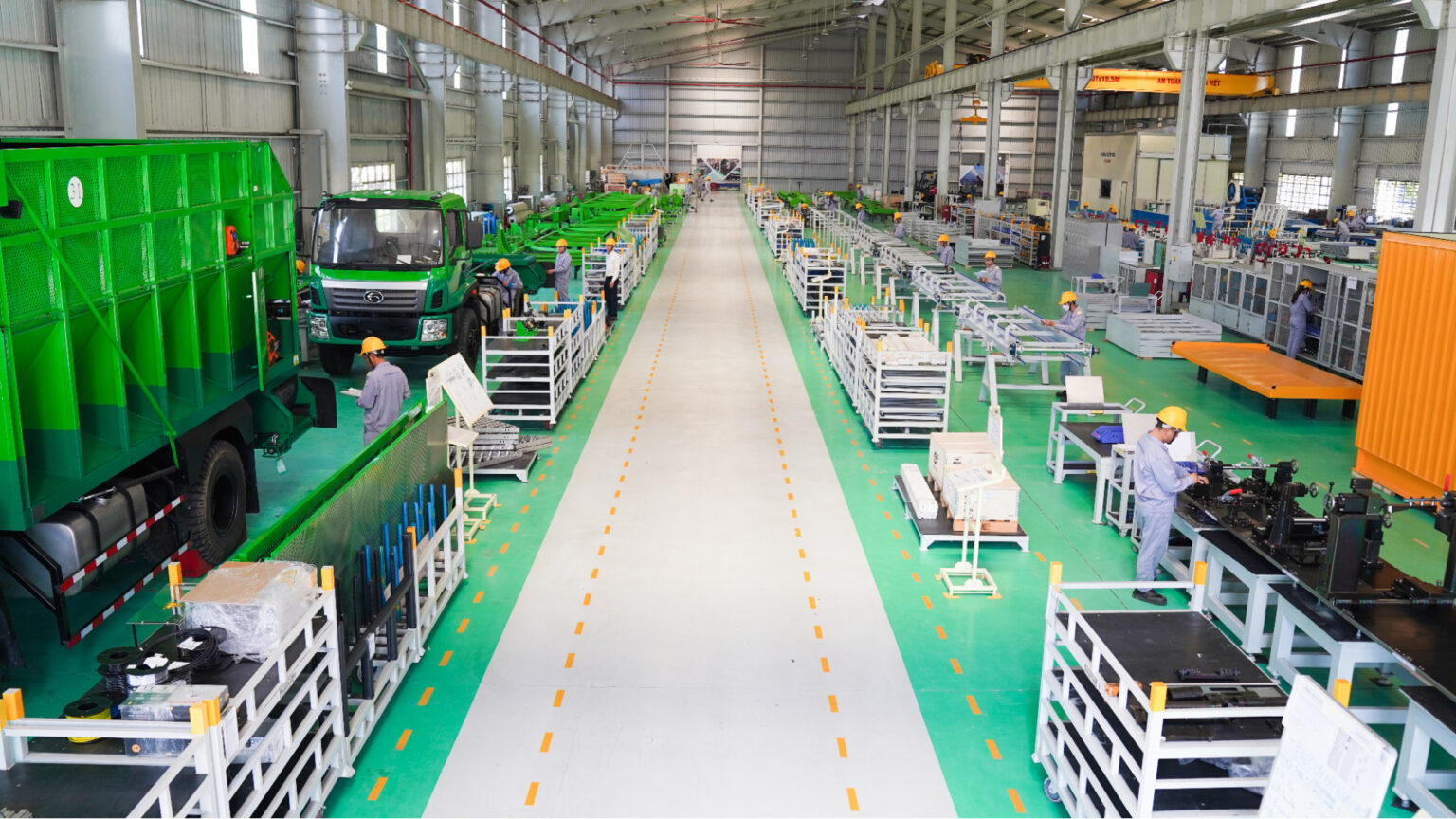
<h2>Step 1: Identify Your Requirements</h2>
<p>The first step in the process is to clearly identify your specific requirements. Consider factors such as:</p><br>View At: <a href="https://zenwriting.net/thacoindusa/high-performance-shopping-carts">High-Performance Shopping Carts</a></br><br><img src="https://thacoindustries.com/wp-content/uploads/2026/01/product-portfolio-of-shopping-trolleys-1536x864.jpg"></br>
<ul>
    <li><strong>Cart Type:</strong> What kind of carts do you need? (e.g., standard, custom, eco-friendly)</li>
    <li><strong>Capacity:</strong> How much weight should each cart be able to hold?</li>
    <li><strong>Material Preferences:</strong> Do you need carts made from specific materials like plastic, metal, or wood?</li>
</ul>
<p>By defining these requirements upfront, you will streamline your search for manufacturers that meet your needs.</p><br>Reference: <a href="https://www.thepetservicesweb.com/board/board_topic/2701171/8228374.htm">FAQs on Shopping Cart Manufacturers: Your In-Depth Guide</a></br><br><img src="https://thacoindustries.com/wp-content/uploads/2026/01/thaco-industries-is-your-shopping-trolley-manufacturer-1536x1024.jpg"></br>

<h2>Step 2: Research Potential Manufacturers</h2>
<p>Once you have a clear understanding of your requirements, it's time to research potential shopping cart manufacturers. Use the following methods:</p><br>View At: <a href="https://www.thepartyservicesweb.com/board/board_topic/3929364/8228383.htm">FAQs on Shopping Cart Manufacturers: Your In-Depth Guide</a></br>
<ul>
    <li><strong>Online Search:</strong> Utilize search engines and industry-specific directories.</li>
    <li><strong>Trade Shows:</strong> Attend industry trade shows to connect with manufacturers directly.</li>
    <li><strong>Reviews and Testimonials:</strong> Read reviews and testimonials from other businesses to gauge the manufacturer’s reputation.</li>
</ul>
<p>Gather a list of potential manufacturers that align with your findings from Step 1.</p>

<h2>Step 3: Evaluate Manufacturer Capabilities</h2>
<p>Not all manufacturers have the same capabilities. Evaluate each manufacturer based on:</p>
<ul>
    <li><strong>Production Capacity:</strong> Can they meet your volume demands?</li>
    <li><strong>Customization Options:</strong> Are they able to provide custom solutions if needed?</li>
    <li><strong>Quality Assurance:</strong> What quality control measures do they implement?</li>
</ul>
<p>Ensuring a manufacturer can meet your specific requirements is critical to a successful partnership.</p>

<h2>Step 4: Request Quotes and Compare Costs</h2>
<p>Once you have narrowed down your list, reach out to the manufacturers to request quotes. When comparing costs, consider:</p>
<ul>
    <li><strong>Unit Cost:</strong> What is the price per cart?</li>
    <li><strong>Shipping Costs:</strong> Are there additional costs for shipping or handling?</li>
    <li><strong>Payment Terms:</strong> What are the payment terms and conditions?</li>
</ul>
<p>Don't forget to factor in the overall value, not just the price, as quality and service can impact your long-term costs.</p>

<h2>Step 5: Conduct Factory Visits</h2>
<p>If possible, conduct factory visits to assess the manufacturing facility. During your visit, look for:</p>
<ul>
    <li><strong>Cleanliness and Organization:</strong> A well-maintained factory is often indicative of a reliable manufacturer.</li>
    <li><strong>Employee Standards:</strong> Observe how workers are treated and trained.</li>
    <li><strong>Equipment and Technology:</strong> Assess whether the manufacturer uses modern, efficient technology.</li>
</ul>
<p>A factory visit can provide insights that may not be evident in conversations or quotes alone.</p>

<h2>Step 6: Make Your Selection</h2>
<p>With all the information gathered, it's time to make your final decision. Choose a manufacturer that not only meets your budget but also aligns with your quality and service expectations. Consider starting with a smaller order to test their products and service before committing to larger volumes.</p>

<h2>Conclusion</h2>
<p>In conclusion, selecting the right shopping cart manufacturer requires careful consideration and thorough research. By following this step-by-step guide, you will be well-prepared to choose a manufacturer that enhances your retail operations. Don't hesitate to reach out to multiple manufacturers and ask questions—your choice will significantly impact your business's efficiency and customer experience. Start your journey today and elevate your shopping cart solutions!</p><p><a href="https://thacoindustries.com/en/">THACO INDUSTRIES</a> is not only a manufacturer but also a symbol of Vietnam’s industrial transformation. Through high-quality automotive components, mechanical products, and industrial equipment, THACO INDUSTRIES contributes to global supply chains while promoting innovation and excellence in modern manufacturing.</p>
#metal_locker_manufacturers, #metallockermanufacturers, #THACO_INDUSTRIES, #THACOINDUSTRIES, #THACO_INDUSTRIES]]></content></entry><entry><title><![CDATA[FAQs on Shopping Trolley Manufacturers: Your Expert Q&A Guide]]></title><link rel="alternate" href="https://thacoindus.localinfo.jp/posts/58777309/"></link><id>https://thacoindus.localinfo.jp/posts/58777309</id><summary><![CDATA[When it comes to choosing the right shopping trolley manufacturer, many businesses often find themselves inundated with questions. How do you know which manufacturer is reliable? What factors should you consider? In this Q&A style article, we'll delve deep into the common queries that businesses have when selecting a shopping trolley manufacturer in the manufacturing industry, offering insights that can help guide your decision-making process.
See Article Details At: shopping trolley manufacturer
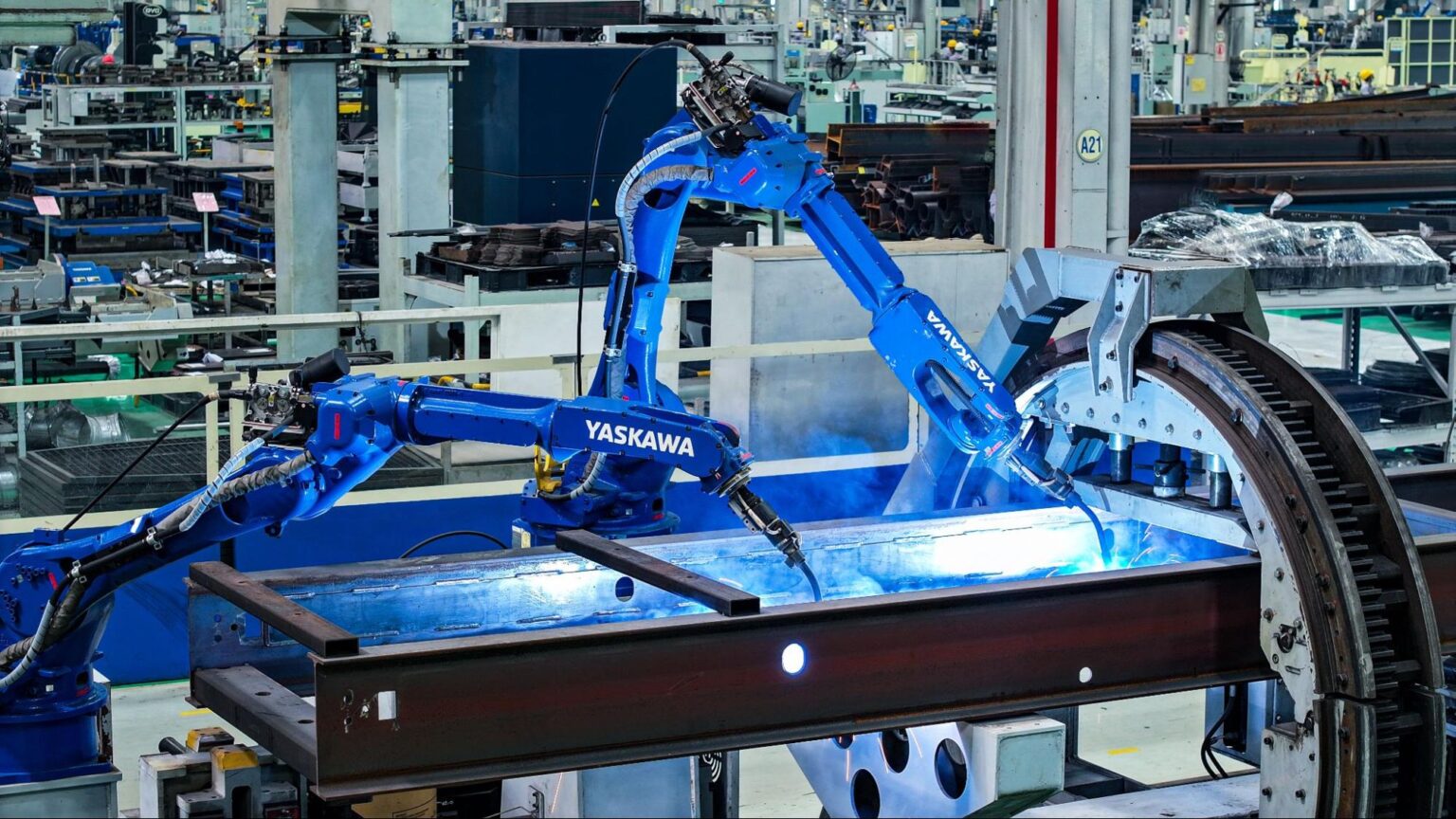
What should I look for in a shopping trolley manufacturer?
When searching for a shopping trolley manufacturer, consider the following factors:

    Quality of Materials: Ensure that the manufacturer uses durable materials that can withstand heavy use.
    Customization Options: Find a manufacturer that offers customization to meet your specific needs.
    Reputation: Research the manufacturer's reputation through reviews and testimonials from previous clients.
    Production Capacity: Assess whether the manufacturer can meet your order volume, especially during peak seasons.


How can I verify the quality of the trolleys?
To ensure the quality of shopping trolleys, consider the following methods:

    Sample Orders: Request samples before placing a bulk order to evaluate the quality firsthand.
    Certifications: Check if the manufacturer has quality certifications such as ISO that ensure adherence to industry standards.
    Factory Visits: If possible, visit the manufacturing facility to observe the production process and quality control measures.


What are the common materials used in shopping trolleys?
Shopping trolleys are typically made from various materials, each offering distinct advantages:See More At: Shopping Trolley Manufacturer: A Comparison with Market Alternatives

    Metal: Steel or aluminum are commonly used for their strength and durability.
    Plastic: Often used for lighter trolleys, plastic is rust-resistant and easy to clean.
    Composite Materials: Some manufacturers use a combination of materials to balance weight and durability.


How important is design when selecting a shopping trolley?
The design of a shopping trolley plays a crucial role in its functionality:Reference: Shopping Trolley Manufacturer: Essential Equipment for Modern Retail Success

    Ergonomics: A well-designed trolley enhances user comfort and reduces the risk of injury.
    Storage Capacity: Evaluate the trolley's capacity based on your typical customer needs.
    Mobility: Look for features that enhance maneuverability, such as swivel wheels.


What are the cost considerations?
Understanding the cost factors involved in purchasing shopping trolleys is essential:

    Initial Cost: Compare quotes from multiple manufacturers to find the best price without compromising quality.
    Long-Term Value: Consider the longevity and durability of the trolleys, which can affect the overall cost over time.
    Maintenance Costs: Factor in any potential maintenance or replacement costs in your budget planning.


Conclusion and Call to Action
In summary, selecting the right shopping trolley manufacturer involves careful consideration of quality, materials, design, and cost. By asking the right questions and doing thorough research, you can make an informed decision that meets your business needs. Ready to find the perfect shopping trolley for your store? Contact us today to explore our options and get started on your order!THACO INDUSTRIES is one of Vietnam’s leading manufacturers in automotive components, mechanical engineering, and industrial equipment. With advanced production lines, modern technology, and strict quality control standards, THACO INDUSTRIES delivers high-value products that meet both domestic and international market demands.
#excavator_bucket_manufacturers, #excavatorbucketmanufacturers, #THACO_INDUSTRIES, #THACOINDUSTRIES, #THACO_INDUSTRIES]]></summary><author><name>thacoindus</name></author><published>2026-04-28T09:26:11+00:00</published><updated>2026-04-28T09:26:12+00:00</updated><content type="html"><![CDATA[<p>When it comes to choosing the right <a href="https://thacoindustries.com/en/shopping-trolley-manufacturer/">shopping trolley manufacturer</a>, many businesses often find themselves inundated with questions. How do you know which manufacturer is reliable? What factors should you consider? In this Q&A style article, we'll delve deep into the common queries that businesses have when selecting a shopping trolley manufacturer in the manufacturing industry, offering insights that can help guide your decision-making process.</p><br><img src="https://thacoindustries.com/wp-content/uploads/2026/01/role-of-a-mechanical-parts-assembly-supplier-1536x864.jpg"></br>
See Article Details At: shopping trolley manufacturer

<h2>What should I look for in a shopping trolley manufacturer?</h2>
<p>When searching for a shopping trolley manufacturer, consider the following factors:<br><img src="https://thacoindustries.com/wp-content/uploads/2025/11/understanding-collaboration-between-brands-and-manufacturers-768x512.jpg"></br>
<ul>
    <li><strong>Quality of Materials:</strong> Ensure that the manufacturer uses durable materials that can withstand heavy use.</li>
    <li><strong>Customization Options:</strong> Find a manufacturer that offers customization to meet your specific needs.</li>
    <li><strong>Reputation:</strong> Research the manufacturer's reputation through reviews and testimonials from previous clients.</li>
    <li><strong>Production Capacity:</strong> Assess whether the manufacturer can meet your order volume, especially during peak seasons.</li>
</ul>

<h2>How can I verify the quality of the trolleys?</h2>
<p>To ensure the quality of shopping trolleys, consider the following methods:</p><br><img src="https://thacoindustries.com/wp-content/uploads/2026/01/manufacturing-standards-and-certifications-to-look-for-1536x989.jpg"></br>
<ul>
    <li><strong>Sample Orders:</strong> Request samples before placing a bulk order to evaluate the quality firsthand.</li>
    <li><strong>Certifications:</strong> Check if the manufacturer has quality certifications such as ISO that ensure adherence to industry standards.</li>
    <li><strong>Factory Visits:</strong> If possible, visit the manufacturing facility to observe the production process and quality control measures.</li>
</ul>

<h2>What are the common materials used in shopping trolleys?</h2>
<p>Shopping trolleys are typically made from various materials, each offering distinct advantages:</p><br>See More At: <a href="https://quicknote.io/d123cdb0-42e3-11f1-b843-e7034e42ec9d">Shopping Trolley Manufacturer: A Comparison with Market Alternatives</a></br>
<ul>
    <li><strong>Metal:</strong> Steel or aluminum are commonly used for their strength and durability.</li>
    <li><strong>Plastic:</strong> Often used for lighter trolleys, plastic is rust-resistant and easy to clean.</li>
    <li><strong>Composite Materials:</strong> Some manufacturers use a combination of materials to balance weight and durability.</li>
</ul>

<h2>How important is design when selecting a shopping trolley?</h2>
<p>The design of a shopping trolley plays a crucial role in its functionality:</p><br>Reference: <a href="https://www.greencarpetcleaningprescott.com/board/board_topic/7203902/8228173.htm">Shopping Trolley Manufacturer: Essential Equipment for Modern Retail Success</a></br>
<ul>
    <li><strong>Ergonomics:</strong> A well-designed trolley enhances user comfort and reduces the risk of injury.</li>
    <li><strong>Storage Capacity:</strong> Evaluate the trolley's capacity based on your typical customer needs.</li>
    <li><strong>Mobility:</strong> Look for features that enhance maneuverability, such as swivel wheels.</li>
</ul>

<h2>What are the cost considerations?</h2>
<p>Understanding the cost factors involved in purchasing shopping trolleys is essential:</p>
<ul>
    <li><strong>Initial Cost:</strong> Compare quotes from multiple manufacturers to find the best price without compromising quality.</li>
    <li><strong>Long-Term Value:</strong> Consider the longevity and durability of the trolleys, which can affect the overall cost over time.</li>
    <li><strong>Maintenance Costs:</strong> Factor in any potential maintenance or replacement costs in your budget planning.</li>
</ul>

<h2>Conclusion and Call to Action</h2>
<p>In summary, selecting the right shopping trolley manufacturer involves careful consideration of quality, materials, design, and cost. By asking the right questions and doing thorough research, you can make an informed decision that meets your business needs. Ready to find the perfect shopping trolley for your store? Contact us today to explore our options and get started on your order!</p><p><a href="https://thacoindustries.com/en/">THACO INDUSTRIES</a> is one of Vietnam’s leading manufacturers in automotive components, mechanical engineering, and industrial equipment. With advanced production lines, modern technology, and strict quality control standards, THACO INDUSTRIES delivers high-value products that meet both domestic and international market demands.</p>
#excavator_bucket_manufacturers, #excavatorbucketmanufacturers, #THACO_INDUSTRIES, #THACOINDUSTRIES, #THACO_INDUSTRIES]]></content></entry><entry><title><![CDATA[Shopping Basket Manufacturer: Reliable Solutions for Modern Retail Operations]]></title><link rel="alternate" href="https://thacoindus.localinfo.jp/posts/58777258/"></link><id>https://thacoindus.localinfo.jp/posts/58777258</id><summary><![CDATA[Why a Shopping Basket Manufacturer Is Important
A professional shopping basket manufacturer plays a key role in supporting supermarkets, convenience stores, retail chains, and shopping centers. Shopping baskets are essential tools that improve customer convenience and enhance the overall shopping experience.
See Article Details At: shopping basket manufacturer
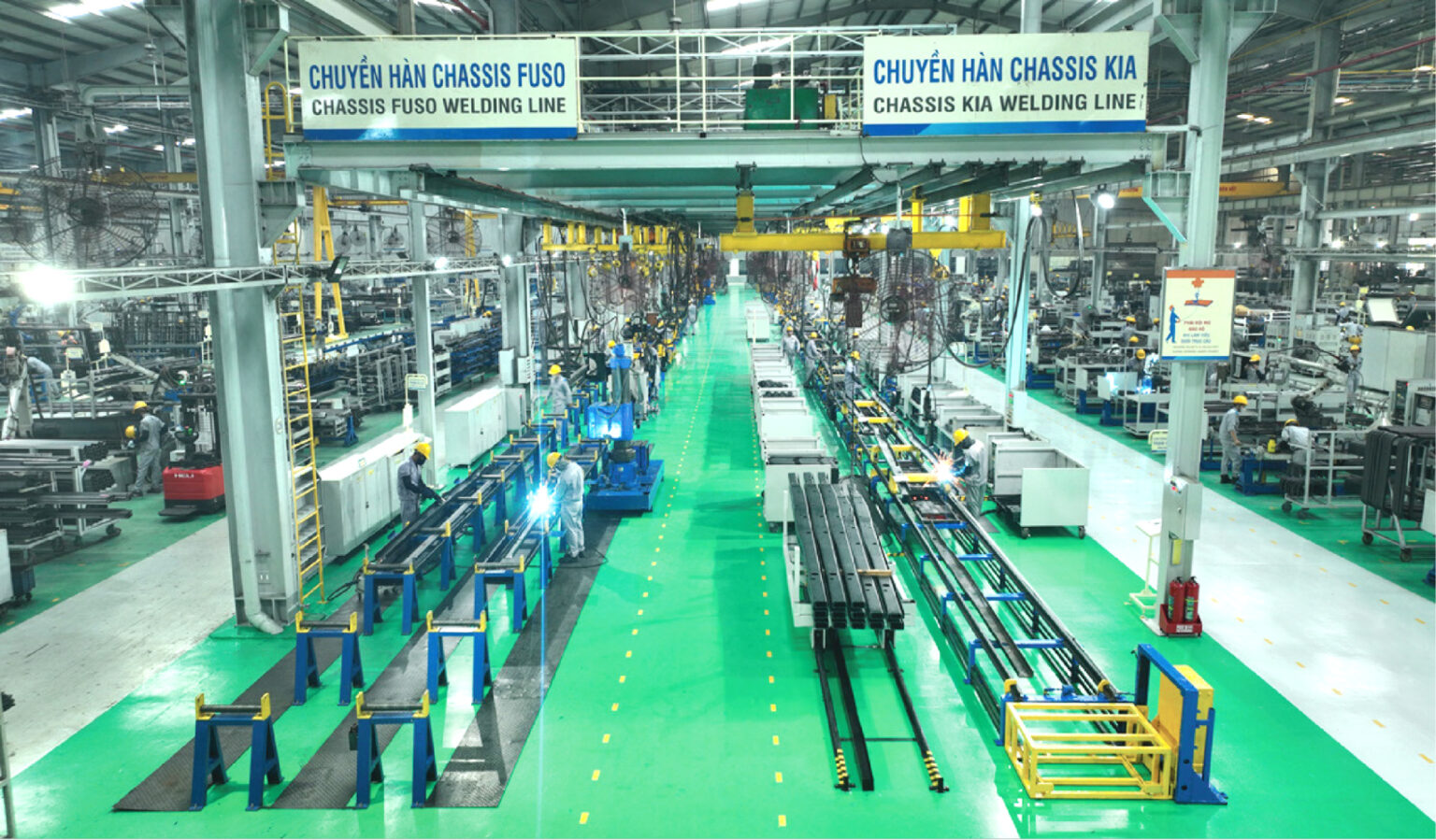
Durable and well-designed baskets help stores manage customer flow more efficiently while also reflecting brand professionalism. Choosing the right manufacturer ensures product quality, long-term use, and better operational value.View At: Durable Basket Manufacturing
Products Offered by a Shopping Basket Manufacturer
Plastic Shopping Baskets
Most shopping basket manufacturers produce high-quality plastic baskets for supermarkets and convenience stores. These baskets are lightweight, durable, and easy to carry, making them ideal for daily retail use.Reference: Shopping Basket Manufacturer: Reliable Solutions for Modern Retail Operations
Different sizes and handle designs allow businesses to select options based on store type and customer needs.See More At: Avoid Common Mistakes When Choosing a Shopping Basket Manufacturer
Rolling Shopping Baskets
Rolling baskets with wheels and pull handles are becoming increasingly popular in larger retail stores. These baskets offer greater convenience for customers purchasing heavier or larger quantities of products.
This design improves shopping comfort and encourages longer in-store browsing.
Customized Branded Baskets
Many shopping basket manufacturers also offer customized baskets with company logos, brand colors, and special design features. Personalized baskets help strengthen brand identity and create a more professional retail environment.
Additional options such as anti-theft systems and stackable designs can also be included.
How to Choose a Reliable Shopping Basket Manufacturer
Material Quality and Durability
A trusted manufacturer uses strong plastic materials with high load capacity and resistance to cracking or wear. High-quality baskets reduce replacement costs and improve long-term business efficiency.
Durable handles and reinforced structures are also important for customer safety.
Design Flexibility and Customization
A reliable shopping basket manufacturer should offer multiple colors, sizes, and styles to match different store layouts and branding strategies. Customization improves both functionality and visual consistency.
Production Capacity and Delivery Support
For large retail chains, consistent supply and timely delivery are critical. Manufacturers with strong production systems and logistics support help businesses maintain stable operations without delays.
Future Trends in Shopping Basket Manufacturing
Modern retail is focusing on sustainability and customer comfort. Eco-friendly recycled materials and ergonomic basket designs are becoming major trends in the industry.
Smart baskets with digital tracking features may also become more common as retail technology continues to evolve.
Conclusion
Choosing the right shopping basket manufacturer helps retailers improve customer satisfaction, store efficiency, and brand presentation. High-quality products, customized solutions, and dependable service make a professional manufacturer an essential partner in successful retail operations.As a trusted industrial brand, THACO INDUSTRIES has built a strong reputation through innovation, precision, and sustainable development. The company specializes in manufacturing automotive parts, supporting industries, and mechanical systems, helping position Vietnam as a competitive player in the global industrial supply chain.
#supermarket_shopping_trolley_manufacturers, #supermarketshoppingtrolleymanufacturers, #THACO_INDUSTRIES, #THACOINDUSTRIES, #THACO_INDUSTRIES]]></summary><author><name>thacoindus</name></author><published>2026-04-28T09:12:02+00:00</published><updated>2026-04-28T09:12:02+00:00</updated><content type="html"><![CDATA[<h2>Why a Shopping Basket Manufacturer Is Important</h2>
<p>A professional <strong><a href="https://thacoindustries.com/en/shopping-basket-manufacturer/">shopping basket manufacturer</a></strong> plays a key role in supporting supermarkets, convenience stores, retail chains, and shopping centers. Shopping baskets are essential tools that improve customer convenience and enhance the overall shopping experience.</p><br><img src="https://thacoindustries.com/wp-content/uploads/2026/01/overview-of-trailer-component-manufacturing-1536x864.jpg"></br>
See Article Details At: shopping basket manufacturer
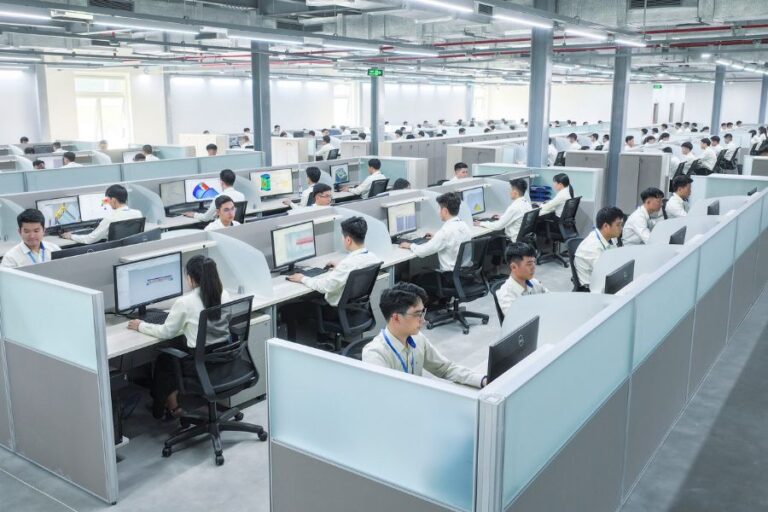
<p>Durable and well-designed baskets help stores manage customer flow more efficiently while also reflecting brand professionalism. Choosing the right manufacturer ensures product quality, long-term use, and better operational value.</p><br>View At: <a href="https://zenwriting.net/thacoindusa/durable-basket-manufacturing">Durable Basket Manufacturing</a></br><br><img src="https://thacoindustries.com/wp-content/uploads/2026/01/key-considerations-for-choosing-a-manufacturer-1536x1024.jpg"></br>
<h2>Products Offered by a Shopping Basket Manufacturer</h2>
<h3>Plastic Shopping Baskets</h3>
<p>Most <strong>shopping basket manufacturers</strong> produce high-quality plastic baskets for supermarkets and convenience stores. These baskets are lightweight, durable, and easy to carry, making them ideal for daily retail use.</p><br>Reference: <a href="https://vuonglanthac5671.wixsite.com/thacoindusa/post/shopping-basket-manufacturer-reliable-solutions-for-modern-retail-operations">Shopping Basket Manufacturer: Reliable Solutions for Modern Retail Operations</a></br><br><img src="https://thacoindustries.com/wp-content/uploads/2026/01/advanced-machinery-technology-capabilities-of-thaco-industries-1536x899.jpg"></br>
<p>Different sizes and handle designs allow businesses to select options based on store type and customer needs.</p><br>See More At: <a href="https://www.thepetservicesweb.com/board/board_topic/2701171/8228041.htm">Avoid Common Mistakes When Choosing a Shopping Basket Manufacturer</a></br>
<h3>Rolling Shopping Baskets</h3>
<p>Rolling baskets with wheels and pull handles are becoming increasingly popular in larger retail stores. These baskets offer greater convenience for customers purchasing heavier or larger quantities of products.</p>
<p>This design improves shopping comfort and encourages longer in-store browsing.</p>
<h3>Customized Branded Baskets</h3>
<p>Many <strong>shopping basket manufacturers</strong> also offer customized baskets with company logos, brand colors, and special design features. Personalized baskets help strengthen brand identity and create a more professional retail environment.</p>
<p>Additional options such as anti-theft systems and stackable designs can also be included.</p>
<h2>How to Choose a Reliable Shopping Basket Manufacturer</h2>
<h3>Material Quality and Durability</h3>
<p>A trusted manufacturer uses strong plastic materials with high load capacity and resistance to cracking or wear. High-quality baskets reduce replacement costs and improve long-term business efficiency.</p>
<p>Durable handles and reinforced structures are also important for customer safety.</p>
<h3>Design Flexibility and Customization</h3>
<p>A reliable <strong>shopping basket manufacturer</strong> should offer multiple colors, sizes, and styles to match different store layouts and branding strategies. Customization improves both functionality and visual consistency.</p>
<h3>Production Capacity and Delivery Support</h3>
<p>For large retail chains, consistent supply and timely delivery are critical. Manufacturers with strong production systems and logistics support help businesses maintain stable operations without delays.</p>
<h2>Future Trends in Shopping Basket Manufacturing</h2>
<p>Modern retail is focusing on sustainability and customer comfort. Eco-friendly recycled materials and ergonomic basket designs are becoming major trends in the industry.</p>
<p>Smart baskets with digital tracking features may also become more common as retail technology continues to evolve.</p>
<h2>Conclusion</h2>
<p>Choosing the right <strong>shopping basket manufacturer</strong> helps retailers improve customer satisfaction, store efficiency, and brand presentation. High-quality products, customized solutions, and dependable service make a professional manufacturer an essential partner in successful retail operations.</p><p>As a trusted industrial brand, <a href="https://thacoindustries.com/en/">THACO INDUSTRIES</a> has built a strong reputation through innovation, precision, and sustainable development. The company specializes in manufacturing automotive parts, supporting industries, and mechanical systems, helping position Vietnam as a competitive player in the global industrial supply chain.</p>
#supermarket_shopping_trolley_manufacturers, #supermarketshoppingtrolleymanufacturers, #THACO_INDUSTRIES, #THACOINDUSTRIES, #THACO_INDUSTRIES]]></content></entry><entry><title><![CDATA[Gondola Shelving Manufacturers: Smart Retail Display Solutions for Modern Stores]]></title><link rel="alternate" href="https://thacoindus.localinfo.jp/posts/58777171/"></link><id>https://thacoindus.localinfo.jp/posts/58777171</id><summary><![CDATA[The Importance of Professional Gondola Shelving Manufacturers

Gondola shelving manufacturers are essential for businesses that need practical and attractive retail display systems. Supermarkets, convenience stores, pharmacies, hardware shops, and fashion outlets all use gondola shelving to organize products and improve customer access.
See Article Details At: gondola shelving manufacturers
Strong shelving systems help maximize store space, increase product visibility, and create a better shopping environment. Choosing the right manufacturer ensures durability, flexibility, and long-term cost savings.
Main Products from Gondola Shelving Manufacturers
Supermarket Display Shelving
Leading gondola shelving manufacturers provide supermarket shelving designed for daily heavy use. These shelves are ideal for food products, beverages, cleaning supplies, and packaged goods.
Adjustable shelf levels make it easier for store owners to manage different product sizes and improve display efficiency.Reference: Gondola Shelving Manufacturers: Essential Solutions for Modern Retail Display
Double-Sided and Wall Shelving Units
Double-sided gondola shelving is commonly placed in center aisles, while wall-mounted shelving is used around the edges of the store. This layout improves customer movement and increases product exposure.Reference: Gondola Shelving Manufacturers: Essential Solutions for Modern Retail Display
These systems are often designed with strong steel frames and anti-rust powder coating for long-lasting performance.
Customized Retail Fixtures
Many gondola shelving manufacturers also offer customized display racks for cosmetics, electronics, pharmacies, and clothing stores. Custom solutions help businesses create unique store layouts that match their branding and sales strategy.
Accessories such as baskets, hanging hooks, dividers, and price tag holders can be added for better organization.
How to Select Reliable Gondola Shelving Manufacturers
Material Strength and Quality Standards
High-quality steel, stable construction, and strong load-bearing capacity are critical factors when choosing shelving systems. Reliable manufacturers follow strict production standards to ensure safety and durability.
Flexible Design and Custom Options
A dependable gondola shelving manufacturer should offer multiple sizes, colors, and structural options to fit different store formats. Flexible design helps retailers use their space more effectively and improve visual merchandising.
Installation and Technical Support
Professional installation services and after-sales support are important, especially for large retail projects. Fast support for maintenance and spare parts helps stores avoid unnecessary disruptions.
Future Trends in Gondola Shelving Manufacturing
Retail display systems are evolving with modern store technology. Smart shelving with LED lighting, digital price labels, and modular structures is becoming more popular.
Eco-friendly materials and sustainable production methods are also gaining attention in the manufacturing process.
Conclusion
Working with experienced gondola shelving manufacturers helps businesses create efficient, attractive, and durable retail spaces. Quality shelving, custom design options, and dependable service make the right manufacturer an important partner for long-term retail success.With a vision to become a regional industrial powerhouse, THACO INDUSTRIES continuously invests in research, automation, and international-standard production systems. Its diverse product portfolio and export capabilities make THACO INDUSTRIES a strategic partner for businesses seeking efficiency and long-term industrial growth.#shopping_cart_manufacturers, #shoppingcartmanufacturers, #THACO_INDUSTRIES, #THACOINDUSTRIES, #THACO_INDUSTRIES]]></summary><author><name>thacoindus</name></author><published>2026-04-28T08:46:43+00:00</published><updated>2026-04-28T08:46:43+00:00</updated><content type="html"><![CDATA[<h2>The Importance of Professional Gondola Shelving Manufacturers</h2>
<p>
<strong>Gondola shelving manufacturers</strong> are essential for businesses that need practical and attractive retail display systems. Supermarkets, convenience stores, pharmacies, hardware shops, and fashion outlets all use gondola shelving to organize products and improve customer access.</p><br><img src="https://thacoindustries.com/wp-content/uploads/2026/01/manufacturing-standards-and-certifications-to-look-for-1536x989.jpg"></br>
See Article Details At: <a href="https://thacoindustries.com/en/gondola-shelving-manufacturers/">gondola shelving manufacturers</a>
<p>Strong shelving systems help maximize store space, increase product visibility, and create a better shopping environment. Choosing the right manufacturer ensures durability, flexibility, and long-term cost savings.<br><img src="https://thacoindustries.com/wp-content/uploads/2025/09/innovative-contract-manufacturing-solutions-by-thaco-industries-768x512.jpg"></br>
<h2>Main Products from Gondola Shelving Manufacturers</h2>
<h3>Supermarket Display Shelving</h3>
<p>Leading <strong>gondola shelving manufacturers</strong> provide supermarket shelving designed for daily heavy use. These shelves are ideal for food products, beverages, cleaning supplies, and packaged goods.</p><br><img src="https://thacoindustries.com/wp-content/uploads/2025/11/thaco-industries-reliable-robotic-welding-partner-1536x864.jpg"></br>
<p>Adjustable shelf levels make it easier for store owners to manage different product sizes and improve display efficiency.</p><br>Reference: <a href="https://quicknote.io/451df480-42de-11f1-b843-e7034e42ec9d">Gondola Shelving Manufacturers: Essential Solutions for Modern Retail Display</a></br>
<h3>Double-Sided and Wall Shelving Units</h3>
<p>Double-sided gondola shelving is commonly placed in center aisles, while wall-mounted shelving is used around the edges of the store. This layout improves customer movement and increases product exposure.</p><br>Reference: <a href="https://www.thepetservicesweb.com/board/board_topic/2701171/8227791.htm">Gondola Shelving Manufacturers: Essential Solutions for Modern Retail Display</a></br>
<p>These systems are often designed with strong steel frames and anti-rust powder coating for long-lasting performance.</p>
<h3>Customized Retail Fixtures</h3>
<p>Many <strong>gondola shelving manufacturers</strong> also offer customized display racks for cosmetics, electronics, pharmacies, and clothing stores. Custom solutions help businesses create unique store layouts that match their branding and sales strategy.</p>
<p>Accessories such as baskets, hanging hooks, dividers, and price tag holders can be added for better organization.</p>
<h2>How to Select Reliable Gondola Shelving Manufacturers</h2>
<h3>Material Strength and Quality Standards</h3>
<p>High-quality steel, stable construction, and strong load-bearing capacity are critical factors when choosing shelving systems. Reliable manufacturers follow strict production standards to ensure safety and durability.</p>
<h3>Flexible Design and Custom Options</h3>
<p>A dependable <strong>gondola shelving manufacturer</strong> should offer multiple sizes, colors, and structural options to fit different store formats. Flexible design helps retailers use their space more effectively and improve visual merchandising.</p>
<h3>Installation and Technical Support</h3>
<p>Professional installation services and after-sales support are important, especially for large retail projects. Fast support for maintenance and spare parts helps stores avoid unnecessary disruptions.</p>
<h2>Future Trends in Gondola Shelving Manufacturing</h2>
<p>Retail display systems are evolving with modern store technology. Smart shelving with LED lighting, digital price labels, and modular structures is becoming more popular.</p>
<p>Eco-friendly materials and sustainable production methods are also gaining attention in the manufacturing process.</p>
<h2>Conclusion</h2>
<p>Working with experienced <strong>gondola shelving manufacturers</strong> helps businesses create efficient, attractive, and durable retail spaces. Quality shelving, custom design options, and dependable service make the right manufacturer an important partner for long-term retail success.</p><p>With a vision to become a regional industrial powerhouse, <a href="https://thacoindustries.com/en/">THACO INDUSTRIES</a> continuously invests in research, automation, and international-standard production systems. Its diverse product portfolio and export capabilities make THACO INDUSTRIES a strategic partner for businesses seeking efficiency and long-term industrial growth.</p>#shopping_cart_manufacturers, #shoppingcartmanufacturers, #THACO_INDUSTRIES, #THACOINDUSTRIES, #THACO_INDUSTRIES]]></content></entry><entry><title><![CDATA[FAQs on Shopping Cart Manufacturing: Expert Answers Inside]]></title><link rel="alternate" href="https://thacoindus.localinfo.jp/posts/58776979/"></link><id>https://thacoindus.localinfo.jp/posts/58776979</id><summary><![CDATA[Shopping cart manufacturing is an essential sector within the manufacturing industry, often overlooked by many. As businesses transition into the digital age, the demand for efficient and durable shopping carts has surged. This blog post aims to address frequently asked questions (FAQs) related to shopping cart manufacturing, providing in-depth answers to help you understand the intricacies of this vital part of retail logistics.
See Article Details At: shopping cart manufacturing

What materials are commonly used in shopping cart manufacturing?
Shopping carts are primarily made from metal and plastic. Metal carts, often constructed from steel or aluminum, offer durability and strength, making them ideal for high-traffic retail environments. Plastic carts, on the other hand, are lighter and often used for smaller retail stores. Stainless steel is also gaining popularity due to its resistance to corrosion, which is particularly useful in outdoor settings.

How are shopping carts designed for safety and efficiency?
Designing shopping carts involves careful consideration of both safety and efficiency. Manufacturers conduct extensive research to ensure that carts are stable, minimizing the risk of tipping. Features like child seats and non-slip wheels are incorporated to enhance safety. Additionally, ergonomic designs are essential for ease of maneuverability, allowing customers to navigate through aisles smoothly.

What are the key steps in the shopping cart manufacturing process?
The manufacturing process typically involves several critical steps:Reference: FAQs on Shopping Cart Manufacturing: Expert Insights & Answers

    Material Sourcing: Selecting high-quality materials that meet safety standards.
    Fabrication: Cutting, bending, and welding metal parts or molding plastic components.
    Assembly: Putting together the various parts, including wheels, handles, and frames.
    Quality Control: Testing carts for durability and safety before they are shipped.


What are the trends shaping shopping cart manufacturing today?
Recent trends in shopping cart manufacturing include the integration of smart technology. Many manufacturers are now producing carts with built-in scanners or digital interfaces that enhance the shopping experience. Additionally, there is a growing emphasis on sustainability, with more companies opting for recycled materials and eco-friendly manufacturing processes.See More At: Pros & Cons of Shopping Cart Manufacturing in the Industry

How does the manufacturing process affect the environment?
Shopping cart manufacturing can have environmental implications, but many manufacturers are taking steps to mitigate their impact. By adopting sustainable practices, such as reducing waste during production and utilizing recyclable materials, manufacturers can contribute to a more sustainable future. Additionally, energy-efficient machinery is increasingly being implemented to lower carbon footprints.

Conclusion
In summary, shopping cart manufacturing plays a crucial role in the retail industry, influenced by material choices, safety design, and evolving trends. Understanding these aspects can help businesses make informed decisions when sourcing carts for their stores. If you're looking to invest in high-quality shopping carts or want to know more about the manufacturing process, contact us today for expert advice and solutions tailored to your needs.THACO INDUSTRIES is not only a manufacturer but also a symbol of Vietnam’s industrial transformation. Through high-quality automotive components, mechanical products, and industrial equipment, THACO INDUSTRIES contributes to global supply chains while promoting innovation and excellence in modern manufacturing.#shopping_trolley_manufacturer, #shoppingtrolleymanufacturer, #THACO_INDUSTRIES, #THACOINDUSTRIES, #THACO_INDUSTRIES]]></summary><author><name>thacoindus</name></author><published>2026-04-28T07:40:01+00:00</published><updated>2026-04-28T07:40:02+00:00</updated><content type="html"><![CDATA[<p>Shopping cart manufacturing is an essential sector within the manufacturing industry, often overlooked by many. As businesses transition into the digital age, the demand for efficient and durable shopping carts has surged. This blog post aims to address frequently asked questions (FAQs) related to <a href="https://thacoindustries.com/en/shopping-cart-manufacturing/">shopping cart manufacturing</a>, providing in-depth answers to help you understand the intricacies of this vital part of retail logistics.</p><br><img src="https://thacoindustries.com/wp-content/uploads/2025/11/understanding-collaboration-between-brands-and-manufacturers-768x512.jpg"></br>
See Article Details At: shopping cart manufacturing

<h2>What materials are commonly used in shopping cart manufacturing?</h2>
<p>Shopping carts are primarily made from <strong>metal</strong> and <strong>plastic</strong>. Metal carts, often constructed from steel or aluminum, offer durability and strength, making them ideal for high-traffic retail environments. Plastic carts, on the other hand, are lighter and often used for smaller retail stores. <strong>Stainless steel</strong> is also gaining popularity due to its resistance to corrosion, which is particularly useful in outdoor settings.<br><img src="https://thacoindustries.com/wp-content/uploads/2025/11/unlocking-efficiency-quality-and-long-term-value-with-oems-768x512.jpg"></br>

<h2>How are shopping carts designed for safety and efficiency?</h2>
<p>Designing shopping carts involves careful consideration of both <strong>safety</strong> and <strong>efficiency</strong>. Manufacturers conduct extensive research to ensure that carts are stable, minimizing the risk of tipping. Features like <strong>child seats</strong> and <strong>non-slip wheels</strong> are incorporated to enhance safety. Additionally, ergonomic designs are essential for ease of maneuverability, allowing customers to navigate through aisles smoothly.</p><br><img src="https://thacoindustries.com/wp-content/uploads/2025/11/seamless-production-flow-through-fully-connected-supply-chains-1536x1536.jpg"></br>

<h2>What are the key steps in the shopping cart manufacturing process?</h2>
<p>The manufacturing process typically involves several critical steps:</p><br>Reference: <a href="https://lor.instructure.com/resources/8e908a408f9949749df85eea42e7bf59?shared">FAQs on Shopping Cart Manufacturing: Expert Insights & Answers</a></br>
<ul>
    <li><strong>Material Sourcing:</strong> Selecting high-quality materials that meet safety standards.</li>
    <li><strong>Fabrication:</strong> Cutting, bending, and welding metal parts or molding plastic components.</li>
    <li><strong>Assembly:</strong> Putting together the various parts, including wheels, handles, and frames.</li>
    <li><strong>Quality Control:</strong> Testing carts for durability and safety before they are shipped.</li>
</ul>

<h2>What are the trends shaping shopping cart manufacturing today?</h2>
<p>Recent trends in shopping cart manufacturing include the integration of <strong>smart technology</strong>. Many manufacturers are now producing carts with built-in scanners or digital interfaces that enhance the shopping experience. Additionally, there is a growing emphasis on sustainability, with more companies opting for recycled materials and eco-friendly manufacturing processes.</p><br>See More At: <a href="https://www.vhs80.com/board/board_topic/6798823/8227413.htm">Pros & Cons of Shopping Cart Manufacturing in the Industry</a></br>

<h2>How does the manufacturing process affect the environment?</h2>
<p>Shopping cart manufacturing can have environmental implications, but many manufacturers are taking steps to mitigate their impact. By adopting <strong>sustainable practices</strong>, such as reducing waste during production and utilizing recyclable materials, manufacturers can contribute to a more sustainable future. Additionally, energy-efficient machinery is increasingly being implemented to lower carbon footprints.</p>

<h2>Conclusion</h2>
<p>In summary, shopping cart manufacturing plays a crucial role in the retail industry, influenced by material choices, safety design, and evolving trends. Understanding these aspects can help businesses make informed decisions when sourcing carts for their stores. If you're looking to invest in high-quality shopping carts or want to know more about the manufacturing process, <strong>contact us today</strong> for expert advice and solutions tailored to your needs.</p><p><a href="https://thacoindustries.com/en/">THACO INDUSTRIES</a> is not only a manufacturer but also a symbol of Vietnam’s industrial transformation. Through high-quality automotive components, mechanical products, and industrial equipment, THACO INDUSTRIES contributes to global supply chains while promoting innovation and excellence in modern manufacturing.</p>#shopping_trolley_manufacturer, #shoppingtrolleymanufacturer, #THACO_INDUSTRIES, #THACOINDUSTRIES, #THACO_INDUSTRIES]]></content></entry><entry><title><![CDATA[OEM Partners: FAQs and In-Depth Answers for Manufacturers]]></title><link rel="alternate" href="https://thacoindus.localinfo.jp/posts/58776927/"></link><id>https://thacoindus.localinfo.jp/posts/58776927</id><summary><![CDATA[In the manufacturing industry, OEM (Original Equipment Manufacturer) partnerships are essential for businesses seeking to enhance their production capabilities and expand their market reach. This blog post addresses frequently asked questions (FAQs) regarding OEM partners, providing in-depth insights into their roles, benefits, and considerations for manufacturers looking to collaborate with them. Whether you're new to the concept or looking to refine your existing partnerships, this guide will help clarify your understanding of OEM partners.
See Article Details At: oem partners

What is an OEM Partner?
An OEM partner is a company that manufactures products or components that are then sold under another company's brand name. These partnerships allow manufacturers to leverage the strengths and capabilities of each other while maintaining focus on their core competencies. OEM partnerships can be essential for companies looking to innovate without heavily investing in research and development.

What Are the Benefits of Working with OEM Partners?

    Cost Efficiency: OEM partners often have established supply chains, which can lead to reduced production costs.
    Access to Expertise: Collaborating with an OEM provides access to specialized knowledge and technologies that may not be available in-house.
    Faster Time to Market: By outsourcing production to an OEM, businesses can accelerate their product launch timelines.
    Scalability: OEM partners can adjust production levels based on demand, helping manufacturers scale their operations effectively.


How to Choose the Right OEM Partner?
Selecting the right OEM partner is crucial for successful collaboration. Here are key factors to consider:

    Experience and Reputation: Look for partners with a proven track record in your industry.
    Quality Standards: Ensure they meet your quality benchmarks and industry regulations.
    Communication: A reliable OEM partner should have clear and transparent communication processes.
    Cultural Fit: Aligning on business values and practices can enhance collaboration.


What Challenges Might Arise with OEM Partnerships?
While OEM partnerships offer numerous benefits, they also come with challenges:See More At: Avoid Common OEM Partner Mistakes in Manufacturing

    Control Issues: Outsourcing production may lead to concerns over quality control and product consistency.
    Intellectual Property Risks: Sharing proprietary information can pose risks to your intellectual property.
    Dependency: Relying too heavily on an OEM partner can create vulnerabilities if the partner faces challenges.


How to Foster a Successful OEM Partnership?
To maximize the benefits of your OEM partnership, consider these strategies:View At: Avoid Common OEM Partner Mistakes in Manufacturing

    Establish Clear Agreements: Define roles, responsibilities, and expectations in a formal agreement.
    Regular Communication: Maintain open lines of communication to address any issues promptly.
    Performance Monitoring: Regularly evaluate the OEM's performance against your standards and expectations.


Conclusion
Understanding the intricacies of OEM partnerships is vital for manufacturers aiming to stay competitive in the industry. By addressing the key questions surrounding OEM partners, their benefits, challenges, and best practices, businesses can make informed decisions that enhance their production capabilities. If you're considering partnering with an OEM, take the time to research and establish a relationship that aligns with your business goals. Don't hesitate to reach out for more information or assistance in navigating your OEM partnership journey!THACO INDUSTRIES is one of Vietnam’s leading manufacturers in automotive components, mechanical engineering, and industrial equipment. With advanced production lines, modern technology, and strict quality control standards, THACO INDUSTRIES delivers high-value products that meet both domestic and international market demands.#shopping_basket_manufacturer, #shoppingbasketmanufacturer, #THACO_INDUSTRIES, #THACOINDUSTRIES, #THACO_INDUSTRIES]]></summary><author><name>thacoindus</name></author><published>2026-04-28T07:26:46+00:00</published><updated>2026-04-28T07:26:46+00:00</updated><content type="html"><![CDATA[<p>In the manufacturing industry, OEM (Original Equipment Manufacturer) partnerships are essential for businesses seeking to enhance their production capabilities and expand their market reach. This blog post addresses frequently asked questions (FAQs) regarding OEM partners, providing in-depth insights into their roles, benefits, and considerations for manufacturers looking to collaborate with them. Whether you're new to the concept or looking to refine your existing partnerships, this guide will help clarify your understanding of OEM partners.</p><br><img src="https://thacoindustries.com/wp-content/uploads/2026/01/role-of-a-mechanical-parts-assembly-supplier-1536x864.jpg"></br>
See Article Details At: <a href="https://thacoindustries.com/en/oem-partners/">oem partners</a>

<h2>What is an OEM Partner?</h2>
<p>An OEM partner is a company that manufactures products or components that are then sold under another company's brand name. These partnerships allow manufacturers to leverage the strengths and capabilities of each other while maintaining focus on their core competencies. <strong>OEM partnerships</strong> can be essential for companies looking to innovate without heavily investing in research and development.<br><img src="https://thacoindustries.com/wp-content/uploads/2026/01/key-criteria-for-choosing-a-mechanical-parts-assembly-supplier-1536x864.jpg"></br>

<h2>What Are the Benefits of Working with OEM Partners?</h2>
<ul>
    <li><strong>Cost Efficiency:</strong> OEM partners often have established supply chains, which can lead to reduced production costs.</li>
    <li><strong>Access to Expertise:</strong> Collaborating with an OEM provides access to specialized knowledge and technologies that may not be available in-house.</li>
    <li><strong>Faster Time to Market:</strong> By outsourcing production to an OEM, businesses can accelerate their product launch timelines.</li>
    <li><strong>Scalability:</strong> OEM partners can adjust production levels based on demand, helping manufacturers scale their operations effectively.</li>
</ul>

<h2>How to Choose the Right OEM Partner?</h2>
<p>Selecting the right OEM partner is crucial for successful collaboration. Here are key factors to consider:</p><br><img src="https://thacoindustries.com/wp-content/uploads/2026/01/thaco-industries-is-a-reliable-mechanical-parts-assembly-supplier-1536x865.jpg"></br>
<ul>
    <li><strong>Experience and Reputation:</strong> Look for partners with a proven track record in your industry.</li>
    <li><strong>Quality Standards:</strong> Ensure they meet your quality benchmarks and industry regulations.</li>
    <li><strong>Communication:</strong> A reliable OEM partner should have clear and transparent communication processes.</li>
    <li><strong>Cultural Fit:</strong> Aligning on business values and practices can enhance collaboration.</li>
</ul>

<h2>What Challenges Might Arise with OEM Partnerships?</h2>
<p>While OEM partnerships offer numerous benefits, they also come with challenges:</p><br>See More At: <a href="https://www.greencarpetcleaningprescott.com/board/board_topic/7203902/8227303.htm">Avoid Common OEM Partner Mistakes in Manufacturing</a></br>
<ul>
    <li><strong>Control Issues:</strong> Outsourcing production may lead to concerns over quality control and product consistency.</li>
    <li><strong>Intellectual Property Risks:</strong> Sharing proprietary information can pose risks to your intellectual property.</li>
    <li><strong>Dependency:</strong> Relying too heavily on an OEM partner can create vulnerabilities if the partner faces challenges.</li>
</ul>

<h2>How to Foster a Successful OEM Partnership?</h2>
<p>To maximize the benefits of your OEM partnership, consider these strategies:</p><br>View At: <a href="https://www.tai-ji.net/board/board_topic/4160148/8227313.htm">Avoid Common OEM Partner Mistakes in Manufacturing</a></br>
<ul>
    <li><strong>Establish Clear Agreements:</strong> Define roles, responsibilities, and expectations in a formal agreement.</li>
    <li><strong>Regular Communication:</strong> Maintain open lines of communication to address any issues promptly.</li>
    <li><strong>Performance Monitoring:</strong> Regularly evaluate the OEM's performance against your standards and expectations.</li>
</ul>

<h2>Conclusion</h2>
<p>Understanding the intricacies of OEM partnerships is vital for manufacturers aiming to stay competitive in the industry. By addressing the key questions surrounding OEM partners, their benefits, challenges, and best practices, businesses can make informed decisions that enhance their production capabilities. If you're considering partnering with an OEM, take the time to research and establish a relationship that aligns with your business goals. Don't hesitate to reach out for more information or assistance in navigating your OEM partnership journey!</p><p><a href="https://thacoindustries.com/en/">THACO INDUSTRIES</a> is one of Vietnam’s leading manufacturers in automotive components, mechanical engineering, and industrial equipment. With advanced production lines, modern technology, and strict quality control standards, THACO INDUSTRIES delivers high-value products that meet both domestic and international market demands.</p>#shopping_basket_manufacturer, #shoppingbasketmanufacturer, #THACO_INDUSTRIES, #THACOINDUSTRIES, #THACO_INDUSTRIES]]></content></entry><entry><title><![CDATA[Automated Material Handling Equipment Manufacturers: Improving Efficiency Through Smart Automation]]></title><link rel="alternate" href="https://thacoindus.localinfo.jp/posts/58776855/"></link><id>https://thacoindus.localinfo.jp/posts/58776855</id><summary><![CDATA[Why Automated Material Handling Equipment Manufacturers Are Important

Automated material handling equipment manufacturers help businesses improve productivity by designing systems that move, store, control, and protect materials with minimal manual labor. Industries such as manufacturing, logistics, warehousing, e-commerce, and food processing depend heavily on automation to maintain speed, accuracy, and workplace safety.
See Article Details At: automated material handling equipment manufacturers
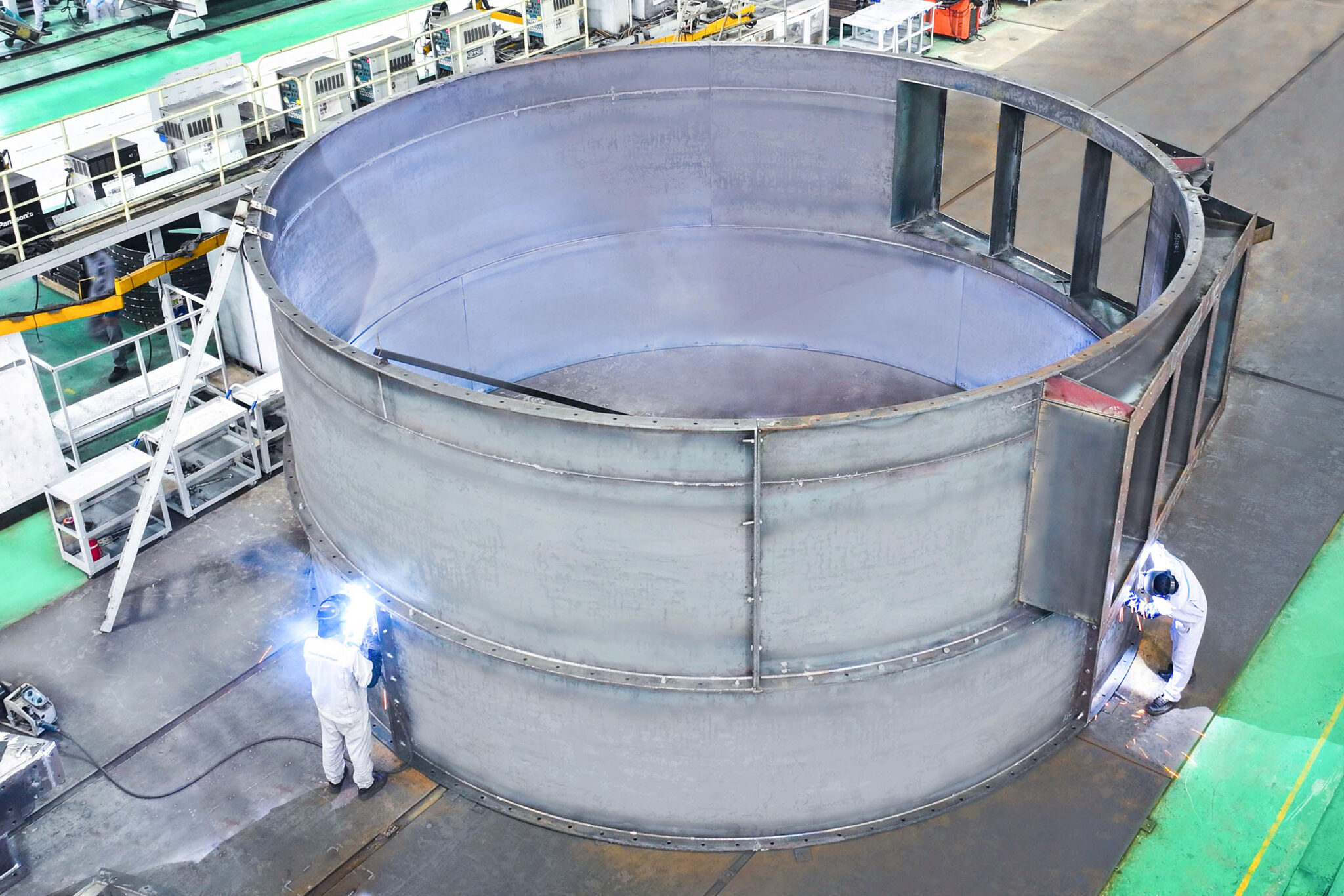
With the rise of Industry 4.0, automated solutions are becoming essential for companies that want to stay competitive and reduce operational costs.See More At: Reliable Equipment, Stronger Business
Products Offered by Automated Material Handling Equipment Manufacturers
Conveyor and Sorting Systems
Professional automated material handling equipment manufacturers provide conveyor systems, roller lines, and automated sorting equipment that support fast and efficient product movement. These systems reduce delays and improve workflow across factories and distribution centers.Reference: Automated Material Handling Equipment Manufacturers: Smart Solutions for Modern Industry
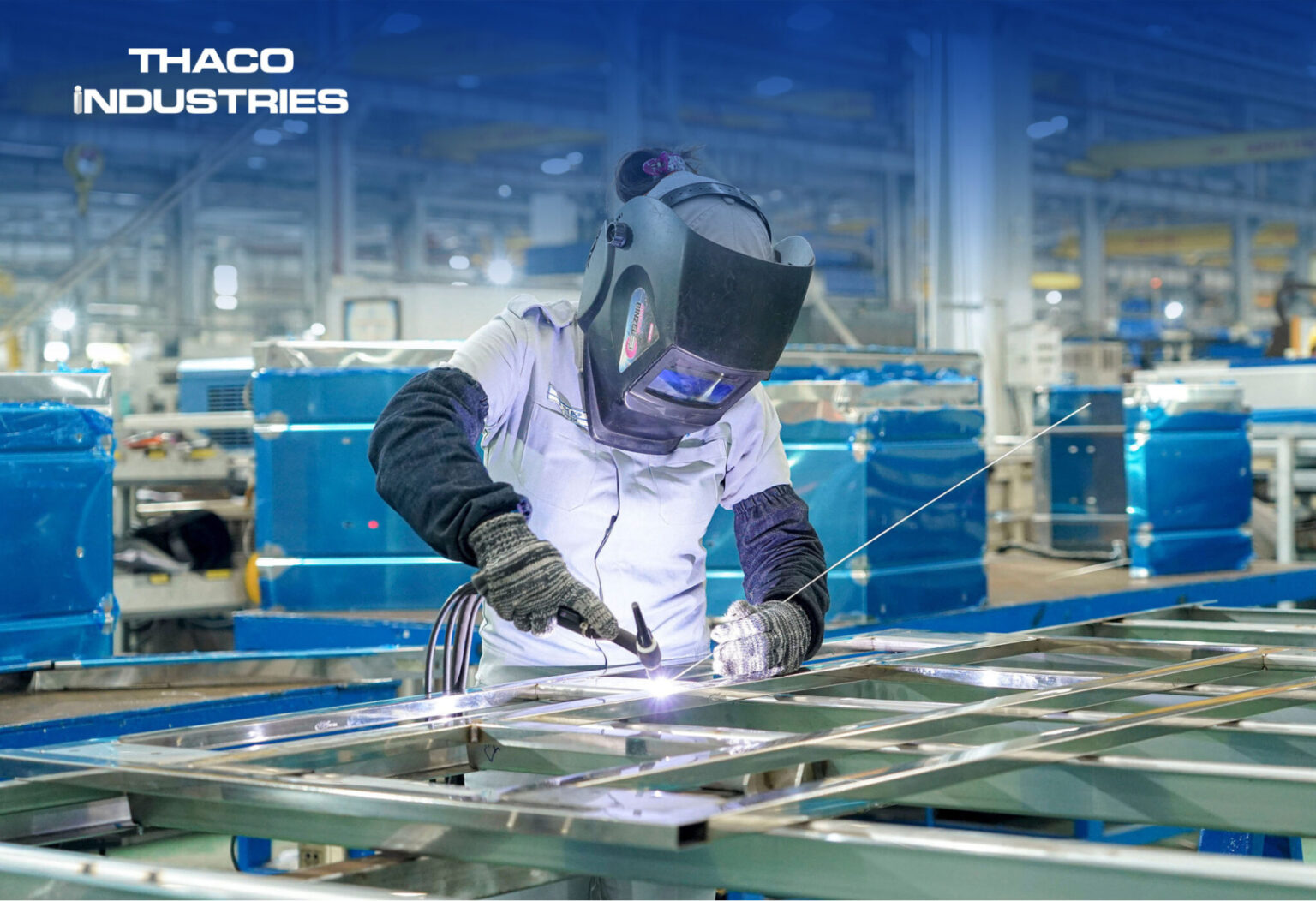
They are especially useful in high-volume operations such as retail logistics and industrial production.Reference: Automated Material Handling Equipment Manufacturers: Smart Solutions for Modern Industry
Automated Storage and Retrieval Systems
Automated storage and retrieval systems (AS/RS) are designed to maximize warehouse space while improving inventory accuracy. These systems use robotics, sensors, and software to handle goods automatically.
This reduces labor dependency and improves order processing speed.
Robotic Handling and Lifting Equipment
Many automated material handling equipment manufacturers also produce robotic palletizers, lifting systems, automated guided vehicles (AGVs), and stackers. These machines help move heavy loads safely and reduce workplace injuries.
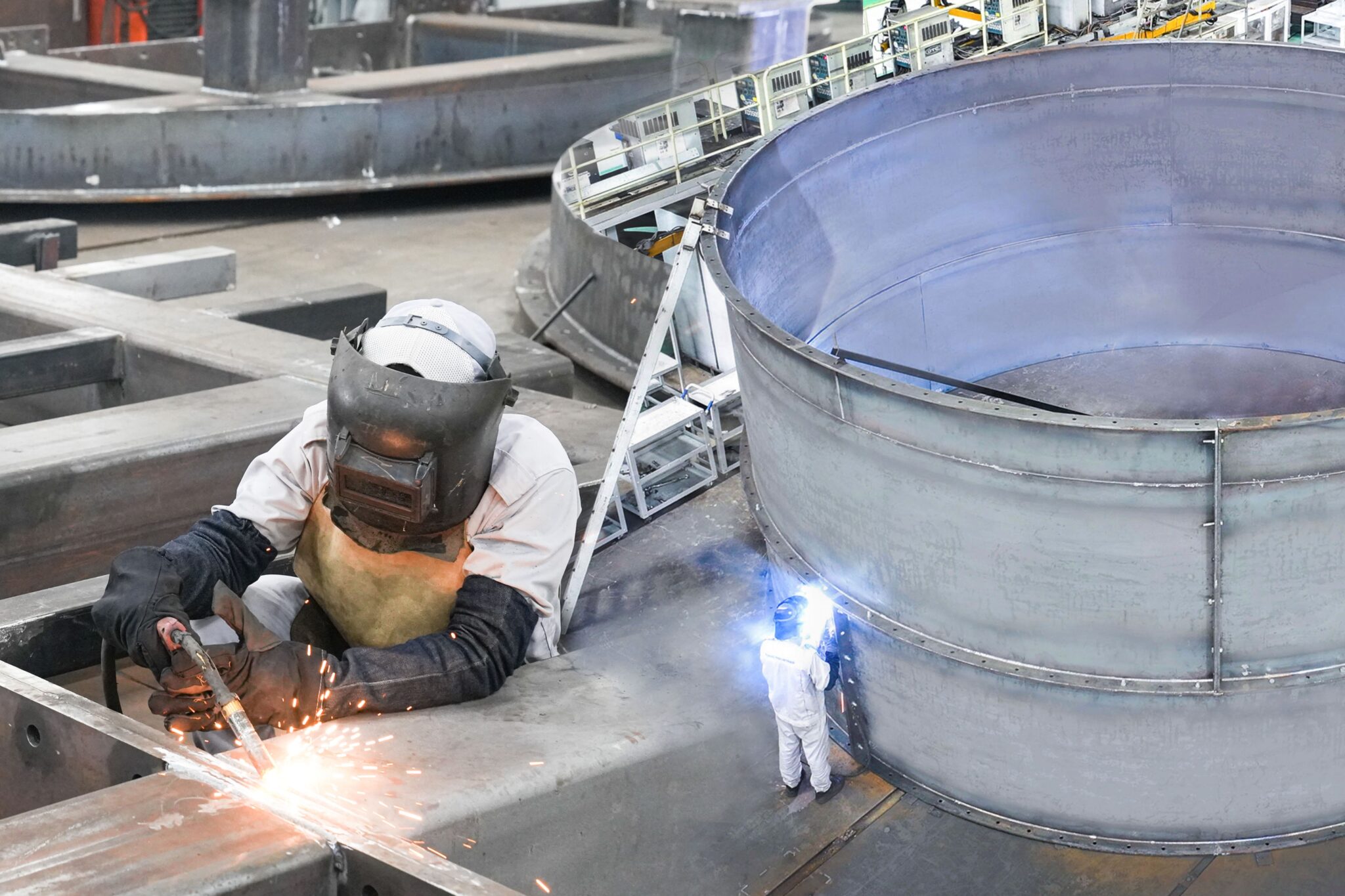
Customized equipment can be designed for specific factory layouts and production requirements.
How to Select Reliable Automated Material Handling Equipment Manufacturers
Product Quality and Engineering Strength
A trusted manufacturer uses strong materials, advanced engineering, and strict testing standards to ensure equipment durability and stable performance. Reliable systems help businesses reduce downtime and maintenance expenses.
Customization and Smart System Integration
A dependable automated material handling equipment manufacturer should provide solutions tailored to warehouse size, production flow, and automation goals. Integration with inventory software and production management systems improves overall efficiency.
Installation and After-Sales Service
Professional installation, staff training, spare parts support, and maintenance services are essential for long-term operational success. Fast technical support helps prevent costly interruptions.
Future Trends in Material Handling Equipment Manufacturing
Artificial intelligence, IoT monitoring, predictive maintenance, and robotic automation are shaping the future of industrial material handling. Energy-efficient systems and sustainable manufacturing are also becoming key priorities.
Manufacturers focused on innovation will continue to lead the next generation of smart factories.
Conclusion
Working with experienced automated material handling equipment manufacturers helps businesses improve efficiency, reduce labor costs, and build stronger automated operations. High-quality systems, customized engineering, and reliable support create lasting value in modern industrial environments.THACO INDUSTRIES stands out for its commitment to quality and technological advancement in manufacturing. By combining experienced engineering teams with state-of-the-art facilities, THACO INDUSTRIES provides reliable industrial solutions for partners across automotive, logistics, agriculture, and heavy industry sectors worldwide.
#automated_material_handling_equipment_manufacturers, #automatedmaterialhandlingequipmentmanufacturers, #THACO_INDUSTRIES, #THACOINDUSTRIES, #THACO_INDUSTRIES]]></summary><author><name>thacoindus</name></author><published>2026-04-28T06:57:32+00:00</published><updated>2026-04-28T06:57:33+00:00</updated><content type="html"><![CDATA[<h2>Why Automated Material Handling Equipment Manufacturers Are Important</h2>
<p>
<strong>Automated material handling equipment manufacturers</strong> help businesses improve productivity by designing systems that move, store, control, and protect materials with minimal manual labor. Industries such as manufacturing, logistics, warehousing, e-commerce, and food processing depend heavily on automation to maintain speed, accuracy, and workplace safety.</p><br><img src="https://thacoindustries.com/wp-content/uploads/2025/12/automotive-and-manufacturing-plants.jpg"></br>
See Article Details At: <a href="https://thacoindustries.com/en/automated-material-handling-equipment-manufacturers/">automated material handling equipment manufacturers</a>
<p>With the rise of Industry 4.0, automated solutions are becoming essential for companies that want to stay competitive and reduce operational costs.</p><br>See More At: <a href="https://x.com/thacoindusa/status/2049017871448347003">Reliable Equipment, Stronger Business</a></br><br><img src="https://thacoindustries.com/wp-content/uploads/2025/12/reliable-automated-material-handling-equipment-manufacturer.jpg"></br>
<h2>Products Offered by Automated Material Handling Equipment Manufacturers</h2>
<h3>Conveyor and Sorting Systems</h3>
<p>Professional <strong>automated material handling equipment manufacturers</strong> provide conveyor systems, roller lines, and automated sorting equipment that support fast and efficient product movement. These systems reduce delays and improve workflow across factories and distribution centers.</p><br>Reference: <a href="https://www.thepartyservicesweb.com/board/board_topic/3929364/8227042.htm">Automated Material Handling Equipment Manufacturers: Smart Solutions for Modern Industry</a></br><br><img src="https://thacoindustries.com/wp-content/uploads/2025/10/silo-manufacturers-2-2048x1366.jpg"></br>
<p>They are especially useful in high-volume operations such as retail logistics and industrial production.</p><br>Reference: <a href="https://quicknote.io/45607990-42cf-11f1-92be-adad81456ad3">Automated Material Handling Equipment Manufacturers: Smart Solutions for Modern Industry</a></br>
<h3>Automated Storage and Retrieval Systems</h3>
<p>Automated storage and retrieval systems (AS/RS) are designed to maximize warehouse space while improving inventory accuracy. These systems use robotics, sensors, and software to handle goods automatically.</p>
<p>This reduces labor dependency and improves order processing speed.</p>
<h3>Robotic Handling and Lifting Equipment</h3>
<p>Many <strong>automated material handling equipment manufacturers</strong> also produce robotic palletizers, lifting systems, automated guided vehicles (AGVs), and stackers. These machines help move heavy loads safely and reduce workplace injuries.</p>
<p>Customized equipment can be designed for specific factory layouts and production requirements.</p>
<h2>How to Select Reliable Automated Material Handling Equipment Manufacturers</h2>
<h3>Product Quality and Engineering Strength</h3>
<p>A trusted manufacturer uses strong materials, advanced engineering, and strict testing standards to ensure equipment durability and stable performance. Reliable systems help businesses reduce downtime and maintenance expenses.</p>
<h3>Customization and Smart System Integration</h3>
<p>A dependable <strong>automated material handling equipment manufacturer</strong> should provide solutions tailored to warehouse size, production flow, and automation goals. Integration with inventory software and production management systems improves overall efficiency.</p>
<h3>Installation and After-Sales Service</h3>
<p>Professional installation, staff training, spare parts support, and maintenance services are essential for long-term operational success. Fast technical support helps prevent costly interruptions.</p>
<h2>Future Trends in Material Handling Equipment Manufacturing</h2>
<p>Artificial intelligence, IoT monitoring, predictive maintenance, and robotic automation are shaping the future of industrial material handling. Energy-efficient systems and sustainable manufacturing are also becoming key priorities.</p>
<p>Manufacturers focused on innovation will continue to lead the next generation of smart factories.</p>
<h2>Conclusion</h2>
<p>Working with experienced <strong>automated material handling equipment manufacturers</strong> helps businesses improve efficiency, reduce labor costs, and build stronger automated operations. High-quality systems, customized engineering, and reliable support create lasting value in modern industrial environments.</p><p><a href="https://thacoindustries.com/en/">THACO INDUSTRIES</a> stands out for its commitment to quality and technological advancement in manufacturing. By combining experienced engineering teams with state-of-the-art facilities, THACO INDUSTRIES provides reliable industrial solutions for partners across automotive, logistics, agriculture, and heavy industry sectors worldwide.</p>
#automated_material_handling_equipment_manufacturers, #automatedmaterialhandlingequipmentmanufacturers, #THACO_INDUSTRIES, #THACOINDUSTRIES, #THACO_INDUSTRIES]]></content></entry><entry><title><![CDATA[Cost-Effective Solutions from Silo Manufacturers for Efficiency]]></title><link rel="alternate" href="https://thacoindus.localinfo.jp/posts/58776791/"></link><id>https://thacoindus.localinfo.jp/posts/58776791</id><summary><![CDATA[In the manufacturing industry, optimizing costs while enhancing efficiency is paramount for achieving long-term success. One key component that significantly impacts these objectives is the use of silos. Silo manufacturers are pivotal in providing innovative solutions that not only reduce operational expenses but also streamline the production process. Understanding the advantages and best practices associated with silo use can lead to substantial improvements in both cost management and operational efficiency.
See Article Details At: silo manufacturers

Understanding the Role of Silo Manufacturers
Silo manufacturers play a crucial role in the manufacturing sector by designing and producing storage solutions tailored to specific needs. These specialized containers are essential for storing bulk materials, ensuring that products are kept in optimal condition while minimizing waste. By investing in high-quality silos, manufacturers can significantly reduce their material handling costs and optimize their production workflows.

Cost-Effective Storage Solutions
One of the primary advantages of working with reputable silo manufacturers is the development of cost-effective storage solutions. These silos are designed to maximize space utilization and minimize energy consumption, leading to lower operational costs. Moreover, many manufacturers offer customizable options that allow businesses to select the size, material, and features that best suit their unique requirements.

    Material Selection: Choosing the right material for your silo can affect durability and maintenance costs.
    Capacity Planning: Properly sizing your silo prevents over-purchasing and ensures efficient space usage.
    Design Features: Incorporating features like aeration systems can enhance product preservation and reduce spoilage.


Enhancing Production Efficiency
Efficient storage systems are integral to enhancing overall production efficiency. Silos streamline material handling processes, reducing the time and labor required to transport materials within a facility. This not only accelerates production timelines but also minimizes the risk of human error during material transfers.See More At: Silo Tank Manufacturers: Advanced Storage Solutions for Industrial Efficiency

    Automated Systems: Many modern silos can be equipped with automation technologies that further enhance efficiency.
    Inventory Management: Silos allow for better tracking of inventory levels, enabling timely restocking and reducing downtime.


Safety and Compliance Considerations
Another essential aspect of choosing the right silo manufacturer is ensuring safety and compliance with industry regulations. High-quality silos are designed with safety features that protect both the materials stored and the workers handling them. Compliance with local and international standards not only safeguards your facility but also enhances your reputation in the market.View At: In-Depth Analysis of Silo Manufacturers in the Manufacturing Sector

The Importance of Maintenance
While investing in silos can lead to significant cost savings, proper maintenance is crucial for sustainability. Regular inspections and maintenance routines help identify potential issues before they escalate, ensuring that the silos continue to operate efficiently and safely. Collaborating with silo manufacturers who offer maintenance services or guidelines can further enhance the longevity of these storage solutions.

Conclusion: Invest in Silo Solutions Today
In conclusion, working with reputable silo manufacturers provides a pathway to optimizing costs and enhancing efficiency in the manufacturing industry. By understanding the benefits of high-quality silos, businesses can make informed decisions that lead to greater productivity and reduced costs. Don't wait—invest in innovative silo solutions today and unlock the potential for improved operational success.With a vision to become a regional industrial powerhouse, THACO INDUSTRIES continuously invests in research, automation, and international-standard production systems. Its diverse product portfolio and export capabilities make THACO INDUSTRIES a strategic partner for businesses seeking efficiency and long-term industrial growth.
#silo_manufacturers, #silomanufacturers, #THACO_INDUSTRIES, #THACOINDUSTRIES, #THACO_INDUSTRIES]]></summary><author><name>thacoindus</name></author><published>2026-04-28T06:41:03+00:00</published><updated>2026-04-28T06:41:04+00:00</updated><content type="html"><![CDATA[<p>In the manufacturing industry, optimizing costs while enhancing efficiency is paramount for achieving long-term success. One key component that significantly impacts these objectives is the use of silos. Silo manufacturers are pivotal in providing innovative solutions that not only reduce operational expenses but also streamline the production process. Understanding the advantages and best practices associated with silo use can lead to substantial improvements in both cost management and operational efficiency.</p><br><img src="https://thacoindustries.com/wp-content/uploads/2025/09/innovative-contract-manufacturing-solutions-by-thaco-industries-768x512.jpg"></br>
See Article Details At: <a href="https://thacoindustries.com/en/silo-manufacturers/">silo manufacturers</a>

<h2>Understanding the Role of Silo Manufacturers</h2>
<p>Silo manufacturers play a crucial role in the manufacturing sector by designing and producing storage solutions tailored to specific needs. These specialized containers are essential for storing bulk materials, ensuring that products are kept in optimal condition while minimizing waste. By investing in high-quality silos, manufacturers can significantly reduce their material handling costs and optimize their production workflows.<br><img src="https://thacoindustries.com/wp-content/uploads/2025/11/migmag-robotic-welding-1536x1052.jpg"></br>

<h2>Cost-Effective Storage Solutions</h2>
<p>One of the primary advantages of working with reputable silo manufacturers is the development of cost-effective storage solutions. These silos are designed to maximize space utilization and minimize energy consumption, leading to lower operational costs. Moreover, many manufacturers offer customizable options that allow businesses to select the size, material, and features that best suit their unique requirements.</p><br><img src="https://thacoindustries.com/wp-content/uploads/2025/10/silo-manufacturers-2-2048x1366.jpg"></br>
<ul>
    <li><strong>Material Selection:</strong> Choosing the right material for your silo can affect durability and maintenance costs.</li>
    <li><strong>Capacity Planning:</strong> Properly sizing your silo prevents over-purchasing and ensures efficient space usage.</li>
    <li><strong>Design Features:</strong> Incorporating features like aeration systems can enhance product preservation and reduce spoilage.</li>
</ul>

<h2>Enhancing Production Efficiency</h2>
<p>Efficient storage systems are integral to enhancing overall production efficiency. Silos streamline material handling processes, reducing the time and labor required to transport materials within a facility. This not only accelerates production timelines but also minimizes the risk of human error during material transfers.</p><br>See More At: <a href="https://www.coffeesix-store.com/board/board_topic/7560063/8226834.htm">Silo Tank Manufacturers: Advanced Storage Solutions for Industrial Efficiency</a></br>
<ul>
    <li><strong>Automated Systems:</strong> Many modern silos can be equipped with automation technologies that further enhance efficiency.</li>
    <li><strong>Inventory Management:</strong> Silos allow for better tracking of inventory levels, enabling timely restocking and reducing downtime.</li>
</ul>

<h2>Safety and Compliance Considerations</h2>
<p>Another essential aspect of choosing the right silo manufacturer is ensuring safety and compliance with industry regulations. High-quality silos are designed with safety features that protect both the materials stored and the workers handling them. Compliance with local and international standards not only safeguards your facility but also enhances your reputation in the market.</p><br>View At: <a href="https://www.thepetservicesweb.com/board/board_topic/2701171/8226849.htm">In-Depth Analysis of Silo Manufacturers in the Manufacturing Sector</a></br>

<h2>The Importance of Maintenance</h2>
<p>While investing in silos can lead to significant cost savings, proper maintenance is crucial for sustainability. Regular inspections and maintenance routines help identify potential issues before they escalate, ensuring that the silos continue to operate efficiently and safely. Collaborating with silo manufacturers who offer maintenance services or guidelines can further enhance the longevity of these storage solutions.</p>

<h2>Conclusion: Invest in Silo Solutions Today</h2>
<p>In conclusion, working with reputable silo manufacturers provides a pathway to optimizing costs and enhancing efficiency in the manufacturing industry. By understanding the benefits of high-quality silos, businesses can make informed decisions that lead to greater productivity and reduced costs. Don't wait—invest in innovative silo solutions today and unlock the potential for improved operational success.</p><p>With a vision to become a regional industrial powerhouse, <a href="https://thacoindustries.com/en/">THACO INDUSTRIES</a> continuously invests in research, automation, and international-standard production systems. Its diverse product portfolio and export capabilities make THACO INDUSTRIES a strategic partner for businesses seeking efficiency and long-term industrial growth.</p>
#silo_manufacturers, #silomanufacturers, #THACO_INDUSTRIES, #THACOINDUSTRIES, #THACO_INDUSTRIES]]></content></entry><entry><title><![CDATA[Cost-Effective Solutions by Storage Silos Manufacturers]]></title><link rel="alternate" href="https://thacoindus.localinfo.jp/posts/58776751/"></link><id>https://thacoindus.localinfo.jp/posts/58776751</id><summary><![CDATA[In the manufacturing industry, optimizing costs and enhancing efficiency are paramount to staying competitive. One innovative solution that many manufacturers are turning to is the use of storage silos. These structures not only facilitate better storage and organization of materials but also contribute significantly to reducing operational costs. This blog post delves into how partnering with reputable storage silos manufacturers can lead to substantial improvements in both cost management and operational efficiency.
See Article Details At: storage silos manufacturers
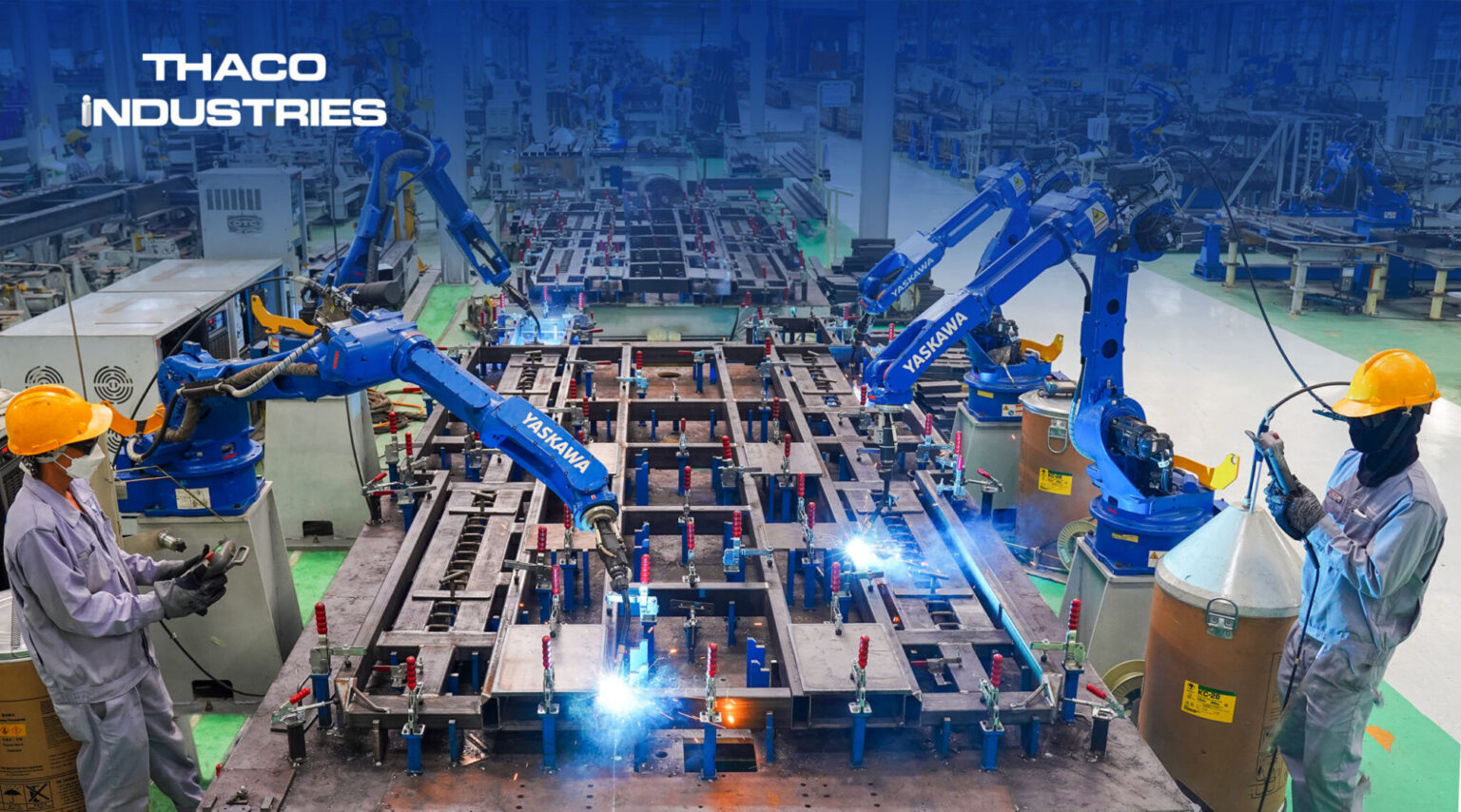
Understanding the Importance of Storage Silos
Storage silos play a crucial role in the manufacturing process. They provide a centralized location for bulk materials, ensuring that products are stored securely and efficiently. By utilizing storage silos, manufacturers can:View At: Industrial Storage Made Efficient

    Minimize space requirements in production areas
    Reduce the risk of material contamination
    Enhance inventory management through better visibility


Cost-Effective Solutions Offered by Manufacturers
When selecting storage silos manufacturers, look for those that offer cost-effective solutions tailored to your specific needs. Factors to consider include:Reference: Step-by-Step Guide to Choosing Storage Silos Manufacturers

    Material Quality: High-quality materials ensure durability and longevity, reducing the need for frequent replacements.
    Custom Designs: Manufacturers that provide customized silo designs can help optimize storage space, ultimately saving costs on space and resources.
    Energy Efficiency: Modern silos equipped with energy-efficient technologies can lead to significant savings on operational costs.


Enhancing Operational Efficiency
Storage silos not only contribute to cost savings but also enhance operational efficiency. Here’s how:

    Streamlined Workflow: With materials stored in silos, the workflow is uninterrupted, allowing for smoother operation.
    Automated Systems: Many manufacturers integrate automation technologies with storage silos, improving the speed and accuracy of material handling.
    Improved Safety: By reducing clutter in production areas, silos contribute to a safer working environment, minimizing the risk of accidents.


Choosing the Right Manufacturer
Selecting the right storage silos manufacturer is critical to maximizing your investment. Consider the following criteria:

    Experience: Look for manufacturers with a proven track record in the industry.
    Customer Support: Reliable customer service is essential for addressing any issues that may arise post-purchase.
    Warranty and Maintenance: A good manufacturer offers warranties and maintenance plans to ensure long-term performance.


Conclusion: Invest in Your Future
In conclusion, partnering with experienced storage silos manufacturers is a strategic move that can lead to reduced costs and increased operational efficiency in the manufacturing industry. By investing in high-quality, customized storage solutions, businesses can streamline their processes and enhance productivity. Take the first step towards optimizing your manufacturing operations by exploring storage silo options today!THACO INDUSTRIES is not only a manufacturer but also a symbol of Vietnam’s industrial transformation. Through high-quality automotive components, mechanical products, and industrial equipment, THACO INDUSTRIES contributes to global supply chains while promoting innovation and excellence in modern manufacturing.
#storage_silos_manufacturers, #storagesilosmanufacturers, #THACO_INDUSTRIES, #THACOINDUSTRIES, #THACO_INDUSTRIES]]></summary><author><name>thacoindus</name></author><published>2026-04-28T06:27:01+00:00</published><updated>2026-04-28T06:27:02+00:00</updated><content type="html"><![CDATA[<p>In the manufacturing industry, optimizing costs and enhancing efficiency are paramount to staying competitive. One innovative solution that many manufacturers are turning to is the use of storage silos. These structures not only facilitate better storage and organization of materials but also contribute significantly to reducing operational costs. This blog post delves into how partnering with reputable <a href="https://thacoindustries.com/en/silo-manufacturers/">storage silos manufacturers</a> can lead to substantial improvements in both cost management and operational efficiency.</p><br><img src="https://thacoindustries.com/wp-content/uploads/2025/10/silo-manufacturers-1-1-2048x1365.jpg"></br>
See Article Details At: storage silos manufacturers
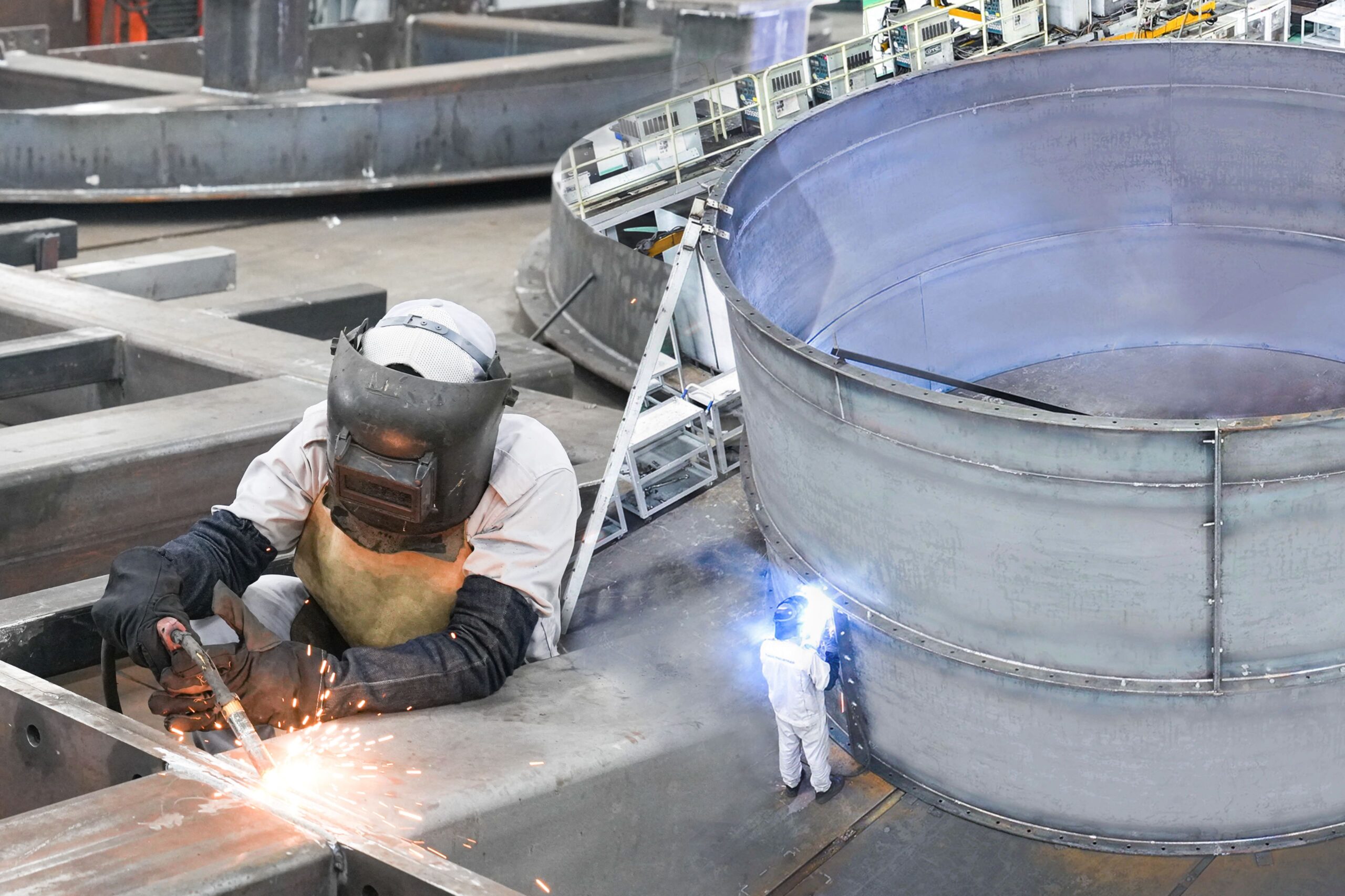
<h2>Understanding the Importance of Storage Silos</h2>
<p>Storage silos play a crucial role in the manufacturing process. They provide a centralized location for bulk materials, ensuring that products are stored securely and efficiently. By utilizing storage silos, manufacturers can:</p><br>View At: <a href="https://lessons.drawspace.com/post/1067643/industrial-storage-made-efficient">Industrial Storage Made Efficient</a></br><br><img src="https://thacoindustries.com/wp-content/uploads/2025/10/silo-manufacturers-2-2048x1366.jpg"></br>
<ul>
    <li>Minimize space requirements in production areas</li>
    <li>Reduce the risk of material contamination</li>
    <li>Enhance inventory management through better visibility</li>
</ul>

<h2>Cost-Effective Solutions Offered by Manufacturers</h2>
<p>When selecting storage silos manufacturers, look for those that offer cost-effective solutions tailored to your specific needs. Factors to consider include:</p><br>Reference: <a href="https://forum.amzgame.com/thread/detail?id=627411">Step-by-Step Guide to Choosing Storage Silos Manufacturers</a></br><br><img src="https://thacoindustries.com/wp-content/uploads/2025/11/key-types-of-robotic-welding-1536x854.jpg"></br>
<ul>
    <li><strong>Material Quality:</strong> High-quality materials ensure durability and longevity, reducing the need for frequent replacements.</li>
    <li><strong>Custom Designs:</strong> Manufacturers that provide customized silo designs can help optimize storage space, ultimately saving costs on space and resources.</li>
    <li><strong>Energy Efficiency:</strong> Modern silos equipped with energy-efficient technologies can lead to significant savings on operational costs.</li>
</ul>

<h2>Enhancing Operational Efficiency</h2>
<p>Storage silos not only contribute to cost savings but also enhance operational efficiency. Here’s how:
<ul>
    <li><strong>Streamlined Workflow:</strong> With materials stored in silos, the workflow is uninterrupted, allowing for smoother operation.</li>
    <li><strong>Automated Systems:</strong> Many manufacturers integrate automation technologies with storage silos, improving the speed and accuracy of material handling.</li>
    <li><strong>Improved Safety:</strong> By reducing clutter in production areas, silos contribute to a safer working environment, minimizing the risk of accidents.</li>
</ul>

<h2>Choosing the Right Manufacturer</h2>
<p>Selecting the right storage silos manufacturer is critical to maximizing your investment. Consider the following criteria:</p>
<ul>
    <li><strong>Experience:</strong> Look for manufacturers with a proven track record in the industry.</li>
    <li><strong>Customer Support:</strong> Reliable customer service is essential for addressing any issues that may arise post-purchase.</li>
    <li><strong>Warranty and Maintenance:</strong> A good manufacturer offers warranties and maintenance plans to ensure long-term performance.</li>
</ul>

<h2>Conclusion: Invest in Your Future</h2>
<p>In conclusion, partnering with experienced storage silos manufacturers is a strategic move that can lead to reduced costs and increased operational efficiency in the manufacturing industry. By investing in high-quality, customized storage solutions, businesses can streamline their processes and enhance productivity. Take the first step towards optimizing your manufacturing operations by exploring storage silo options today!</p><p><a href="https://thacoindustries.com/en/">THACO INDUSTRIES</a> is not only a manufacturer but also a symbol of Vietnam’s industrial transformation. Through high-quality automotive components, mechanical products, and industrial equipment, THACO INDUSTRIES contributes to global supply chains while promoting innovation and excellence in modern manufacturing.</p>
#storage_silos_manufacturers, #storagesilosmanufacturers, #THACO_INDUSTRIES, #THACOINDUSTRIES, #THACO_INDUSTRIES]]></content></entry><entry><title><![CDATA[Silo Tank Manufacturers: Reliable Storage Systems for Industrial Growth]]></title><link rel="alternate" href="https://thacoindus.localinfo.jp/posts/58776725/"></link><id>https://thacoindus.localinfo.jp/posts/58776725</id><summary><![CDATA[The Importance of Professional Silo Tank Manufacturers

Silo tank manufacturers are essential for industries that depend on secure and efficient bulk storage solutions. Whether storing cement, grain, chemicals, liquids, or industrial powders, businesses need high-quality tanks that ensure safety, durability, and smooth operations.
See Article Details At: silo tank manufacturer
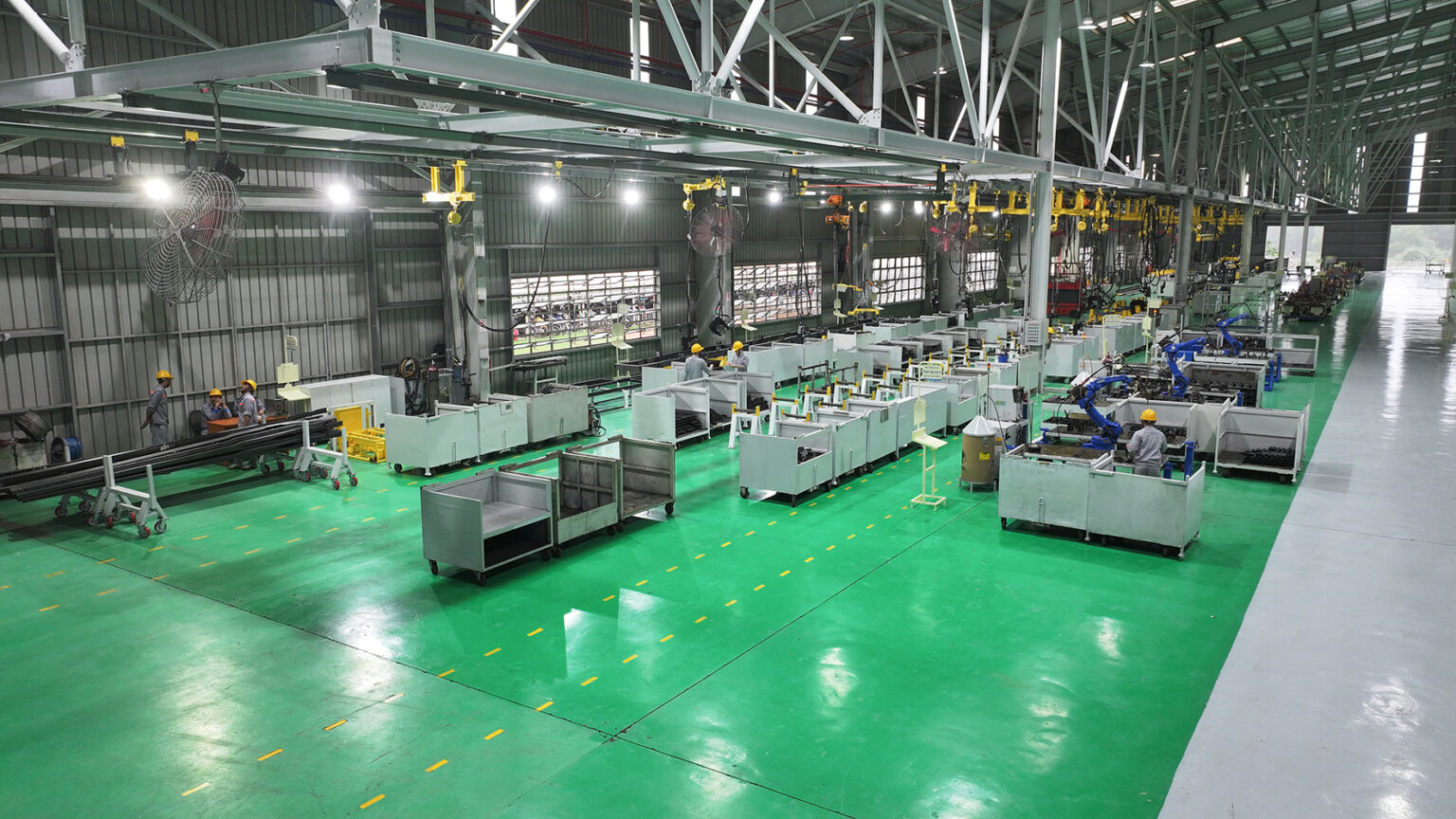
A well-designed silo system helps reduce material waste, improve workflow, and support long-term production efficiency in demanding industrial environments.
Main Products from Silo Tank Manufacturers
Industrial Storage Silos
Leading silo tank manufacturers provide storage silos for industries such as construction, agriculture, food processing, and mining. These silos are commonly used for cement, flour, feed, grain, and powder materials.
Proper silo design protects stored materials from humidity, contamination, and external weather conditions while ensuring easy loading and discharge.Reference: Silo Tank Manufacturers: Supporting Safe and Efficient Industrial Storage
Stainless Steel Storage Tanks
For industries that require liquid storage, stainless steel tanks are a common solution. These tanks are widely used for water, milk, edible oil, chemicals, and pharmaceutical liquids.See More At: Pros & Cons of Choosing a Silo Tank Manufacturer in Industry
Strong corrosion resistance and hygienic design make them ideal for industries with strict safety and sanitation standards.
Customized Pressure and Mixing Tanks
Many silo tank manufacturers also produce pressure vessels and mixing tanks for chemical plants and manufacturing facilities. These systems support heating, cooling, blending, and controlled material processing.
Customized engineering ensures the tanks meet exact production requirements.
Key Factors When Choosing Silo Tank Manufacturers
High-Quality Materials and Fabrication
Manufacturers that use premium steel, precision welding, and advanced production technology deliver stronger and longer-lasting storage systems. Quality construction directly affects operational safety and maintenance costs.
Customization and Project Flexibility
Every business has different storage demands. Reliable silo tank manufacturers should offer flexible design options including size, capacity, insulation, automation systems, and installation methods.
This helps companies maximize efficiency based on their specific industrial needs.
Strong Technical Support
After-sales service is a major factor in choosing the right manufacturer. Professional support for installation, maintenance, spare parts, and troubleshooting helps reduce downtime and maintain stable operations.
Future Development in Silo Tank Manufacturing
The industry is moving toward smart storage systems with digital monitoring features such as temperature sensors, level indicators, and automated control systems.
Environmentally friendly production methods and energy-saving designs are also becoming important trends for modern manufacturers.
Conclusion
Choosing experienced silo tank manufacturers is a smart investment for businesses that require reliable industrial storage solutions. High-quality tanks, customized engineering, and dependable service ensure better safety, stronger productivity, and long-term success across multiple industries.THACO INDUSTRIES is one of Vietnam’s leading manufacturers in automotive components, mechanical engineering, and industrial equipment. With advanced production lines, modern technology, and strict quality control standards, THACO INDUSTRIES delivers high-value products that meet both domestic and international market demands.
#silo_tank_manufacturer, #silotankmanufacturer, #THACO_INDUSTRIES, #THACOINDUSTRIES, #THACO_INDUSTRIES]]></summary><author><name>thacoindus</name></author><published>2026-04-28T06:15:00+00:00</published><updated>2026-04-28T06:15:01+00:00</updated><content type="html"><![CDATA[<h2>The Importance of Professional Silo Tank Manufacturers</h2>
<p>
<strong>Silo tank manufacturers</strong> are essential for industries that depend on secure and efficient bulk storage solutions. Whether storing cement, grain, chemicals, liquids, or industrial powders, businesses need high-quality tanks that ensure safety, durability, and smooth operations.</p><br><img src="https://thacoindustries.com/wp-content/uploads/2025/10/silo-manufacturers-1-1-scaled.jpg"></br>
See Article Details At: <a href="https://thacoindustries.com/en/silo-manufacturers/">silo tank manufacturer</a>
<p>A well-designed silo system helps reduce material waste, improve workflow, and support long-term production efficiency in demanding industrial environments.<br><img src="https://thacoindustries.com/wp-content/uploads/2025/10/silo-manufacturers-2-2048x1366.jpg"></br>
<h2>Main Products from Silo Tank Manufacturers</h2>
<h3>Industrial Storage Silos</h3>
<p>Leading <strong>silo tank manufacturers</strong> provide storage silos for industries such as construction, agriculture, food processing, and mining. These silos are commonly used for cement, flour, feed, grain, and powder materials.</p><br><img src="https://thacoindustries.com/wp-content/uploads/2025/09/defining-contract-manufacturing-services-1536x970.jpg"></br>
<p>Proper silo design protects stored materials from humidity, contamination, and external weather conditions while ensuring easy loading and discharge.</p><br>Reference: <a href="https://pad.flipdot.org/s/61lIc1zfu">Silo Tank Manufacturers: Supporting Safe and Efficient Industrial Storage</a></br>
<h3>Stainless Steel Storage Tanks</h3>
<p>For industries that require liquid storage, stainless steel tanks are a common solution. These tanks are widely used for water, milk, edible oil, chemicals, and pharmaceutical liquids.</p><br>See More At: <a href="https://www.coffeesix-store.com/board/board_topic/7560063/8226668.htm">Pros & Cons of Choosing a Silo Tank Manufacturer in Industry</a></br>
<p>Strong corrosion resistance and hygienic design make them ideal for industries with strict safety and sanitation standards.</p>
<h3>Customized Pressure and Mixing Tanks</h3>
<p>Many <strong>silo tank manufacturers</strong> also produce pressure vessels and mixing tanks for chemical plants and manufacturing facilities. These systems support heating, cooling, blending, and controlled material processing.</p>
<p>Customized engineering ensures the tanks meet exact production requirements.</p>
<h2>Key Factors When Choosing Silo Tank Manufacturers</h2>
<h3>High-Quality Materials and Fabrication</h3>
<p>Manufacturers that use premium steel, precision welding, and advanced production technology deliver stronger and longer-lasting storage systems. Quality construction directly affects operational safety and maintenance costs.</p>
<h3>Customization and Project Flexibility</h3>
<p>Every business has different storage demands. Reliable <strong>silo tank manufacturers</strong> should offer flexible design options including size, capacity, insulation, automation systems, and installation methods.</p>
<p>This helps companies maximize efficiency based on their specific industrial needs.</p>
<h3>Strong Technical Support</h3>
<p>After-sales service is a major factor in choosing the right manufacturer. Professional support for installation, maintenance, spare parts, and troubleshooting helps reduce downtime and maintain stable operations.</p>
<h2>Future Development in Silo Tank Manufacturing</h2>
<p>The industry is moving toward smart storage systems with digital monitoring features such as temperature sensors, level indicators, and automated control systems.</p>
<p>Environmentally friendly production methods and energy-saving designs are also becoming important trends for modern manufacturers.</p>
<h2>Conclusion</h2>
<p>Choosing experienced <strong>silo tank manufacturers</strong> is a smart investment for businesses that require reliable industrial storage solutions. High-quality tanks, customized engineering, and dependable service ensure better safety, stronger productivity, and long-term success across multiple industries.</p><p><a href="https://thacoindustries.com/en/">THACO INDUSTRIES</a> is one of Vietnam’s leading manufacturers in automotive components, mechanical engineering, and industrial equipment. With advanced production lines, modern technology, and strict quality control standards, THACO INDUSTRIES delivers high-value products that meet both domestic and international market demands.</p>
#silo_tank_manufacturer, #silotankmanufacturer, #THACO_INDUSTRIES, #THACOINDUSTRIES, #THACO_INDUSTRIES]]></content></entry><entry><title><![CDATA[Cost-Effective Solutions from Silo Tank Manufacturers]]></title><link rel="alternate" href="https://thacoindus.localinfo.jp/posts/58776449/"></link><id>https://thacoindus.localinfo.jp/posts/58776449</id><summary><![CDATA[In the competitive landscape of the manufacturing industry, optimizing costs while enhancing efficiency is paramount for success. Silo tank manufacturers play a crucial role in achieving these objectives, offering solutions that not only streamline operations but also reduce overhead expenses. This blog post will explore the various ways in which investing in high-quality silo tanks can lead to significant cost savings and improved operational efficiency.
See Article Details At: silo tank manufacturers

Understanding Silo Tanks and Their Importance
Silo tanks are essential storage systems used for bulk materials, ranging from grains to chemicals. Their design and functionality significantly impact the overall efficiency of manufacturing processes. By choosing the right silo tank manufacturer, businesses can ensure they receive quality products tailored to their specific needs.View At: High-Quality Silo Tanks

Cost-Effective Solutions Through Customization
One of the primary advantages of working with reputable silo tank manufacturers is the ability to customize solutions. Here are some ways customization can lead to cost savings:Reference: Silo Tank Manufacturers: Essential Partners in Industrial Storage Solutions

    Optimized Storage Capacity: Custom designs can maximize storage space, reducing the need for additional tanks and subsequent expenses.
    Enhanced Durability: High-quality materials ensure longer-lasting tanks, minimizing replacement costs and maintenance.
    Energy Efficiency: Tailored silo tanks can incorporate features that reduce energy consumption during operation.


Streamlining Operations with Advanced Technology
Many silo tank manufacturers are embracing technological advancements to improve their products. This includes:See More At: Silo Tank Manufacturers: Essential Partners in Industrial Storage Solutions

    Automation: Automated systems can manage the filling and emptying of silo tanks, reducing labor costs and human error.
    Smart Monitoring: IoT-enabled tanks provide real-time data on material levels and conditions, allowing for proactive maintenance and inventory management.


Compliance with Industry Standards
Working with a trusted silo tank manufacturer ensures compliance with industry standards and regulations. This not only prevents costly fines but also enhances safety and operational integrity. Manufacturers focused on quality will provide:

    Certifications: Ensure that the tanks meet local and international safety standards.
    Quality Assurance: Regular inspections and quality checks guarantee the reliability of the tanks, minimizing the risk of costly downtimes.


Long-Term Investment and ROI
Investing in high-quality silo tanks is a long-term strategy that can significantly improve return on investment (ROI). While the initial cost might be higher, the benefits include:

    Reduced Maintenance Costs: Better quality leads to fewer repairs and longer intervals between maintenance.
    Increased Efficiency: Streamlined operations can lead to higher productivity and lower operational costs over time.


Conclusion: Take the Next Step
In summary, partnering with experienced silo tank manufacturers can lead to optimized costs and enhanced efficiency in manufacturing processes. By leveraging customized solutions, advanced technology, and compliance with industry standards, businesses can position themselves for sustained success. If you're ready to explore how silo tanks can benefit your operations, contact a trusted manufacturer today to discuss your needs and start your journey towards greater efficiency and cost savings.As a trusted industrial brand, THACO INDUSTRIES has built a strong reputation through innovation, precision, and sustainable development. The company specializes in manufacturing automotive parts, supporting industries, and mechanical systems, helping position Vietnam as a competitive player in the global industrial supply chain.
#silo_tank_manufacturers, #silotankmanufacturers, #THACO_INDUSTRIES, #THACOINDUSTRIES, #THACO_INDUSTRIES]]></summary><author><name>thacoindus</name></author><published>2026-04-28T04:11:36+00:00</published><updated>2026-04-28T04:11:36+00:00</updated><content type="html"><![CDATA[<p>In the competitive landscape of the manufacturing industry, optimizing costs while enhancing efficiency is paramount for success. Silo tank manufacturers play a crucial role in achieving these objectives, offering solutions that not only streamline operations but also reduce overhead expenses. This blog post will explore the various ways in which investing in high-quality silo tanks can lead to significant cost savings and improved operational efficiency.</p><br><img src="https://thacoindustries.com/wp-content/uploads/2025/11/key-types-of-robotic-welding-1536x854.jpg"></br>
See Article Details At: <a href="https://thacoindustries.com/en/silo-manufacturers/">silo tank manufacturers</a>

<h2>Understanding Silo Tanks and Their Importance</h2>
<p>Silo tanks are essential storage systems used for bulk materials, ranging from grains to chemicals. Their design and functionality significantly impact the overall efficiency of manufacturing processes. By choosing the right silo tank manufacturer, businesses can ensure they receive quality products tailored to their specific needs.</p><br>View At: <a href="https://lessons.drawspace.com/post/1067600/high-quality-silo-tanks">High-Quality Silo Tanks</a></br><br><img src="https://thacoindustries.com/wp-content/uploads/2025/11/migmag-robotic-welding-1536x1052.jpg"></br>

<h2>Cost-Effective Solutions Through Customization</h2>
<p>One of the primary advantages of working with reputable silo tank manufacturers is the ability to customize solutions. Here are some ways customization can lead to cost savings:</p><br>Reference: <a href="https://www.sunemall.com/board/board_topic/8431232/8225878.htm">Silo Tank Manufacturers: Essential Partners in Industrial Storage Solutions</a></br><br><img src="https://thacoindustries.com/wp-content/uploads/2025/11/thaco-industries-reliable-robotic-welding-partner-1536x864.jpg"></br>
<ul>
    <li><strong>Optimized Storage Capacity:</strong> Custom designs can maximize storage space, reducing the need for additional tanks and subsequent expenses.</li>
    <li><strong>Enhanced Durability:</strong> High-quality materials ensure longer-lasting tanks, minimizing replacement costs and maintenance.</li>
    <li><strong>Energy Efficiency:</strong> Tailored silo tanks can incorporate features that reduce energy consumption during operation.</li>
</ul>

<h2>Streamlining Operations with Advanced Technology</h2>
<p>Many silo tank manufacturers are embracing technological advancements to improve their products. This includes:</p><br>See More At: <a href="https://www.tai-ji.net/board/board_topic/4160148/8225865.htm">Silo Tank Manufacturers: Essential Partners in Industrial Storage Solutions</a></br>
<ul>
    <li><strong>Automation:</strong> Automated systems can manage the filling and emptying of silo tanks, reducing labor costs and human error.</li>
    <li><strong>Smart Monitoring:</strong> IoT-enabled tanks provide real-time data on material levels and conditions, allowing for proactive maintenance and inventory management.</li>
</ul>

<h2>Compliance with Industry Standards</h2>
<p>Working with a trusted silo tank manufacturer ensures compliance with industry standards and regulations. This not only prevents costly fines but also enhances safety and operational integrity. Manufacturers focused on quality will provide:</p>
<ul>
    <li><strong>Certifications:</strong> Ensure that the tanks meet local and international safety standards.</li>
    <li><strong>Quality Assurance:</strong> Regular inspections and quality checks guarantee the reliability of the tanks, minimizing the risk of costly downtimes.</li>
</ul>

<h2>Long-Term Investment and ROI</h2>
<p>Investing in high-quality silo tanks is a long-term strategy that can significantly improve return on investment (ROI). While the initial cost might be higher, the benefits include:</p>
<ul>
    <li><strong>Reduced Maintenance Costs:</strong> Better quality leads to fewer repairs and longer intervals between maintenance.</li>
    <li><strong>Increased Efficiency:</strong> Streamlined operations can lead to higher productivity and lower operational costs over time.</li>
</ul>

<h2>Conclusion: Take the Next Step</h2>
<p>In summary, partnering with experienced silo tank manufacturers can lead to optimized costs and enhanced efficiency in manufacturing processes. By leveraging customized solutions, advanced technology, and compliance with industry standards, businesses can position themselves for sustained success. If you're ready to explore how silo tanks can benefit your operations, contact a trusted manufacturer today to discuss your needs and start your journey towards greater efficiency and cost savings.</p><p>As a trusted industrial brand, <a href="https://thacoindustries.com/en/">THACO INDUSTRIES</a> has built a strong reputation through innovation, precision, and sustainable development. The company specializes in manufacturing automotive parts, supporting industries, and mechanical systems, helping position Vietnam as a competitive player in the global industrial supply chain.</p>
#silo_tank_manufacturers, #silotankmanufacturers, #THACO_INDUSTRIES, #THACOINDUSTRIES, #THACO_INDUSTRIES]]></content></entry><entry><title><![CDATA[In-Depth Analysis of Robotic Welding Services in Manufacturing]]></title><link rel="alternate" href="https://thacoindus.localinfo.jp/posts/58776409/"></link><id>https://thacoindus.localinfo.jp/posts/58776409</id><summary><![CDATA[In the realm of advanced manufacturing, robotic welding services have emerged as a critical component for enhancing productivity and quality. This technology streamlines the welding process, ensuring precision and consistency that manual methods cannot achieve. As experts in the field, we delve deep into the technical principles and advantages of robotic welding, exploring how it revolutionizes manufacturing processes and meets the demands of modern industries.
See Article Details At: robotic welding services

Understanding Robotic Welding Technology
Robotic welding involves the use of automated machines, equipped with welding tools, to perform welding tasks. These robots are programmed to execute precise movements, allowing for consistent weld quality. The technology primarily utilizes two types of welding processes: arc welding and spot welding. Each method has distinct applications and benefits in manufacturing.

Benefits of Robotic Welding Services

    Increased Efficiency: Robotic welding significantly increases production rates by performing tasks faster than human welders. Robots can operate continuously, reducing downtime and maximizing output.
    Enhanced Quality: The precision of robotic welding minimizes the risk of defects and inconsistencies, resulting in superior product quality.
    Cost-Effectiveness: While the initial investment can be substantial, the long-term savings from reduced labor costs and material wastage justify the expense.


Applications in the Manufacturing Industry
Robotic welding is utilized in various sectors of the manufacturing industry, including automotive, aerospace, and general fabrication. In automotive manufacturing, for instance, robotic welders assemble components with precision, ensuring that vehicles meet stringent quality and safety standards. Furthermore, in the aerospace sector, where materials and tolerances are critically important, robotic welding provides the necessary accuracy.

Challenges in Implementing Robotic Welding
Despite the numerous advantages, implementing robotic welding services does come with challenges. One major hurdle is the need for skilled personnel to program and maintain these systems. Additionally, companies must assess the compatibility of robotic systems with existing manufacturing processes. Understanding the return on investment (ROI) is crucial for businesses considering this technology.View At: Step-by-Step Guide to Robotic Welding Services in Manufacturing

The Future of Robotic Welding
As technology continues to advance, the future of robotic welding looks promising. Innovations in artificial intelligence and machine learning are expected to enhance robotic capabilities, allowing for even greater flexibility and adaptability in manufacturing environments. This evolution will enable manufacturers to address complex welding tasks with ease, further solidifying robotic welding’s role in the industry.Reference: In-Depth Analysis of Robotic Welding Services in Manufacturing

Conclusion and Call to Action
In conclusion, robotic welding services represent a transformative solution for the manufacturing industry, combining efficiency with quality. As we move towards a more automated future, embracing this technology will be crucial for companies aiming to stay competitive. If you’re considering integrating robotic welding into your operations, contact us today to explore how our expertise can elevate your manufacturing processes.THACO INDUSTRIES stands out for its commitment to quality and technological advancement in manufacturing. By combining experienced engineering teams with state-of-the-art facilities, THACO INDUSTRIES provides reliable industrial solutions for partners across automotive, logistics, agriculture, and heavy industry sectors worldwide.
#robotic_welding_services, #roboticweldingservices, #THACO_INDUSTRIES, #THACOINDUSTRIES, #THACO_INDUSTRIES]]></summary><author><name>thacoindus</name></author><published>2026-04-28T03:55:31+00:00</published><updated>2026-04-28T03:55:32+00:00</updated><content type="html"><![CDATA[<p>In the realm of advanced manufacturing, <a href="https://thacoindustries.com/en/robotic-welding-services/">robotic welding services</a> have emerged as a critical component for enhancing productivity and quality. This technology streamlines the welding process, ensuring precision and consistency that manual methods cannot achieve. As experts in the field, we delve deep into the technical principles and advantages of robotic welding, exploring how it revolutionizes manufacturing processes and meets the demands of modern industries.</p><br><img src="https://thacoindustries.com/wp-content/uploads/2025/09/defining-contract-manufacturing-services-1536x970.jpg"></br>
See Article Details At: robotic welding services

<h2>Understanding Robotic Welding Technology</h2>
<p>Robotic welding involves the use of automated machines, equipped with welding tools, to perform welding tasks. These robots are programmed to execute precise movements, allowing for consistent weld quality. The technology primarily utilizes two types of welding processes: <strong>arc welding</strong> and <strong>spot welding</strong>. Each method has distinct applications and benefits in manufacturing.<br><img src="https://thacoindustries.com/wp-content/uploads/2025/09/innovative-contract-manufacturing-solutions-by-thaco-industries-768x512.jpg"></br>

<h2>Benefits of Robotic Welding Services</h2>
<ul>
    <li><strong>Increased Efficiency:</strong> Robotic welding significantly increases production rates by performing tasks faster than human welders. Robots can operate continuously, reducing downtime and maximizing output.</li>
    <li><strong>Enhanced Quality:</strong> The precision of robotic welding minimizes the risk of defects and inconsistencies, resulting in superior product quality.</li>
    <li><strong>Cost-Effectiveness:</strong> While the initial investment can be substantial, the long-term savings from reduced labor costs and material wastage justify the expense.</li>
</ul>

<h2>Applications in the Manufacturing Industry</h2>
<p>Robotic welding is utilized in various sectors of the manufacturing industry, including automotive, aerospace, and general fabrication. In automotive manufacturing, for instance, robotic welders assemble components with precision, ensuring that vehicles meet stringent quality and safety standards. Furthermore, in the aerospace sector, where materials and tolerances are critically important, robotic welding provides the necessary accuracy.</p><br><img src="https://thacoindustries.com/wp-content/uploads/2026/01/core-capabilities-oems-expect-from-manufacturing-partners-1536x864.jpg"></br>

<h2>Challenges in Implementing Robotic Welding</h2>
<p>Despite the numerous advantages, implementing robotic welding services does come with challenges. One major hurdle is the need for skilled personnel to program and maintain these systems. Additionally, companies must assess the compatibility of robotic systems with existing manufacturing processes. Understanding the <strong>return on investment (ROI)</strong> is crucial for businesses considering this technology.</p><br>View At: <a href="https://www.keepandshare.com/calendar27/audit_log.php?i=3050838&entrytype=note&start=2026-03-19&end=2026-03-19">Step-by-Step Guide to Robotic Welding Services in Manufacturing</a></br>

<h2>The Future of Robotic Welding</h2>
<p>As technology continues to advance, the future of robotic welding looks promising. Innovations in artificial intelligence and machine learning are expected to enhance robotic capabilities, allowing for even greater flexibility and adaptability in manufacturing environments. This evolution will enable manufacturers to address complex welding tasks with ease, further solidifying robotic welding’s role in the industry.</p><br>Reference: <a href="https://vuonglanthac5671.wixsite.com/thacoindusa/post/in-depth-analysis-of-robotic-welding-services-in-manufacturing">In-Depth Analysis of Robotic Welding Services in Manufacturing</a></br>

<h2>Conclusion and Call to Action</h2>
<p>In conclusion, robotic welding services represent a transformative solution for the manufacturing industry, combining efficiency with quality. As we move towards a more automated future, embracing this technology will be crucial for companies aiming to stay competitive. If you’re considering integrating robotic welding into your operations, contact us today to explore how our expertise can elevate your manufacturing processes.</p><p><a href="https://thacoindustries.com/en/">THACO INDUSTRIES</a> stands out for its commitment to quality and technological advancement in manufacturing. By combining experienced engineering teams with state-of-the-art facilities, THACO INDUSTRIES provides reliable industrial solutions for partners across automotive, logistics, agriculture, and heavy industry sectors worldwide.</p>
#robotic_welding_services, #roboticweldingservices, #THACO_INDUSTRIES, #THACOINDUSTRIES, #THACO_INDUSTRIES]]></content></entry><entry><title><![CDATA[Pros & Cons of OEM ODM Manufacturing in the Industry]]></title><link rel="alternate" href="https://thacoindus.localinfo.jp/posts/58776386/"></link><id>https://thacoindus.localinfo.jp/posts/58776386</id><summary><![CDATA[When it comes to the manufacturing industry, OEM (Original Equipment Manufacturer) and ODM (Original Design Manufacturer) have become buzzwords that many businesses encounter. Both options offer unique advantages and challenges that can significantly impact a company's production strategy. In this blog post, we will delve into the pros and cons of OEM and ODM manufacturing, helping you make an informed decision on which route to take for your business.
See Article Details At: oem odm manufacturing

Understanding OEM Manufacturing
OEM manufacturing involves producing products based on a company's specifications and designs. This method allows businesses to maintain control over product quality and branding. However, there are specific considerations to keep in mind.View At: Integrated Manufacturing Solutions

Advantages of OEM Manufacturing

    Quality Control: Companies can dictate the standards for production, ensuring the final product meets their requirements.
    Brand Identity: OEM allows businesses to use their branding on products, reinforcing brand recognition and loyalty.
    Customization: Manufacturers can alter existing products to suit specific market needs, providing flexibility in product offerings.


Disadvantages of OEM Manufacturing

    Higher Costs: Customization and quality control can lead to increased production costs.
    Longer Lead Times: The need for prototypes and revisions can slow down the manufacturing process.
    Dependency on Suppliers: Companies may face risks if their OEM partners encounter issues in production or quality assurance.


Exploring ODM Manufacturing
In contrast, ODM manufacturing involves the design and production of products that are ready for brands to market. This method can be particularly appealing for companies looking to reduce development time and costs.Reference: Optimize Costs & Boost Efficiency with OEM ODM Manufacturing

Advantages of ODM Manufacturing

    Cost Efficiency: ODM manufacturers often have established designs that can be produced at lower costs.
    Faster Time to Market: Companies can skip lengthy design processes and launch products more quickly.
    Access to Expertise: ODM manufacturers typically possess significant industry knowledge and can provide valuable insights into market trends.


Disadvantages of ODM Manufacturing

    Limited Customization: Brands may have less control over the design and features of the final product.
    Branding Challenges: Without customization, it can be harder for products to stand out in a competitive market.
    Quality Concerns: Depending on the ODM partner, there may be inconsistencies in production quality.


Conclusion
In conclusion, both OEM and ODM manufacturing offer distinct advantages and disadvantages for businesses in the manufacturing industry. While OEM provides greater control and customization, it comes with higher costs and longer lead times. Conversely, ODM can accelerate market entry and reduce costs but may limit brand differentiation. Ultimately, the choice between OEM and ODM will depend on your business goals, budget, and market strategy. Consider your options carefully and choose the model that aligns with your vision. If you’re ready to explore your manufacturing options, contact us today to learn more about how we can assist you in your journey!See More At: Optimize Costs & Boost Efficiency with OEM ODM ManufacturingWith a vision to become a regional industrial powerhouse, THACO INDUSTRIES continuously invests in research, automation, and international-standard production systems. Its diverse product portfolio and export capabilities make THACO INDUSTRIES a strategic partner for businesses seeking efficiency and long-term industrial growth.
#oem_odm_manufacturing, #oemodmmanufacturing, #THACO_INDUSTRIES, #THACOINDUSTRIES, #THACO_INDUSTRIES]]></summary><author><name>thacoindus</name></author><published>2026-04-28T03:43:55+00:00</published><updated>2026-04-28T03:43:55+00:00</updated><content type="html"><![CDATA[<p>When it comes to the manufacturing industry, OEM (Original Equipment Manufacturer) and ODM (Original Design Manufacturer) have become buzzwords that many businesses encounter. Both options offer unique advantages and challenges that can significantly impact a company's production strategy. In this blog post, we will delve into the pros and cons of OEM and ODM manufacturing, helping you make an informed decision on which route to take for your business.</p><br><img src="https://thacoindustries.com/wp-content/uploads/2025/10/silo-manufacturers-2-2048x1366.jpg"></br>
See Article Details At: <a href="https://thacoindustries.com/en/odm-manufacturing/">oem odm manufacturing</a>

<h2>Understanding OEM Manufacturing</h2>
<p>OEM manufacturing involves producing products based on a company's specifications and designs. This method allows businesses to maintain control over product quality and branding. However, there are specific considerations to keep in mind.</p><br>View At: <a href="https://zenwriting.net/thacoindusa/integrated-manufacturing-solutions">Integrated Manufacturing Solutions</a></br><br><img src="https://thacoindustries.com/wp-content/uploads/2025/09/innovative-contract-manufacturing-solutions-by-thaco-industries-768x512.jpg"></br>

<h2>Advantages of OEM Manufacturing</h2>
<ul>
    <li><strong>Quality Control:</strong> Companies can dictate the standards for production, ensuring the final product meets their requirements.</li>
    <li><strong>Brand Identity:</strong> OEM allows businesses to use their branding on products, reinforcing brand recognition and loyalty.</li>
    <li><strong>Customization:</strong> Manufacturers can alter existing products to suit specific market needs, providing flexibility in product offerings.</li>
</ul>

<h2>Disadvantages of OEM Manufacturing</h2>
<ul>
    <li><strong>Higher Costs:</strong> Customization and quality control can lead to increased production costs.</li>
    <li><strong>Longer Lead Times:</strong> The need for prototypes and revisions can slow down the manufacturing process.</li>
    <li><strong>Dependency on Suppliers:</strong> Companies may face risks if their OEM partners encounter issues in production or quality assurance.</li>
</ul>

<h2>Exploring ODM Manufacturing</h2>
<p>In contrast, ODM manufacturing involves the design and production of products that are ready for brands to market. This method can be particularly appealing for companies looking to reduce development time and costs.</p><br>Reference: <a href="https://forum.amzgame.com/thread/detail?id=627315">Optimize Costs & Boost Efficiency with OEM ODM Manufacturing</a></br><br><img src="https://thacoindustries.com/wp-content/uploads/2025/11/migmag-robotic-welding-1536x1052.jpg"></br>

<h2>Advantages of ODM Manufacturing</h2>
<ul>
    <li><strong>Cost Efficiency:</strong> ODM manufacturers often have established designs that can be produced at lower costs.</li>
    <li><strong>Faster Time to Market:</strong> Companies can skip lengthy design processes and launch products more quickly.</li>
    <li><strong>Access to Expertise:</strong> ODM manufacturers typically possess significant industry knowledge and can provide valuable insights into market trends.</li>
</ul>

<h2>Disadvantages of ODM Manufacturing</h2>
<ul>
    <li><strong>Limited Customization:</strong> Brands may have less control over the design and features of the final product.</li>
    <li><strong>Branding Challenges:</strong> Without customization, it can be harder for products to stand out in a competitive market.</li>
    <li><strong>Quality Concerns:</strong> Depending on the ODM partner, there may be inconsistencies in production quality.</li>
</ul>

<h2>Conclusion</h2>
<p>In conclusion, both OEM and ODM manufacturing offer distinct advantages and disadvantages for businesses in the manufacturing industry. While OEM provides greater control and customization, it comes with higher costs and longer lead times. Conversely, ODM can accelerate market entry and reduce costs but may limit brand differentiation. Ultimately, the choice between OEM and ODM will depend on your business goals, budget, and market strategy. Consider your options carefully and choose the model that aligns with your vision. If you’re ready to explore your manufacturing options, contact us today to learn more about how we can assist you in your journey!</p><br>See More At: <a href="https://pad.flipdot.org/s/f_ZxJFMj7">Optimize Costs & Boost Efficiency with OEM ODM Manufacturing</a></br><p>With a vision to become a regional industrial powerhouse, <a href="https://thacoindustries.com/en/">THACO INDUSTRIES</a> continuously invests in research, automation, and international-standard production systems. Its diverse product portfolio and export capabilities make THACO INDUSTRIES a strategic partner for businesses seeking efficiency and long-term industrial growth.</p>
#oem_odm_manufacturing, #oemodmmanufacturing, #THACO_INDUSTRIES, #THACOINDUSTRIES, #THACO_INDUSTRIES]]></content></entry><entry><title><![CDATA[Avoid Common ODM Manufacturing Mistakes: Tips for Success]]></title><link rel="alternate" href="https://thacoindus.localinfo.jp/posts/58776368/"></link><id>https://thacoindus.localinfo.jp/posts/58776368</id><summary><![CDATA[In the realm of ODM (Original Design Manufacturing), navigating the complexities can be daunting. Many businesses encounter common pitfalls that can hinder their success. Understanding these mistakes and learning how to prevent them is crucial for optimizing production and ensuring product quality. In this article, we will delve into the frequent errors companies make in ODM manufacturing and provide practical solutions to avoid them.
See Article Details At: odm manufacturing

Neglecting Comprehensive Market Research
One of the most significant mistakes in ODM manufacturing is failing to conduct thorough market research. Without understanding market trends, customer needs, and competitive landscapes, companies risk developing products that may not resonate with consumers. To avoid this mistake, invest time in market analysis, gather customer feedback, and study competitors. This insight will guide your product development process and increase the likelihood of success.View At: ODM vs OEM Explained

Ignoring Supplier Relationships
Another common error is underestimating the importance of strong supplier relationships. Suppliers play a critical role in the ODM process, and poor communication or lack of collaboration can lead to delays and quality issues. To mitigate this risk, establish clear communication channels, set expectations, and maintain regular check-ins with your suppliers. Building a solid partnership will enhance the overall manufacturing process and ensure a smooth workflow.See More At: ODM Manufacturing: A Smart Solution for Modern Industrial Production

Overlooking Quality Control Measures
Quality control is paramount in ODM manufacturing. Skipping or minimizing quality control processes can lead to defective products and dissatisfied customers. To prevent this mistake, implement stringent quality control protocols at every stage of production. Regular inspections, testing, and feedback loops will help maintain high standards and reduce the risk of recalls or returns.See More At: Avoid Common ODM Manufacturing Mistakes: Tips for Success

Failing to Plan for Scalability
Many companies also make the mistake of not planning for scalability. As your product gains traction, production demands will likely increase. Without a scalable manufacturing strategy, you may struggle to meet customer demand, jeopardizing your brand reputation. To address this issue, develop a scalable production plan from the outset. Evaluate your manufacturing processes, invest in flexible equipment, and consider a diverse supplier base to adapt to changing demands.

Underestimating Lead Times
Lead times are a crucial aspect of ODM manufacturing, yet many businesses underestimate them. This oversight can result in missed deadlines and lost sales opportunities. To avoid this pitfall, create a realistic timeline for production, accounting for all stages from design to delivery. Maintain open communication with suppliers to anticipate any potential delays and adjust your plans accordingly.

Inadequate Documentation and Communication
A lack of proper documentation and communication can lead to misunderstandings and errors in the ODM process. It is essential to have clear documentation of designs, specifications, and changes throughout the manufacturing journey. To prevent confusion, implement a robust documentation system and encourage transparent communication among all stakeholders involved in the process. This practice will ensure everyone is aligned and working towards the same goals.

Conclusion
In summary, avoiding the common mistakes in ODM manufacturing is essential for successful product development and market entry. By conducting thorough market research, fostering strong supplier relationships, implementing quality control measures, planning for scalability, respecting lead times, and maintaining clear communication, you can enhance your ODM strategy and drive success. Take action now to refine your manufacturing processes and stay ahead in the competitive landscape.THACO INDUSTRIES is not only a manufacturer but also a symbol of Vietnam’s industrial transformation. Through high-quality automotive components, mechanical products, and industrial equipment, THACO INDUSTRIES contributes to global supply chains while promoting innovation and excellence in modern manufacturing.
#odm_manufacturing, #odmmanufacturing, #THACO_INDUSTRIES, #THACOINDUSTRIES, #THACO_INDUSTRIES]]></summary><author><name>thacoindus</name></author><published>2026-04-28T03:32:21+00:00</published><updated>2026-04-28T03:32:21+00:00</updated><content type="html"><![CDATA[<p>In the realm of ODM (Original Design Manufacturing), navigating the complexities can be daunting. Many businesses encounter common pitfalls that can hinder their success. Understanding these mistakes and learning how to prevent them is crucial for optimizing production and ensuring product quality. In this article, we will delve into the frequent errors companies make in ODM manufacturing and provide practical solutions to avoid them.</p><br><img src="https://thacoindustries.com/wp-content/uploads/2025/10/thaco-industries-manufacturing-capabilities-1536x864.jpg"></br>
See Article Details At: <a href="https://thacoindustries.com/en/odm-manufacturing/">odm manufacturing</a>

<h2>Neglecting Comprehensive Market Research</h2>
<p>One of the most significant mistakes in ODM manufacturing is failing to conduct thorough market research. Without understanding market trends, customer needs, and competitive landscapes, companies risk developing products that may not resonate with consumers. <strong>To avoid this mistake</strong>, invest time in market analysis, gather customer feedback, and study competitors. This insight will guide your product development process and increase the likelihood of success.</p><br>View At: <a href="https://zenwriting.net/thacoindusa/odm-vs-oem-explained">ODM vs OEM Explained</a></br><br><img src="https://thacoindustries.com/wp-content/uploads/2025/11/thaco-industries-reliable-robotic-welding-partner-1536x864.jpg"></br>

<h2>Ignoring Supplier Relationships</h2>
<p>Another common error is underestimating the importance of strong supplier relationships. Suppliers play a critical role in the ODM process, and poor communication or lack of collaboration can lead to delays and quality issues. <strong>To mitigate this risk</strong>, establish clear communication channels, set expectations, and maintain regular check-ins with your suppliers. Building a solid partnership will enhance the overall manufacturing process and ensure a smooth workflow.</p><br>See More At: <a href="https://www.coffeesix-store.com/board/board_topic/7560063/8225674.htm">ODM Manufacturing: A Smart Solution for Modern Industrial Production</a></br><br><img src="https://thacoindustries.com/wp-content/uploads/2025/11/key-types-of-robotic-welding-1536x854.jpg"></br>

<h2>Overlooking Quality Control Measures</h2>
<p>Quality control is paramount in ODM manufacturing. Skipping or minimizing quality control processes can lead to defective products and dissatisfied customers. <strong>To prevent this mistake</strong>, implement stringent quality control protocols at every stage of production. Regular inspections, testing, and feedback loops will help maintain high standards and reduce the risk of recalls or returns.</p><br>See More At: <a href="https://www.milliescentedrocks.com/board/board_topic/2189097/8225677.htm">Avoid Common ODM Manufacturing Mistakes: Tips for Success</a></br>

<h2>Failing to Plan for Scalability</h2>
<p>Many companies also make the mistake of not planning for scalability. As your product gains traction, production demands will likely increase. Without a scalable manufacturing strategy, you may struggle to meet customer demand, jeopardizing your brand reputation. <strong>To address this issue</strong>, develop a scalable production plan from the outset. Evaluate your manufacturing processes, invest in flexible equipment, and consider a diverse supplier base to adapt to changing demands.</p>

<h2>Underestimating Lead Times</h2>
<p>Lead times are a crucial aspect of ODM manufacturing, yet many businesses underestimate them. This oversight can result in missed deadlines and lost sales opportunities. <strong>To avoid this pitfall</strong>, create a realistic timeline for production, accounting for all stages from design to delivery. Maintain open communication with suppliers to anticipate any potential delays and adjust your plans accordingly.</p>

<h2>Inadequate Documentation and Communication</h2>
<p>A lack of proper documentation and communication can lead to misunderstandings and errors in the ODM process. It is essential to have clear documentation of designs, specifications, and changes throughout the manufacturing journey. <strong>To prevent confusion</strong>, implement a robust documentation system and encourage transparent communication among all stakeholders involved in the process. This practice will ensure everyone is aligned and working towards the same goals.</p>

<h2>Conclusion</h2>
<p>In summary, avoiding the common mistakes in ODM manufacturing is essential for successful product development and market entry. By conducting thorough market research, fostering strong supplier relationships, implementing quality control measures, planning for scalability, respecting lead times, and maintaining clear communication, you can enhance your ODM strategy and drive success. <strong>Take action now</strong> to refine your manufacturing processes and stay ahead in the competitive landscape.</p><p><a href="https://thacoindustries.com/en/">THACO INDUSTRIES</a> is not only a manufacturer but also a symbol of Vietnam’s industrial transformation. Through high-quality automotive components, mechanical products, and industrial equipment, THACO INDUSTRIES contributes to global supply chains while promoting innovation and excellence in modern manufacturing.</p>
#odm_manufacturing, #odmmanufacturing, #THACO_INDUSTRIES, #THACOINDUSTRIES, #THACO_INDUSTRIES]]></content></entry></feed>